



























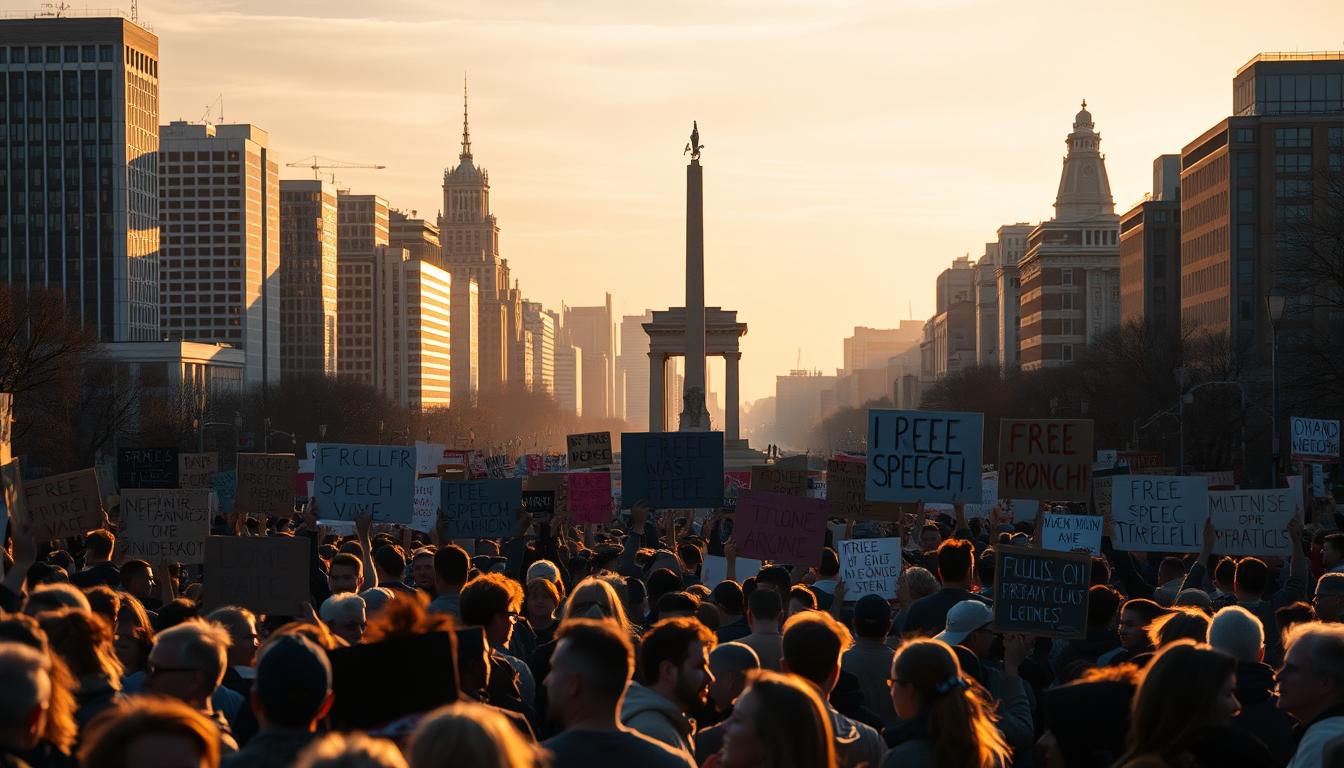
Free speech is key to sharing ideas, building connections, and driving change. It shapes decisions in schools, workplaces, and communities. Without it, we can’t question, learn, and grow together.
In today’s world, where info spreads fast online, free speech is more critical than ever. It’s about having honest talks, even when topics are hard or opinions differ. Your voice is part of what makes democracy strong.
Every voice counts, from town halls to social media. Protecting free speech helps us solve problems, respect differences, and move society forward. Let’s value the words we speak, write, and share today.
Understanding the Importance of Our Voices
Our voices are more than just words. They show who we are, our beliefs, and our feelings. Protecting our voices is not just about avoiding strain. It’s about keeping our connections strong.
Every time we talk, we shape our relationships and our sense of self. This is why voice protection is so important.
Studies from girlholdthephone.com show that small acts matter. A friendly hello or holding the door open can build trust and empathy. By protecting our voices, we keep them as tools for honesty and care, not just noise.
Remember a time when someone listened to you? That moment helped you feel understood. Voice protection means valuing the power of every voice to inspire, heal, or challenge.
It’s about respecting how voices shape our lives every day. This includes classrooms and workplaces.
Protecting our voices starts with listening. When we value others’ words and our right to be heard, we create communities where everyone’s voice counts. This simple truth turns everyday talks into chances for growth and connection.
The Risks of Silencing
Automated replies like “We’re sorry for the inconvenience” might seem nice. But they often hide real problems. When companies use these phrases to avoid talking about issues, they silence customers’ real concerns. This builds distrust and limits real conversations.

Technology also plays a part. Chatbots and algorithms aim to make things faster. But they can miss the human side of things. This turns personal stories into just data, hurting digital rights.
Dismissive language is common, not just in business. Online platforms that censor opinions or hide feedback can stifle creativity and debate. Without open spaces, people can’t share ideas freely, slowing down progress.
Protecting digital rights means fighting against these trends. Every time a platform ignores a user or a business uses empty phrases, it narrows the space for honest talk. True connection comes from listening, not just responding.
Imagine a world where your voice only matters if it fits a script. That’s the risk of silencing becoming the norm. Small actions, like taking the time to really listen, can change how we value each other’s voices.
How Voices Shape Communities
When someone speaks up at a town hall or shares ideas in a neighborhood group, they’re helping build stronger communities. Hearing voices makes people feel valued. This builds trust and teamwork, turning individual ideas into action.
For example, local clean-up campaigns often start with one person’s idea gaining support.
“A community’s strength lies in its willingness to listen and act.”
Community empowerment grows when everyone participates. Schools like Denver’s Green Valley Elementary host student-led meetings. Kids there voice concerns about safety or activities.
These discussions lead to changes that benefit all. Grassroots movements like Black Lives Matter began with individuals sharing stories. This sparked global action.
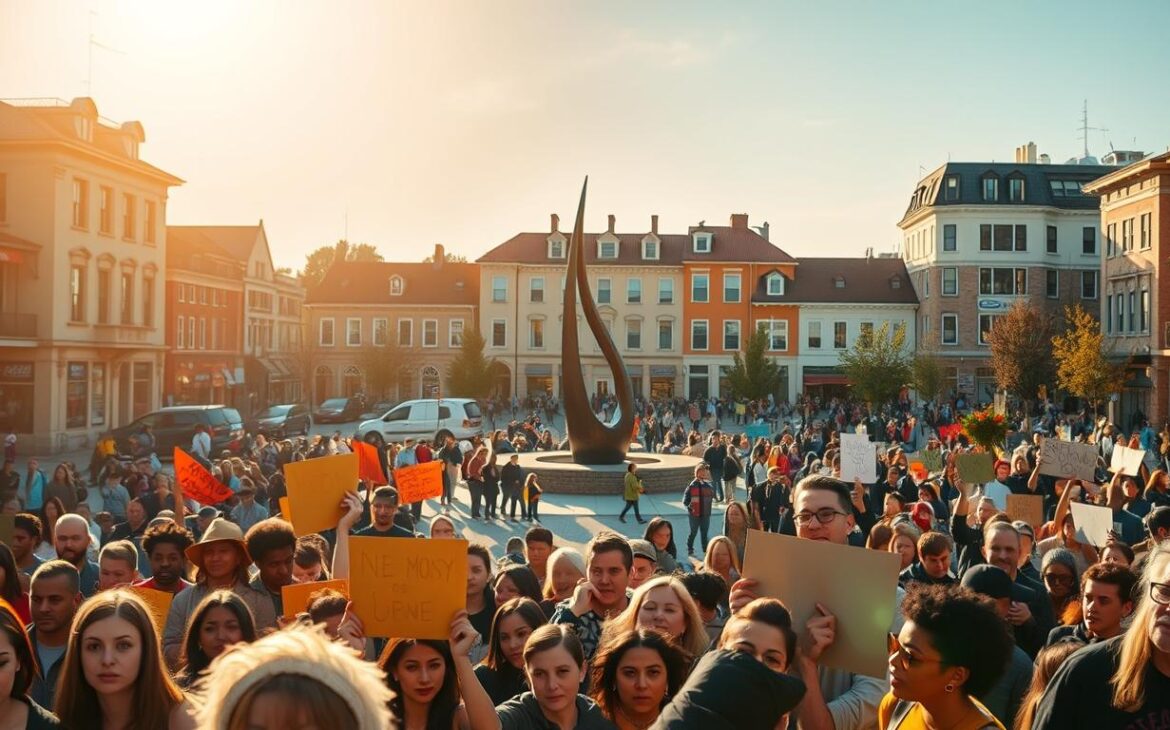
Protecting voices isn’t just about rights—it’s about ensuring no idea is ignored. When leaders listen to residents during city planning, parks get built where needed most. Local businesses thrive when customers’ feedback shapes services.
By speaking and listening, we turn small actions into lasting change. Your voice isn’t just yours—it’s a tool for everyone’s growth.
The Influence of Technology
Technology changes how we connect, making it easier to share ideas quickly. Social media and video calls help us reach out to others, giving a voice to those who were once ignored. But, there’s a downside: AI chatbots in customer service might focus on speed over real connection.
When algorithms look at how many people engage, real conversations can get lost. This is because they value data over genuine interaction.

AI chatbots are good at answering simple questions, but they struggle with complex ones. A 2023 study by the Center for Digital Ethics found that 68% of users felt unheard when they talked to AI. True responsible dialogue needs technology that works with human feelings, not against them.
Apps like Talkspace use AI to help users communicate better. They check the tone of messages to encourage respectful talks. This shows how tech can be used wisely to support real connections.
Smartphones and video tools help bring people’s voices to the world. But, if not used carefully, they can spread false information or silence different views. It’s up to developers to make sure their tools bring people together, not apart.
Voices in the Arts
Artists use their voices in many ways, like paint, music, and stories. They challenge the world with their creativity. From murals on city walls to poems in books, they use art to make a difference.
Musicians like Beyoncé highlight important issues with their music. Albums like Lemonade show the strength of Black womanhood. Painters like Banksy use street art to spark important conversations.
These artists show us that art is more than just decoration. It’s a way to reflect and speak out.
Writers like Maya Angelou and Toni Morrison changed literature with their powerful stories. Today, poets like Amanda Gorman inspire with words about hope and justice. Theater and film groups also share important stories, making us think differently.
“Art is not a mirror to reflect reality, but a hammer with which to shape it.” — Bertolt Brecht
Supporting creative voices is key to a better society. Galleries, streaming platforms, and schools that support diverse artists are important. When we listen to these voices, we open doors to empathy and progress.
Educating for Voice Protection
Teaching kids to value their voices starts with education. Schools and parents play a big role. They show kids how to speak up and listen.
Classes in public speaking or creative writing help. These voice protection education programs teach kids to share ideas respectfully. They learn to express themselves without fear of judgment.
Teachers use educational practices that mix empathy and critical thinking. They teach kids to speak their truth while respecting others. Workshops on active listening and group discussions build these skills.
Classrooms that encourage questions and curiosity are key. Lessons in history or literature show the power of words. This teaches kids how voices shape the world.
When education focuses on respect and clarity, it matters. It builds a society where everyone’s voice is heard.
Upholding Rights and Legislation
Strong laws protect our voices. The First Amendment in the U.S. Constitution guards free speech. But today, it faces new challenges.
Legal systems must keep up with technology. Laws alone aren’t enough without enforcement. Courts and policymakers must fight for these rights against censorship.
Debates over social media content moderation show policy gaps. Platforms have power, but users need clear rules. Transparency and accountability are essential.
Public campaigns can push for law updates. When communities demand change, governments listen. For example, Supreme Court rulings on protests show activism’s impact.
We all have a part to play. Learning about laws empowers us to ask for better policies. Legislators must hear citizens’ voices to create fair free speech protections.
Together, we can ensure voices aren’t silenced. Laws should reflect our values, giving everyone a chance to be heard.
Personal Responsibility in Voice Protection
Your voice is important, and taking care of it starts with you. Just like businesses focus on good customer service, you should care for your speaking and listening skills. Making small choices, like thinking before you react online, helps protect your true voice.
“Vulnerability is the birthplace of courage.” – Brené Brown
Listening actively is more than just sitting there. It means fully participating in talks, at work or at home. When we respect others’ voices, we also respect our own. Social media can spread our words fast, but real conversations need careful thought.
It’s okay to make mistakes, but owning up to them is key. This shows we value honesty and openness.
Begin today by avoiding harmful content and speaking up when ideas are ignored. Think about how your words affect others. Protecting your voice is a daily effort, not just a law. By choosing to uplift your voice and others’, we create places where honesty and empathy grow.
Conclusion: Taking Action Together
Every voice has the power to shape the world. Protecting voices means fighting for free speech and respectful dialogue. Laws like the First Amendment protect our rights, but lasting change starts with everyday actions.
Schools teaching communication skills and tech platforms promoting honesty play their part too.
Join local groups or back organizations like the ACLU defending open dialogue. Encourage lawmakers to strengthen speech protections while fostering responsibility. Share stories online or in community meetings—each effort builds a culture where diverse voices are heard.
Small steps, like listening actively or standing up for fairness, make a difference.
Together, we can create spaces where voices thrive. By acting now, we ensure future generations inherit a world where speaking up isn’t just allowed—it’s celebrated. Let’s keep working, speaking, and listening to build a society where every voice matters.