




























Self-discovery isn’t always easy. Sometimes it takes years to find the courage to say, “This is who I am.”
History shows people were silenced for speaking their truth. Devices like the scold’s bridle forced shame on those who dared to speak out. But today, my story flips that script.
My journey began when I stopped hiding. Every step toward authenticity felt like breaking chains. It wasn’t about fitting into old molds—it was about rewriting my own story.
Now I see self-discovery as a rebellion. It’s choosing truth over fear, one brave decision at a time.
Understanding Identity: The First Step to Acceptance
Knowing who you are is the first step to identity acceptance. It’s a journey of self-discovery. You learn your values and beliefs. Without clarity, acceptance seems far away.
Society often pushes people to fit certain molds. But, true growth happens when you accept your real self.
“To be yourself in a world that’s constantly trying to make you something else is the greatest accomplishment.” — Ralph Waldo Emerson
History shows how societies once punished those who didn’t fit in. They had strict rules and harsh penalties for not conforming. These practices limited individuality.
But, today, we see stories of people staying true to themselves despite challenges. They learn to name their feelings and experiences. This builds a strong foundation for embracing their identity.

Accepting your identity isn’t about being perfect. It’s about recognizing your worth beyond what society expects. By understanding your roots and values, you take charge of your story.
This understanding turns uncertainty into strength. It opens the way for true identity acceptance.
My Journey to Self-Discovery
My journey to self-awareness began in moments of uncertainty. As a child, I struggled with stammering, making conversations hard. But these struggles taught me my first lessons in personal growth.
Each stumble taught me to listen to my voice. It wasn’t just about the words I spoke. It was about the courage behind them.

Small steps were key. I started speech therapy and kept a journal. Slowly, I found clarity. I learned that personal growth isn’t about fixing flaws. It’s about finding strength in ourselves.
As I grew, I realized my voice wasn’t weak. It was a vital part of my story. Fear of judgment started to fade.
Brene Brown once said, “Vulnerability is the birthplace of courage.” Those words hit home. Admitting my struggles wasn’t failure. It was the first step towards change.
My progress wasn’t always smooth. I faced setbacks, but they changed my view. I learned that growth isn’t a goal. It’s about showing up, even when it’s tough.
Every misstep taught me something new. It nudged me closer to trusting myself. Today, I see my journey as a collection of small victories.
Each day, I choose to see the world in a new way. I honor my past and my future. That’s what personal growth is all about: the quiet, persistent work of becoming.
Embracing My True Self
Starting to be authentic is all about taking small steps. When I stopped hiding my stammer, I felt a huge relief. My words might stumble, but they’re mine. Being authentic is a choice we make every day, embracing our flaws.
“Fear fades when you stop comparing yourself to others.”
History is full of people who were once quiet but spoke up loudly. Think of activists who turned their vulnerability into strength. Authenticity isn’t about being perfect—it’s about being true. Brands like Nike show this by sharing real stories with their audience.
There’s always pressure to hide. But being authentic means ignoring that noise. My stammer reminded me that my voice is important, with all its flaws. When we stop letting others define us, their opinions lose power. Authenticity is about freedom, not hiding.
Choosing to be authentic means facing our fears with courage. It’s about sharing our stories without shame. When I spoke up, I inspired others to do the same. That’s the beauty of authenticity—it grows when we share it.
The Role of Language in Identity
Language shapes who we are. It’s more than just words—it reflects our values and history. In the past, tools like the scold’s bridle punished women for speaking freely. This language control took away their identity, showing how speech restrictions define power.
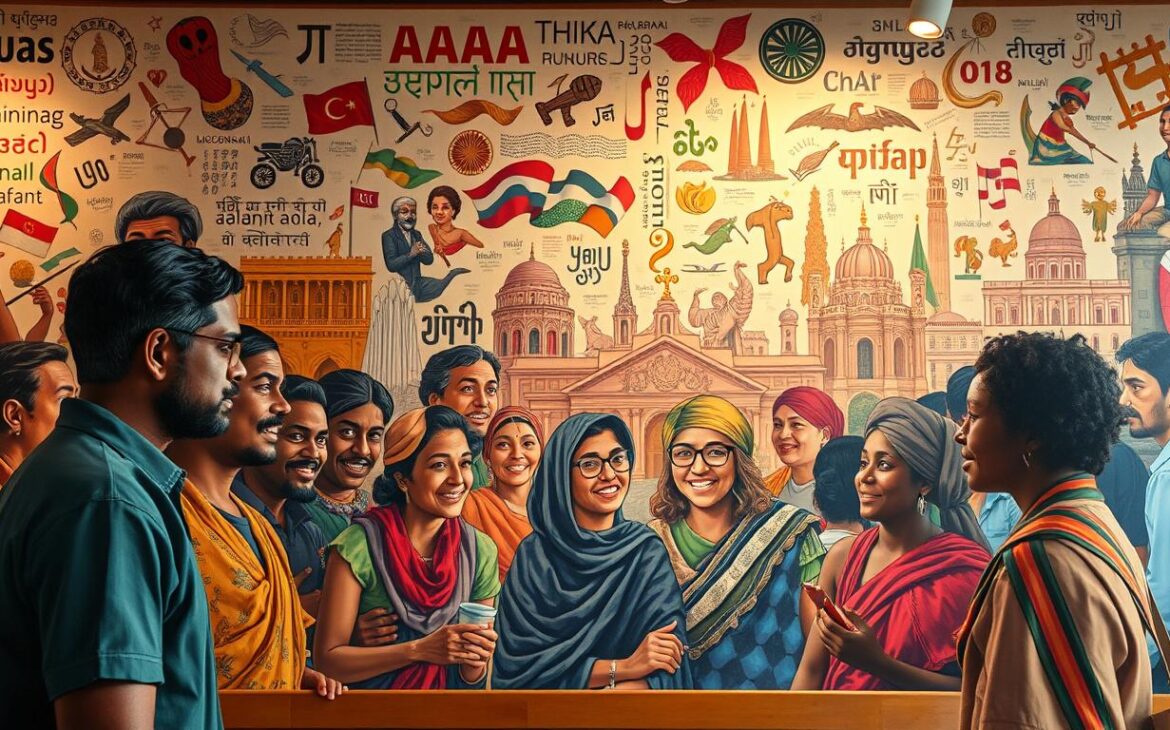
Personal struggles with stammering taught me this deeply. Struggling to speak clearly felt like losing a piece of myself. Yet, learning to embrace my voice became a reclaiming of identity.
Every stumble became a step toward authenticity. This shows how language isn’t just communication—it’s self-expression.
Words can build bridges or walls. When we name our experiences, we solidify our place in the world. Historically, marginalized groups have reshaped language to assert belonging, proving that language evolves with identity.
My journey mirrors this: finding my voice wasn’t just about speech—it was about ownership.
Challenges Along the Way
Every journey toward self-acceptance has bumps in the road. Societal expectations and personal doubts often collide, making overcoming challenges a daily practice. History shows how systems like punitive restraints silenced voices, while modern struggles like speech impediments cloud confidence.

Pressure to fit in can feel like a heavy weight. Some face judgment for who they are, while others battle internal fears that whisper they’re “not enough.” These hurdles aren’t unique—they’re part of a shared human experience. Even small steps, like speaking up or embracing differences, count as victories.
Take the example of public figures who stutter yet lead with courage. Their stories show how overcoming challenges reshapes self-perception. Communities that once enforced conformity now see growth when they listen to diverse voices. Progress starts when we acknowledge struggles without letting them define us.
Challenges don’t erase your worth. They’re obstacles to navigate, not walls to build. Every setback becomes a lesson in resilience. When you focus on moving forward, even slow progress lights the path toward authentic living.
Celebrating Diversity
For centuries, societies pushed for sameness, silencing unique voices. Today, the diversity celebration flips this. Pride parades and heritage months show how different views make culture richer and innovation grow.
Brands like Nike and Google lead by embracing inclusivity. They show that diverse teams are more creative. Every story, from art to activism, adds to our shared human experience.
“Difference must be embraced, not just endured,” as Audre Lorde urged. Her words remind us that diversity fuels progress.
When we celebrate our differences, we build bridges. Schools and workplaces celebrating diversity show us how small steps lead to big changes. The diversity celebration is more than a trend—it’s a shift to seeing strength in contrasts.
To keep this momentum, start by listening to unheard stories. Attend local festivals, join advocacy groups, or share your own story. Together, we can create a world where everyone’s identity is a source of pride, not division. True unity starts when we celebrate what makes us different.
Sharing My Story: Benefits and Risks
Sharing our struggles, like admitting a stammer or hidden shame, takes courage. But it’s a step towards deeper understanding. Vulnerability is the first step to connect with others.
Stories of stuttering teachers or those overcoming insecurities show the power of honesty. When we share our fears, we invite others to see their own truths. This openness builds trust and belonging, turning isolation into shared strength.
Risks exist: judgment, misunderstanding, or rejection. Yet, staying silent often feels heavier than facing these fears. Embracing true self means choosing authenticity over perfection, even when the path is uncertain.
Every shared story is a ripple. It says, “You’re not alone.” In this courage, we grow—not just as individuals, but as communities learning to listen and understand.
The Impact of Identity on Relationships
Being true to yourself changes how we connect. When you accept who you are, the relationship impact becomes clear. Being open can make bonds stronger, but it also tests trust.
Historical fights for recognition by marginalized groups show how identity changes social ties. Today, stories of honesty and empathy are common.
“Vulnerability is the birthplace of connection.” — Brené Brown
Sharing your truth can shake up old ways of relating. Family or friends might resist changes, fearing loss. But being brave and real can make bonds stronger.
Colleagues value authenticity, leading to better teamwork. Studies show that being open reduces misunderstandings, building trust over time.
But, challenges come when others aren’t ready for your growth. Yet, honesty is key to growth. Relationships grow when both sides are committed to understanding.
The relationship impact isn’t just personal—it’s a bridge to mutual respect. Celebrating differences, like in diverse workplaces, shows that being true creates stronger communities.
Looking Forward: Growth and Futures
Future growth starts with understanding ourselves. Every step we take to learn about our identity shapes our future. As society changes, so do the chances to embrace who we are and who we want to be.
Online forums and mentorship programs help share our lessons. They turn personal experiences into wisdom for all. This way, we can learn from each other’s journeys.
Resilience stories from TED Talks or workshops inspire us. They show how past challenges can lead to future success. Growth is about being true to ourselves, not being perfect.
Platforms like LinkedIn and nonprofit efforts show us the power of small actions. They inspire change for the better. Every day, we can set new goals and help others on their paths.
By embracing learning and teamwork, we can make a difference. Our unique identities can drive positive change. The path ahead is clear: moving forward, together, and with purpose.