

























Creative expression is more than just a hobby. It’s a way to connect with your inner self. The joy of creating just because is like a spark of freedom. Whether you sketch, write, or dance, making art for the love of it lifts your spirit.
Creative expression becomes a language of the heart when done for joy. Imagine painting without worrying about selling a piece. Or writing poetry just to feel the words flow. This is creative freedom at its best.
Artists and writers often say creating without pressure fuels their passion. The joy of creating just because turns moments into memories. It’s about the colors on the page, the rhythm in your hands, and the happiness of being alive.
Understanding the Concept of Creating for the Sake of Joy
Creating for joy isn’t about meeting deadlines or being perfect. It’s about letting your imagination run wild, without any pressure. Heart-centered creativity asks, “Does this feel right for me?” instead of “Will this impress others?”
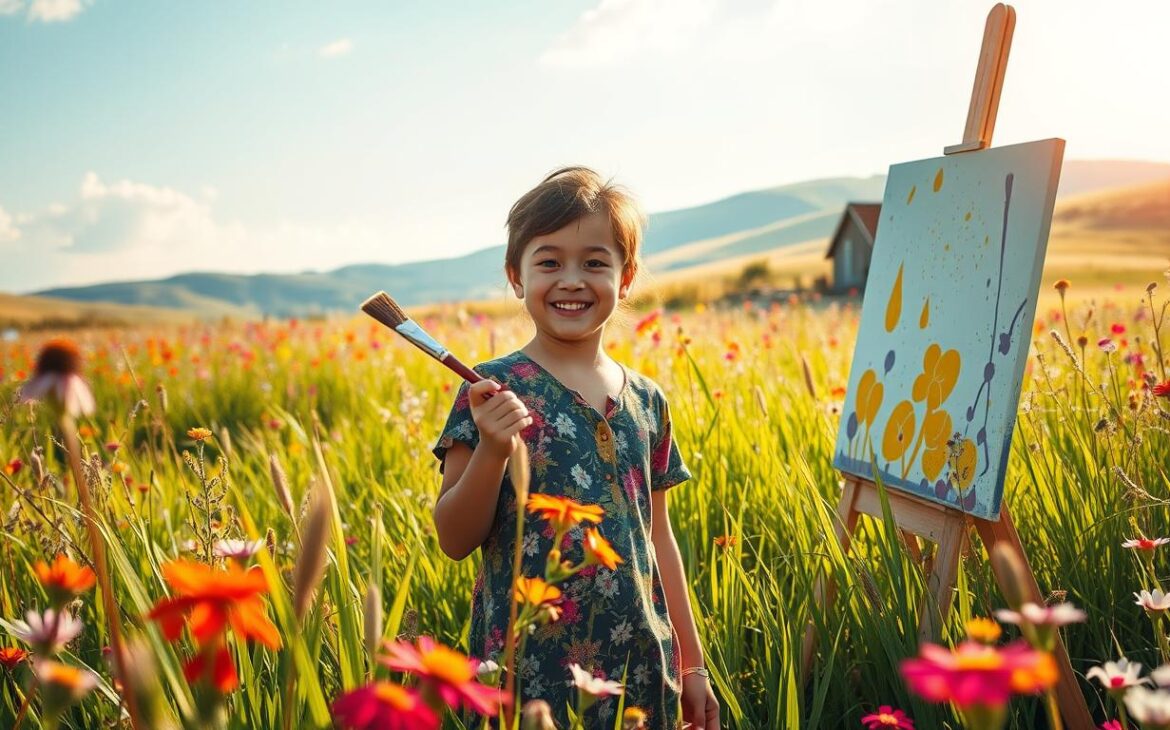
Traditional goals often focus on meeting external standards. But heart-centered creativity turns that around. It values curiosity over criticism. When you create just because it feels good, you connect with your true self. No judgment—just the joy of making.
Studies show this mindset makes us happier. Focusing on the process, not the product, lowers stress. Imagine dancing because it feels joyful, not to win a competition. That’s heart-centered creativity in action.
It’s simple: pick projects that excite you. Let go of “should” and choose “want.” The result? A deeper sense of fulfillment. Creativity becomes a language of the heart, not a chore.
Exploring Different Forms of Creative Expression
Creative expression isn’t just one thing. It includes painting, poetry, and more. Each art form lets you explore your imagination in unique ways. You can express yourself through brushstrokes, drumbeats, or words.
Artists and writers often try different things to stay inspired. They might draw, sculpt, or create digital designs. Music is also a way to express feelings, whether through playing an instrument or writing lyrics.
Trying new art forms can spark new passions. Writing might lead to pottery, while playing guitar could inspire songs. Online and local workshops offer chances to explore. Each new experience adds to your creative journey, showing how creative expression fits your style.
Dance, photography, and more all aim to express who you are. Let your curiosity lead the way. There’s no wrong start in the vast world of art. Your voice is meant to be heard.
The Benefits of Unstructured Creativity
Letting go of rigid plans unlocks the joy of creating without limits. Unstructured creativity lets your mind wander freely. It turns blank pages or empty canvases into spaces for pure expression. This way, art becomes a stress-relieving practice, not a task.
Research shows that structured goals can stifle spontaneity. Embracing benefits of freeform art opens doors to innovative ideas. Without deadlines or rules, your brain explores new patterns, sparking originality. Imagine sketching without a final image in mind—each stroke becomes a discovery.
Emotional freedom grows when creativity isn’t tied to outcomes. A study in the Journal of Art Therapy found that adults practicing unstructured art reported lower anxiety. The process itself becomes healing, turning stress into calm through simple acts like mixing paints or dancing without a routine.
Think of a child building a blanket fort—no blueprints, just imagination. That same freedom in adulthood fuels resilience and joy. Next time you create, try leaving plans behind. Let curiosity guide you, and watch how unstructured creativity transforms not just your art, but your mindset.
Letting Go of Perfectionism
“Perfect is the enemy of good.” – Voltaire
Perfectionism holds creativity back with fear. Letting go of perfection opens up space for growth. When you stop chasing flawless results, you free your mind to explore without fear of judgment.
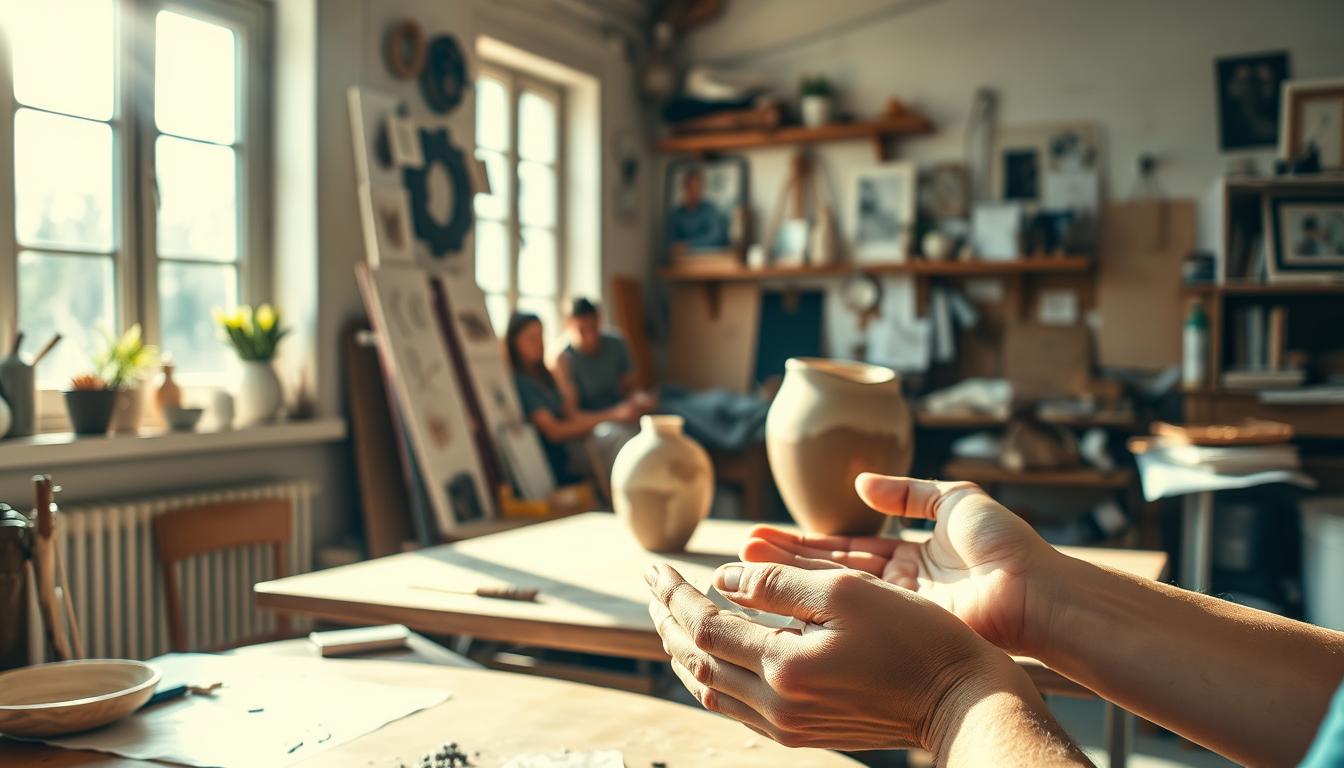
Many artists, from painters to writers, see imperfection as part of their craft. A clay pot with slight asymmetry has more character than one that’s perfectly made.
Mindful creativity is about the journey, not the end result. Pay attention to your hands shaping clay or words flowing onto a page. Each step is a move forward, not a final product.
Studies show perfectionism can slow down projects. On the other hand, mindful creativity reduces stress and increases happiness.
Start small. Sketch a line, then another. If it doesn’t turn out right, it’s okay. Japanese pottery celebrates “kintsugi,” using gold to repair cracks, turning flaws into beauty.
Your art, writing, or projects can flourish when you stop fearing mistakes. Share your half-finished poem or a messy sketch. Progress is more important than perfection.
Self-compassion fuels creativity. Instead of thinking “This must be perfect,” ask “What can I learn now?” Creativity grows when you let go of strict expectations. Every imperfection tells a story, not a failure.
Setting Up Your Creative Space
A creative space is more than a room—it’s where ideas come to life. Turn any corner of your home into a personalized studio by focusing on what sparks your creativity. Start with a clear workspace, like a desk near natural light. Keep supplies organized in drawers or shelves so you’re never searching mid-inspiration.
Think about your hobbies. A painter might need easels and storage for brushes, while a writer could prefer a cozy chair and notebook stack. Add items that spark joy: a favorite lamp, motivational posters, or a plant. Even a small nook can become your go-to spot.
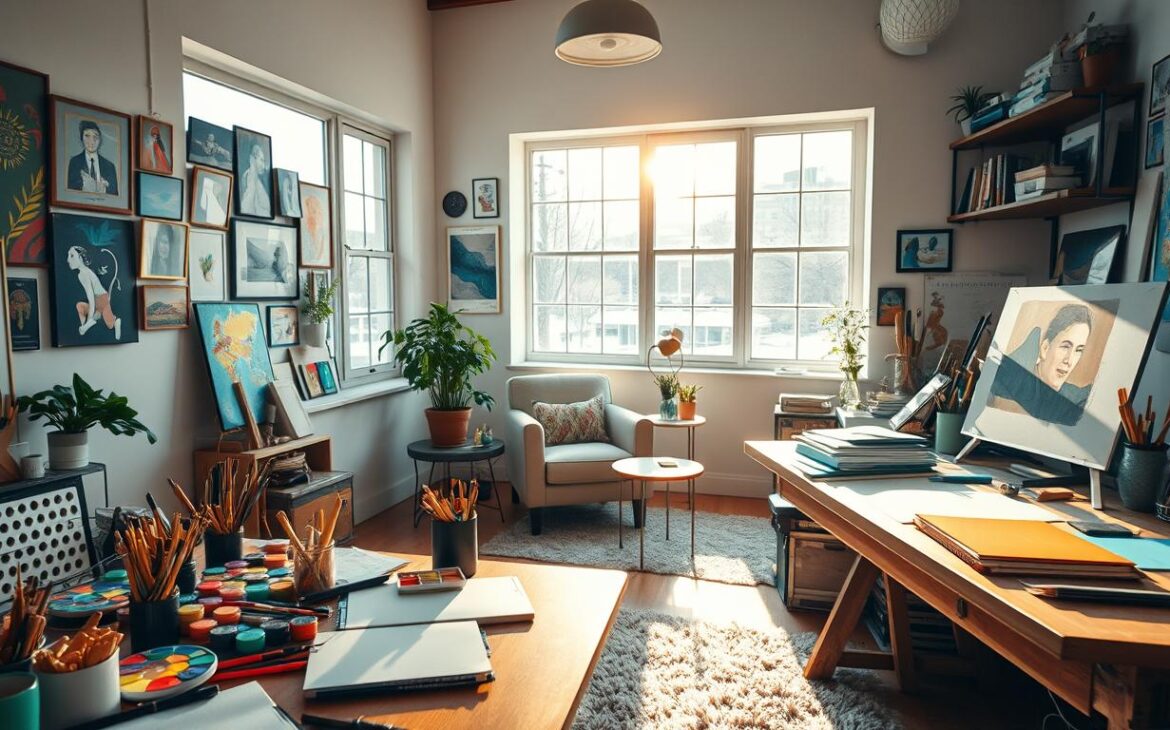
Declutter regularly. A tidy area helps calm the mind. Use bins or baskets to hide . Personal touches matter—hang a vision board or pin up inspiration. Tech tools? Maybe a tablet for research or a podcast speaker for background noise.
Lighting sets the mood. Soft lamps work for reading, while bright overhead lights suit detailed tasks. Test different setups to see what feels right. Your personalized studio grows with you. Adjust as your projects change. The key? Make it a place you love spending time in.
Overcoming Creative Blocks
Even the most inspired minds face moments when ideas stall. When overcoming creative blocks feels impossible, shifting your creative mindset can reignite progress. Start by visualizing success: picture yourself finishing a project or solving an artistic challenge. This mental rehearsal builds confidence and clarifies goals.
Embrace small, deliberate actions. Instead of waiting for inspiration, set a timer for 10 minutes and sketch, write, or brainstorm without judgment. Mindful planning breaks tasks into steps, reducing overwhelm. A painter stuck on a canvas might try mixing new colors first—action often sparks more ideas.
Doubt creeps in when we focus on perfection. Replace thoughts like “This isn’t good enough” with “What can I try next?” Carve out time for curiosity—explore unrelated hobbies or nature walks. A writer’s block might dissolve after photographing street art, sparking fresh perspectives.
“Creativity is a muscle; it needs exercise even on tough days,” says creativity coach Linda Tran. “Movement and mindfulness reset your brain’s flow.”
Maintaining a creative mindset means honoring progress over perfection. Journaling stuck points helps identify patterns. Share struggles with peers—online communities or local workshops offer support. Remember: every artist, from Picasso to modern designers, faced blocks. Their breakthroughs came from persistence, not waiting for “the right moment.”
Connecting with Others Through Shared Creativity
Creativity grows when we share it. Joining a community art group or workshop can make your ideas bigger. Activities like painting murals or writing stories together build strong bonds and spark new ideas.
“When we create together, we don’t just make art—we make friendships.”
Local shared creativity projects, like sculpture gardens or poetry slams, show how talents come together. Online, you can connect with artists from all over, working on projects that one person can’t do alone. These collaborations often lead to new and exciting ideas, showing that teamwork boosts creativity.
Many communities have free events where everyone can create together. Volunteering at an art night or joining a digital design group can connect you with supportive people. Sharing your work with others helps improve your skills through feedback and support.
Look for local galleries or social media groups focused on community art to find your place. Whether in person or online, these spaces show that creativity connects us, not isolates us.
Incorporating Creative Play into Daily Routines
Make every day an adventure with creative play. Start with small things: sketch in margins, change furniture, or try new recipes. These daily creative habits bring joy without needing a lot of time.
Try doodling during breaks, write with colorful pens, or turn household items into art. Creativity loves spontaneity—let curiosity lead. A coffee mug can be a canvas, and a walk can be a photo hunt. Small choices make a big difference, teaching us to love trying new things.
Make chores fun: dance while cooking, sing, or think of new uses for food. This turns routine into play. It’s not about being perfect; it’s about being consistent. Just ten minutes a day can make you more flexible, less stressed, and full of ideas.
Share your creations online—post a doodle on Instagram or swap recipes with friends. Every small step makes creativity a natural part of your life, not something you have to force.
Start today: choose one habit. Add a smiley to your list, rearrange your desk, or make up a silly song. Let curiosity guide you—play becomes a daily ritual that makes the ordinary extraordinary.
Celebrating Your Creative Journey
Your creative journey isn’t about finishing a masterpiece. It’s the small steps that count. Trying a new color, writing a line of poetry, or rearranging a room matters most. Every attempt to create adds to your story, and that’s worth celebrating.
Look back at where you started. A sketch from months ago might seem simple now, but it taught you something. Sharing your work or keeping a progress journal turns everyday creativity into a celebration of growth. Platforms like Instagram or local art fairs offer spaces to showcase even tiny victories.
Celebrating art isn’t just for final pieces. It’s in the joy of the process. When you make time to create, you’re honoring your imagination. Let go of waiting for “perfect” outcomes. The journey itself—the learning, the experiments, the moments of flow—is where the real magic happens.
Keep creating because it feels good. Whether you’re painting, writing, or building, your creative journey is unique. Share your progress, embrace mistakes, and let curiosity guide you. The world needs your voice, even in small steps. Your art matters, and celebrating it fuels more inspiration.