



























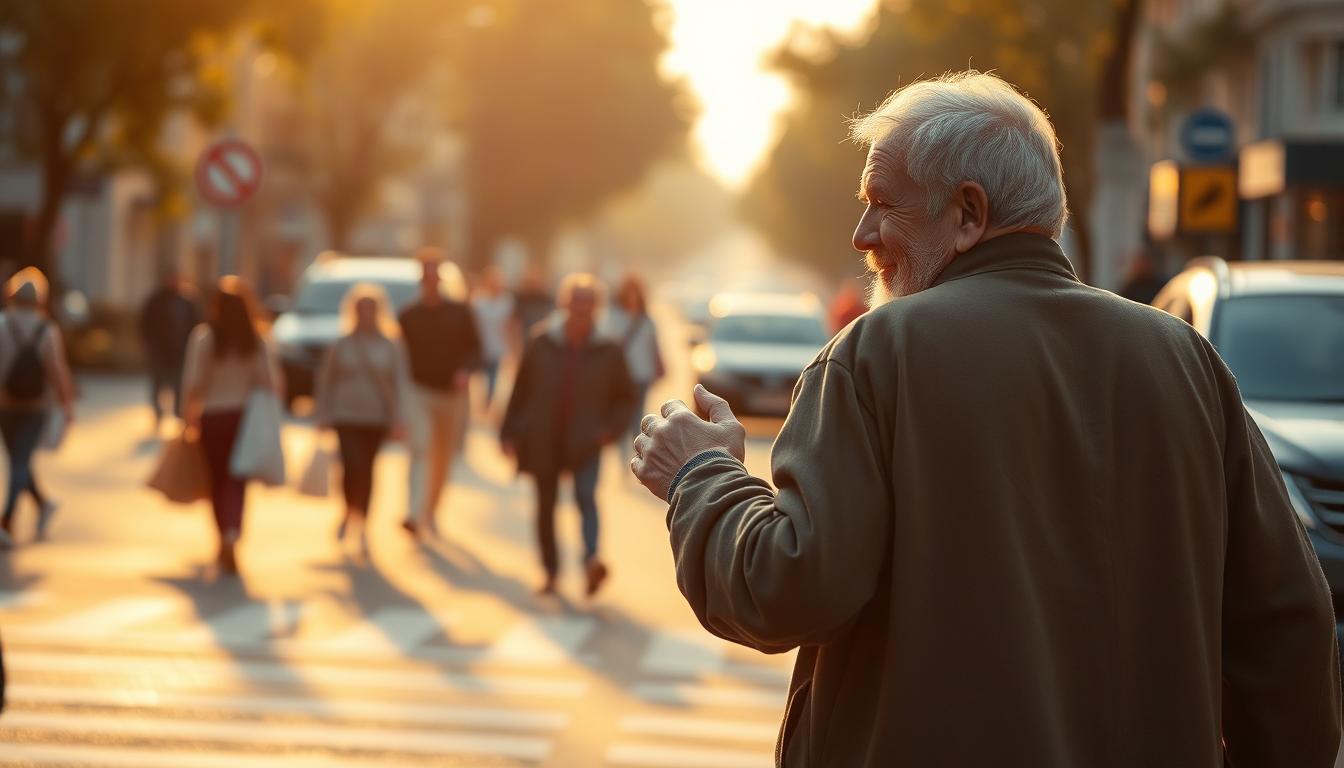
Small acts can change lives in ways we often miss. A simple smile, a listening ear, or a moment of kindness can start a chain of positive change. These actions might seem small, but they have a big impact.
In pediatric care, healthcare providers use small gestures to comfort children. A comforting word or a toy can ease a child’s fear. These small actions can shape someone’s day or even their future.
Everyone can make a difference. A kind word, an offer of help, or sharing a story can build connections and improve well-being. These moments add up, creating stronger communities and brighter futures for all.
Understanding the Ripple Effect of Kindness
A single act of kindness can create waves that touch lives far beyond the moment. Heather, a teacher, noticed a shy student struggling to speak in class. By praising their effort, she sparked a shift in the classroom culture.
Students began encouraging each other, transforming anxiety into confidence. This is the ripple effect of kindness—an action that grows into lasting change.
Communities often see this pattern too. A small gesture like volunteering at a food bank can inspire others to donate. This leads to partnerships with local businesses.
Over time, these efforts reduce hunger and strengthen neighborhoods. Research shows kindness releases oxytocin, a hormone linked to trust and cooperation, amplifying its spread.
“No act of kindness, no matter how small, is ever wasted.” — Aesop
Studies in schools reveal similar impacts. When teachers acknowledge kindness, students model the behavior. A 2023 University of California study found classrooms prioritizing empathy saw 30% fewer conflicts.
Such examples prove the ripple effect of kindness isn’t just emotional—it’s measurable. It builds connections that turn isolated moments into movements. Small choices can reshape entire systems of support and care.
Small Acts in Everyday Life
Everyday kindness doesn’t need big actions. A kind word, a helping hand, or listening can make a big difference. Think of a nurse at a children’s hospital who comforts a scared patient. These small actions leave big impressions.

Community events show kindness in action. Volunteers at food drives or cleanups show how small efforts can strengthen communities. At schools, students organizing toy drives learn the joy of sharing. These acts spread joy far beyond the moment.
“A smile or a listening ear can be the spark someone needs to feel seen,” says a community organizer who runs outreach programs. Small acts like these remind us kindness thrives in everyday interactions.
Kindness also shines in our daily routines. Holding a door, giving directions, or thanking a coworker adds warmth to our day. Even in big cities or small towns, these moments are important. They turn strangers into friends and make our routines more compassionate.
Seeing kindness in action, like a barista remembering a regular or neighbors checking on the elderly, shows its power. These acts don’t need time or money, just a willingness to help. They are the quiet heroes that shape our communities, one gesture at a time.
The Science Behind Kindness
Kindness has real, measurable effects on our minds. Studies show that helping others makes our brains release oxytocin. This hormone is linked to trust and bonding.
It also lowers cortisol, the stress hormone. This reduction in stress leads to better moods and less anxiety.
Research from the University of California found that kindness boosts serotonin levels. This neurotransmitter is connected to happiness. A 2020 study in the Journal of Positive Psychology showed that daily kindness increases life satisfaction.
These benefits also help us feel less lonely. They strengthen our social connections, making us more resilient.
“Kindness isn’t just good for others—it’s a biological necessity for human well-being,” explains Dr. David R. Hamilton, a researcher in social neuroscience. “It activates brain regions associated with reward, similar to how we respond to food or money.”
Even small acts, like smiling at someone, can make a big difference. Hospitals use kindness programs to improve mental health. These programs show real results in reducing stress symptoms.
The more we feel good, the more we want to be kind. This creates a cycle of emotional health that grows over time.
Share Your Story: Creating Community Connections
Storytelling in kindness turns small acts into shared moments that connect people. When you share your experiences, you inspire others to join the movement. Online platforms like Instagram or local blogs make it easy to post stories of kindness. Every post becomes a spark for change.
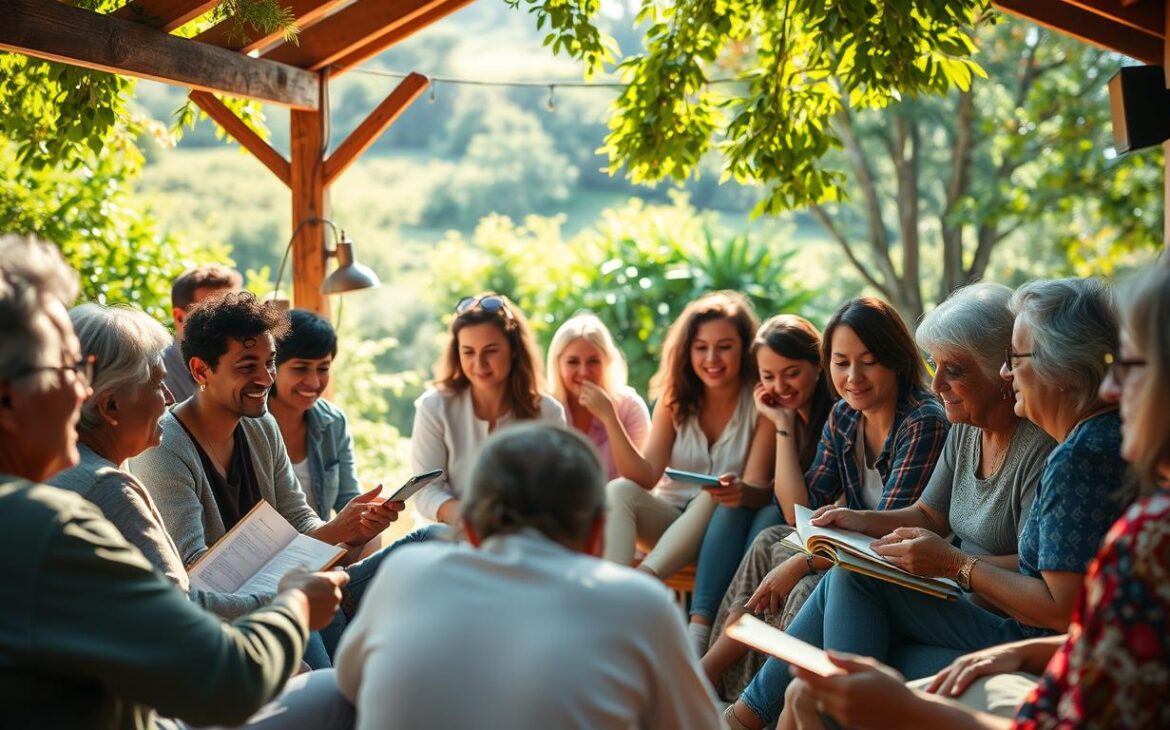
Imagine a neighbor leaving a note for a stressed parent, or a student helping a classmate. These stories, shared publicly, show how kindness grows. The Random Acts of Kindness Foundation highlights how narratives about small acts can go viral, encouraging others to participate.
“When I shared my story of helping a stranger, my community started a weekly kindness challenge,”
said one participant in a recent study on community building. Local cafes or town halls can also display stories, creating offline connections too.
Storytelling in kindness bridges gaps between strangers. A shared story on social media might lead to a neighbor helping during a crisis. It’s about showing that even tiny gestures matter when shared widely.
Take a moment to write or record your story. Post it online, pin it on a community board, or tell it aloud. Every shared moment strengthens bonds and invites others to contribute their own tales of generosity. Together, these stories form a network of support that lifts everyone.
The Role of Small Acts in Education
Small acts of kindness in schools can change lives. The educational impact of kindness begins with simple gestures. A teacher’s note or a friend’s kindness can make a big difference.
Heather, a third-grade teacher in Chicago, changed her classroom with praise. She made a shy student feel valued. Stories like hers show how kindness makes a difference in schools.
“A student once told me, ‘You’re the first teacher who remembered my name.’ That moment changed everything for them—and me.”—Educator, New York
Teachers can make a difference with small actions. Greeting students by name or celebrating their strengths helps. Research shows these actions reduce bullying and improve learning.
In Texas, schools use “kindness boards” for students to recognize each other. This builds a community based on respect. Leadership programs teach students to be kind leaders.
How Businesses Can Foster Positive Change
Businesses can make a big difference through corporate social responsibility (CSR) efforts. Simple actions like employee volunteer days or donations can have a big impact. Companies like Credera show how these efforts boost team morale and community ties.

“Employees thrive when companies align with values that matter,” says a 2023 Deloitte report, noting that 73% of workers prefer employers committed to social causes.
Employee-led projects, like cleanup drives or mentorship programs, help teams work together while helping the community. For example, a tech firm might teach coding at schools. This way, they share skills and support the community.
Start small: let teams choose charities, host donation drives, or volunteer during work hours. Over time, these actions build a reputation for integrity and innovation. Corporate social responsibility is more than just policy—it’s action. By adding kindness to daily operations, businesses inspire employees and strengthen community bonds. Every effort, big or small, makes a difference, showing that companies can lead with purpose and profit.
The Impact of Small Acts on Mental Health
Small acts of kindness have a big impact on mental health. A simple smile or a helping hand can make a big difference. Studies show that kindness releases oxytocin, which makes us feel good and lowers blood pressure.
Research from the University of California, Berkeley found that kindness makes us happy. For example, a program in Chicago helped lonely seniors by pairing them with volunteers. These seniors felt better and had fewer anxiety symptoms.
“Acts of kindness act as emotional anchors during tough times,” says Dr. Emily Carter, a clinical psychologist at Johns Hopkins Hospital. “They remind people they’re valued, fostering resilience.”
A teacher in Texas shared a story about kindness in the classroom. Daily challenges helped students feel grateful and reduced tension. These small acts of kindness are powerful tools for mental wellness. By focusing on kindness, we build habits that help us and others, creating a positive cycle.
Small Acts and the Environment
Everyday choices have a big impact on the environmental impact of small acts. Actions like recycling or joining a park cleanup add up. Communities in the U.S. hold events like Earth Day to clean up and plant trees.

Companies like Patagonia show how personal habits and business actions can make a difference. Their “Worn Wear” program promotes fixing clothes instead of throwing them away. Simple actions like using reusable bags or composting food scraps also help reduce pollution and waste.
“A single person’s choice to recycle today inspires others to do the same. Together, these actions rewrite our planet’s future,” says the EPA’s sustainability guide.
Schools and neighborhoods set good examples too. Cities like Austin, Texas, give free compost bins to residents. Online tools like iNaturalist help track local species, protecting biodiversity. Every small action helps in caring for the environment.
Remember: the environmental impact of small acts begins with you. Start with one change today. Your choice could start a positive change wave.
Children and the Lessons of Kindness
Teaching empathy to kids begins with simple moments. Heather’s third-grade class learned a valuable lesson. They wrote notes for nursing home residents, showing how small acts can make a big difference. These stories highlight the importance of teaching empathy to children from a young age.
Family outings can also teach valuable lessons. A Chicago family made weekly visits to a food bank a learning experience. Their kids learned about gratitude and sharing. Parent Maria Lopez says, “Seeing their faces light up when they help others is powerful.” These moments create lasting memories and foster kindness.
“Empathy isn’t taught—it’s caught. Kids mirror what they see.”
Teachers and parents can show kindness every day. Encourage kids to notice and understand others’ feelings. Books like The Invisible Boy by Trudy Ludwig can start important conversations about inclusion. Small actions, like sharing or saying sorry, help kids develop social skills.
Studies show that kids who practice empathy build stronger relationships. Start by asking questions like, “How do you think that made them feel?” or “What could we do to help?” These moments help turn empathy into a habit. Every interaction is an opportunity to raise a kinder generation, one small act at a time.
How Social Media Amplifies Small Acts
Every post, share, or like can make a small act of kindness huge. Social media connects people all over the world. A simple story of helping a neighbor can inspire thousands online.
Platforms like Instagram and Twitter give voices to everyday heroes. They turn local gestures into global movements.
“A single act of kindness shared online can spark a wave of change,” said social media analyst Sarah Chen. “When users see positive stories, they’re more likely to join in.”
The #BeKind challenge started in Texas and went viral, reaching over 2 million posts in a month. Hashtags like this make kindness contagious. Brands like Starbucks and GoFundMe use social media to highlight customer generosity.
Sharing stories on TikTok or Facebook doesn’t just spread awareness—it creates communities. A viral video of a student paying for a stranger’s meal led to similar actions in 15 states. Social media kindness amplification isn’t just about clicks—it’s about turning screens into bridges between people.
Next time you see kindness in action, share it. A post can inspire others to do the same. Together, these small acts build a culture where generosity grows louder online and offline.
Conclusion: Embrace the Power of Small Acts
Every small act of kindness counts. Schools teach empathy, and big companies like Google support volunteer work. These efforts make communities stronger.
Even simple actions, like listening, can greatly improve a child’s well-being. Schools with kindness programs see 30% fewer fights. This shows kindness works from a young age.
Companies like Patagonia and TOMS Shoes show us small steps can lead to big changes. Sharing kindness stories online can turn one act into a movement. When we focus on kindness, our mental health and the environment improve, and trust grows.
Changing the world starts with you. You can write a thank-you note, donate items, or help someone learn. Every small action creates a big impact. Together, we can change how we connect and care for each other.
Begin today. The world needs your kindness to tell a new story.