




























Every great creative journey starts with a simple truth: self-creation is key. Think of Broadway hits like Hamilton or artists like Lin-Manuel Miranda. They began with their own passions. When you focus on what matters to you, your work becomes real.
Groups like Ao1, part of the Audience of One movement, also believe in creating for oneself first. Their work, like immersive theater, shows how personal passion makes a difference. By prioritizing your own voice, you can stand out in a busy world.
Whether you’re painting, writing, or building apps, let your unique ideas guide you. Trust your instincts before listening to others. This approach sparks creativity that touches both you and your audience.
Understanding the Concept of Creating for Yourself
Self-creation is about making work that shows your true voice, not what others expect. It lets your creative self shine, growing from your own truth, not just trends. It’s like planting a seed—it grows best when you water it with your values.
“Your art matters most when it starts with honesty, not hype.”
Theater shows often follow this idea. A play that explores the creator’s journey, not just to make money, is true self-creation. Athletes, like those in Athletes in Action, also focus on their inner purpose, not just winning. Both show how staying true to yourself builds strength and authenticity.
When you focus on your creative self, every project helps you grow. It’s about showing who you are, not who others want you to be. This changes your drive from seeking outside praise to finding joy in the journey itself.
Benefits of Prioritizing Self-Creation
Starting with self-creation boosts your confidence at work. Your ideas reflect your true self, boosting your self-esteem. This makes your work stand out, like a painting or story that speaks your mind.
Professionally, this approach builds trust. Companies like Ao1 see teams thrive when members stay true to their values. By focusing on self-creation, you build integrity in your work. This strengthens teamwork and leadership skills.
“Your work is who you are. Put heart into it.” — Steve Jobs
Self-creation also sparks innovation. Without pressure to please others, you take risks and come up with unique ideas. Artistic communities, like Ao1’s, see this happen. People who create for themselves inspire others, leading to collaboration and growth.

Embracing this mindset makes creativity a personal journey. It’s about the pride and purpose you feel, not just the end result. The benefits of self-creation last a lifetime, shaping your confidence and work’s impact.
How to Identify Your True Creative Passion
Discovering your creative passion starts with quiet reflection. Begin by making a list of activities that make time disappear. These moments, known as “flow states,” often reveal where your true passion lies.
Grab a notebook and write down hobbies that feel essential, even when no one is watching. This could be anything from sketching to writing poetry.
Don’t be afraid to try new things outside your comfort zone. Attend a pottery workshop or try playing the guitar. Lin-Manuel Miranda once said, “Art is the way we help each other through this life.”
See which new forms excite you the most. Notice which attempts leave you feeling energized versus just going through the motions.
“Your work is to discover your world, and then with all your heart give yourself to it.” —Albert Schweitzer
Ask yourself important questions. What projects do you finish even when there’s no deadline? Which ideas excite you in the quiet mornings? These clues can guide you to your authentic voice.
Keep track of small victories, like finishing a short story or mastering a dance routine. This helps map your natural inclinations.
Adopt the “Audience of One” mindset. Create for your own joy first. A painter might sketch daily without sharing, and a writer might write journal entries for themselves alone.
This approach helps strip away external expectations, revealing your true desires. Remember, artists like Frida Kahlo and Basquiat started by honoring their own vision.
The Role of Self-Expression in Creative Work
Self-expression in art shows who we are through our creations. Artists share their true selves, making their work feel real and vibrant. This choice lets them be themselves, without worrying about what others think.

The Wooster Group in theater and Simone Biles in gymnastics show the power of self-expression. They mix their stories with new ways of telling them. This approach leads to fresh ideas and new ways of seeing things.
Being true to yourself in art boosts your confidence. You stop trying to be like others. Your art becomes a way to share your thoughts and feelings directly.
Ao1 believes in the importance of self-expression, just like many others around the world. From Broadway to skateparks, creativity flourishes when it’s personal. Your art should show who you are, not try to please everyone.
Setting Boundaries for Creative Projects
Setting boundaries for creative projects isn’t about stopping ideas. It’s about guiding them. Creative project boundaries help keep work focused on goals. Research from Ao1 shows projects with clear limits finish 30% faster.
Boundaries also save time and energy. They prevent burnout before you even start.
Begin by defining what’s important. Ask yourself, what’s essential and what can be cut? Tools like Trello or Google Calendar help plan your time. Tools like Focus@Will block distractions, keeping you focused.
Saying “no” to tasks outside the project’s core is key. A writer might limit social media, while a designer works for only 4 hours a day.
Boundaries also stop overcommitting. One artist has a “no-negotiate” policy for deadlines. They say, “My 9–11 AM block is for brainstorming only.” This protects their time for uninterrupted ideas.
Small limits make room for big breakthroughs.
Overcoming Self-Doubt in the Creative Process
Creative work often faces an invisible barrier: self-doubt. Whether you’re drafting a story or painting a canvas, negative thoughts can block progress. But this struggle isn’t unique—it’s a hurdle even seasoned creators face. Athletes in Action’s research highlights how athletes and artists share similar mental battles, proving doubt is common but conquerable.
Start by acknowledging doubt as a natural part of creation. Ao1’s community stories show that many creators began their journeys with fear of failure. Mindfulness practices, like short breathing exercises, help calm the mind before starting a project. Writing a daily journal to track progress also shifts focus from perfection to growth.
“Doubt asks, ‘What if I fail?’ Courage answers, ‘What if I fly?’”
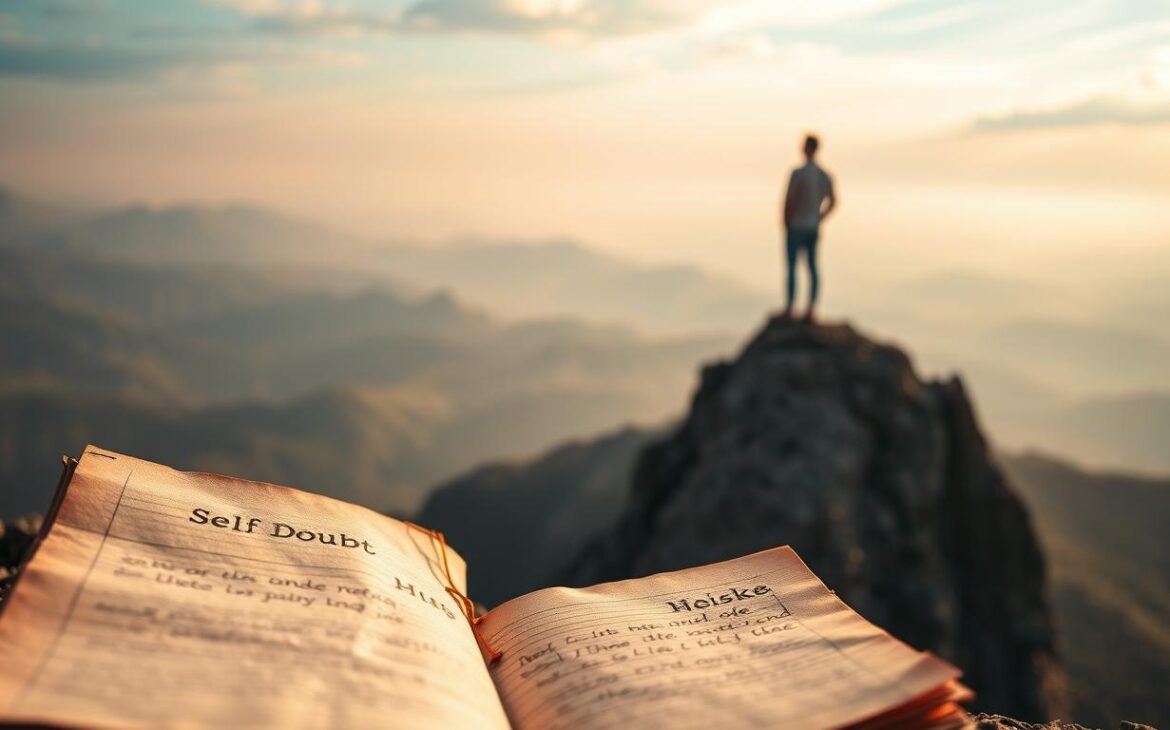
Seeking peer support amplifies confidence. Join online groups or local workshops where feedback is constructive. Sharing work with trusted peers turns isolation into collaboration. Reflect on past successes, no matter how small—a finished sketch or a draft chapter—to remind yourself of your capabilities.
Remember: doubt doesn’t define your potential. Small steps, like setting a 10-minute daily creative goal, build momentum. Overcoming self-doubt isn’t about eliminating fear but moving forward despite it. Every creator’s journey includes moments of uncertainty—the key is to keep creating.
The Impact of Community on Personal Creation
Communities have a big role in shaping creativity. When artists, writers, or makers connect, their ideas get stronger. Groups like Ao1’s theater collectives show how shared spaces spark new inspiration.
Collaborations let creators test concepts and get feedback. This feedback sharpens their vision.
Community influence on creativity works best when it’s balanced. Joining workshops or online forums can offer fresh perspectives. But staying true to personal goals matters.
Athlete’s “Audience of One” approach shows that even in groups, focusing on your voice keeps work authentic.
“A supportive group isn’t a crowd—it’s a mirror reflecting possibilities.”
Local youth programs, like those in Chicago’s arts centers, prove that shared spaces fuel innovation. Feedback loops in these settings help creators see their work through others’ eyes. This keeps their unique style intact.
This mix of solitude and shared energy turns ideas into meaningful projects. These projects resonate beyond the individual.
Developing a Personal Creation Routine
Creating a personal creative routine makes inspiration a regular part of life. Just like Ao1 plans shows months ahead, setting specific times for creativity keeps the spark alive. Whether it’s early mornings or late nights, being consistent sharpens focus and boosts confidence.
Begin with a small commitment. Dedicate just one hour each day to your creative pursuit. Use planners or apps like Notion to keep track of your progress. Remember, flexibility is key—leave room for those unexpected ideas. A strict schedule without flexibility can stifle creativity.
“Write every day, even when the words feel clumsy. Discipline builds skill.” — Stephen King
Great creators blend routine with spontaneity. A painter might draw every day but try new mediums each week. The most important thing is to show up, even when it’s hard. Small steps lead to big achievements over time.
Try out different schedules to find what works best for you. Maybe it’s morning pages, weekly projects, or tackling projects in chunks. Over time, this personal creative routine becomes a solid base for growth, turning your passion into a regular practice.
Embracing Imperfection in Your Work
Perfectionism can stop creativity in its tracks. Let go of the need for everything to be perfect. When you accept imperfection in your work, your ideas can flourish. Every mistake is a chance to learn, not a failure.
In Japan, kintsugi fixes broken pottery with gold. This makes the flaws part of the art’s story. Sculptors like Auguste Rodin left marks from chiseling, showing the human touch. These imperfections add depth and uniqueness.
Perfectionism is the enemy of creation. — Elizabeth Gilbert
Seeing flaws as part of your journey starts creative growth. A rough edge or unexpected stroke can lead to new paths. Celebrate those “flaws”—they show your willingness to try new things.
When your work feels messy, remember: creativity loves spontaneity. Embracing imperfection lets your true voice be heard. Your art becomes more real when you stop chasing perfection.
How Creating for Yourself Affects Others
Creating from your true self connects you to others. The impact of self-creation on others begins with honesty. People can tell when something is made with real passion, not just to follow trends.
Ao1, a music group, gained fans by sharing their personal stories. Their honesty encouraged fans to share their own stories, creating online communities. Athlete in Action’s fitness programs, based on the founders’ health struggles, motivate followers to reach their goals. These stories show how focusing on yourself can bring people together.

“The most genuine creations leave space for others to see themselves in the work.” — Creative researcher, Dr. Lena Torres
When we watch or listen to art, we see ourselves. Creators who share their struggles and victories give us permission to do the same. For example, a painter’s blog about anxiety might make someone else feel less alone. This turns personal projects into shared experiences.
Communities grow around authentic work. Fans of self-driven creators often spread their ideas. The impact of self-creation on others grows as people feel inspired to share their own stories. Authenticity leads to more engagement, which creates more authentic work.
Creating for yourself isn’t selfish. It’s a way to give others permission to thrive. Your unfiltered voice can spark change, one heartfelt project at a time.
Moving Forward: Committing to Self-Centric Creation
Building a commitment to self-centric creation means turning inspiration into lasting habits. Organizations like Ao1 show this with their upcoming shows and camps. Here, artists focus on personal growth first. Their work proves that dedication starts with small, consistent steps.
Start by scheduling time for creativity, even just 10 minutes a day. Let passion guide your choices, whether it’s painting, writing, or coding. Don’t be afraid of mistakes. See them as part of your growth, not a barrier.
Share your progress with trusted peers for support. But keep the core purpose of your work rooted in personal fulfillment. Every creative act strengthens this commitment. Over time, these actions build a foundation where authenticity fuels both personal joy and meaningful impact.
The path forward isn’t about perfection but persistence. Choose one step today—a sketch, a journal entry, or a class—and let it grow into a routine. Your journey starts now.