




























Creative vulnerability is key to every bold idea. Artists, writers, and innovators share unfinished work, facing criticism. Cal Newport’s exercises show how stepping into uncertainty can spark discoveries.
Fear of judgment often stops people. Doubts like “Is this good enough?” can limit creativity. But embracing these risks can lead to authentic expression.
Think about your last creative project. Did hesitation hold you back? Exploring this tension shows vulnerability is not weakness—it’s the raw material of innovation.
Understanding Creativity and Its Vulnerabilities
Creativity is more than just coming up with ideas. It’s about being brave enough to explore the unknown. When we break free from our routines, we open up to new possibilities. Cal Newport’s research shows that strict schedules can block our creativity.
His studies found that too much structure can limit our ability to think outside the box. To really spark creativity, try to cut back on fixed routines. Allowing your mind to roam freely can lead to groundbreaking ideas.
“The mind’s best ideas emerge when freed from constant structure,” argues Newport, urging creators to embrace uncharted paths.
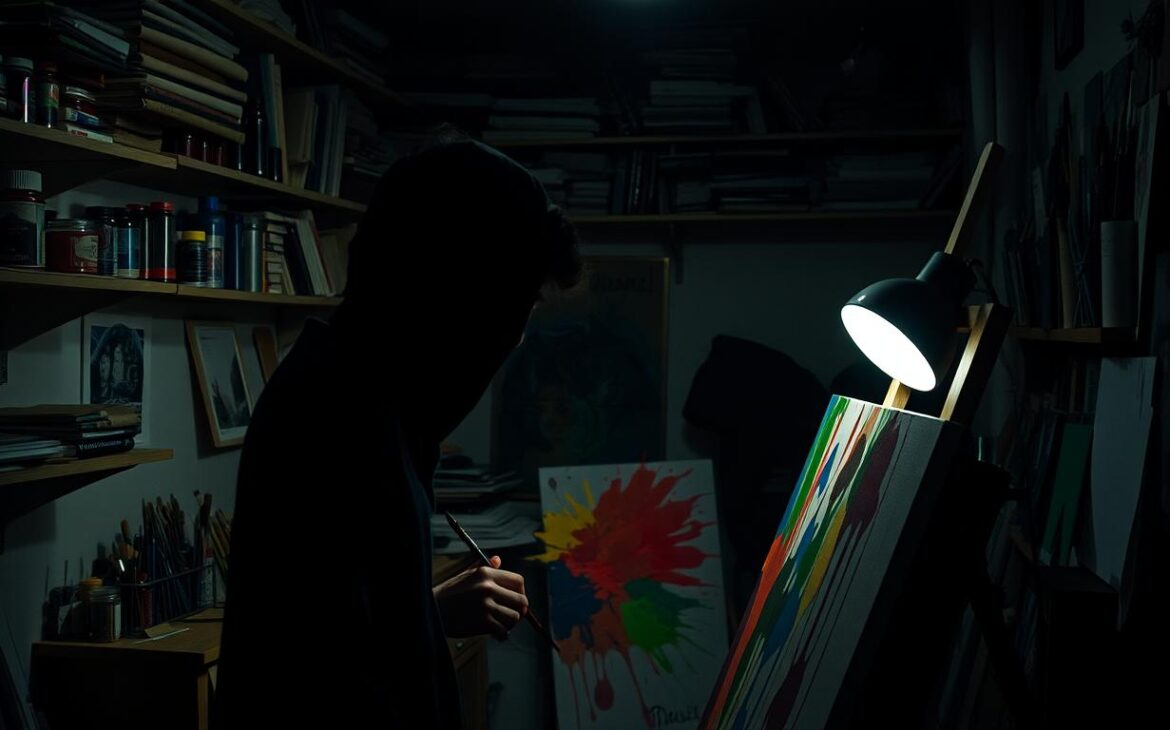
Authentic creativity often blooms in chaotic, unplanned settings. Many artists and writers have found their best work in unexpected moments. But fear of what others might think can hold us back.
Embracing our imperfections is essential. Newport’s research supports this—time spent exploring freely leads to more innovative ideas. Authentic creativity is about being true to ourselves, not about achieving perfection. It’s in these raw, unfiltered moments that true innovation begins.
By letting go of control, we unlock the full power of authentic creativity.
The Role of Vulnerability in Creative Expression
Art thrives when creators are open and honest. Sharing deep feelings or new ideas can make uncertainty a strength. Cal Newport’s exercises, like timed brainstorming, help artists explore freely.
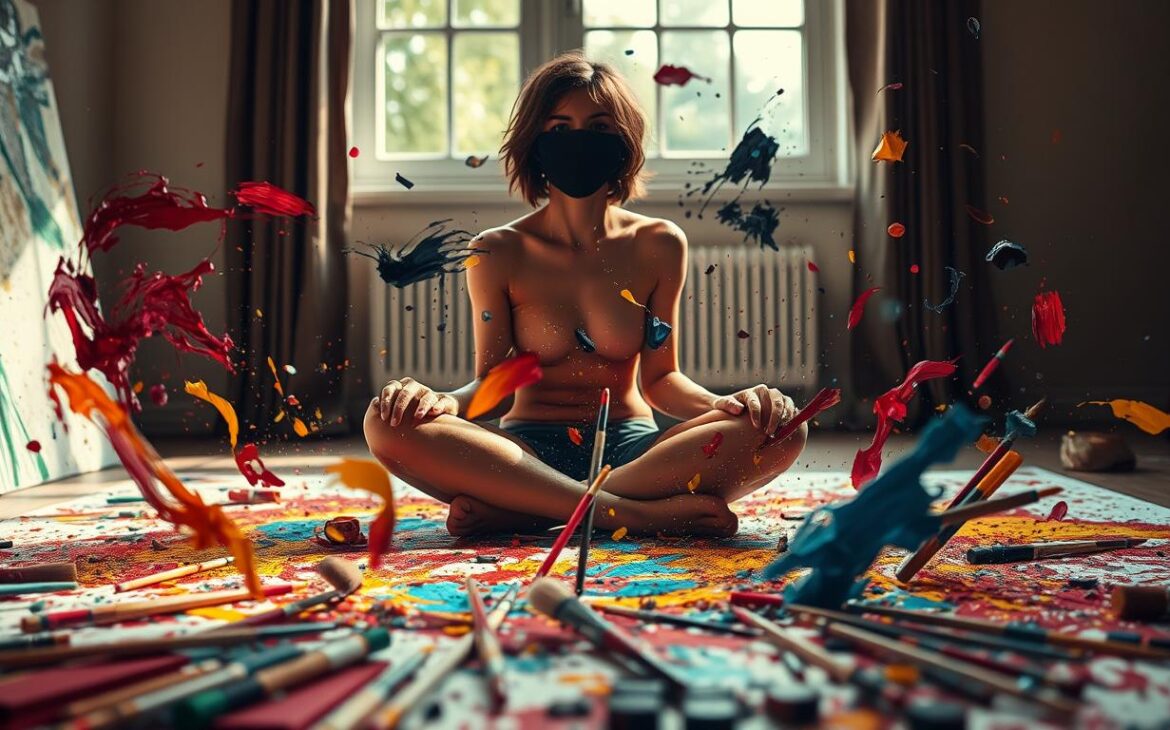
Think of a painter trying new strokes or a writer writing from the heart. Each step shows vulnerability but also connects us deeper. Newport says taking risks, like sharing unfinished ideas, can lead to new inspiration. This openness makes art more real and relatable.
Artists who are open often find their best work comes from these moments. Even small acts, like writing down thoughts without filter, build confidence. This shift turns fear into a drive for creativity.
The Connection Between Vulnerability and Authenticity
Authenticity in creative self-expression begins when you stop hiding who you are. Vulnerability is not weakness; it’s where true art starts. When artists share their true feelings, doubts, or stories, their work touches us because it’s real.
Think of artists like Frida Kahlo. Her art turned her pain into symbols of strength that we all can relate to.

“Art is the lie that enables us to realize the truth.” — Pablo Picasso
Studies show that too much focus on what others think can stifle creativity. When you seek approval over your unique view, your creative self-expression weakens. True authenticity grows when you face your fears and explore your own experiences.
Picture writing poetry that shows your fears or designing art that includes your flaws. This honesty makes your work resonate with others. Vulnerability is a bridge, connecting your inner self to your art. See it as a strength, not a weakness.
Personal Experiences with Creative Vulnerability
Many artists find that sharing personal stories through their work can turn fear into strength. A painter might open up about loss in their art. This can deeply connect with their audience. This vulnerability in art is more than showing flaws—it’s a bridge between the artist and the viewer.
“The most powerful art comes from places we dare to name aloud.”
Journaling helps artists deal with their emotions before creating. A sculptor wrote about childhood insecurities. This led to abstract pieces that challenged their doubts. Each project was a step toward acceptance.
Think of a musician writing about heartbreak instead of vague themes. The rawness of such work often sparks connection. Vulnerability in art isn’t weakness—it’s a choice to trust the process. Your journey matters. What story are you ready to share?
Strategies for Embracing Vulnerability
Starting to build emotional creativity is all about taking small steps. Cal Newport suggests using unstructured time for creative exploration. Spend 30 minutes each day doing something creative without any goals.
Sketch, write, or play music freely. Let your curiosity lead the way. This helps you get used to uncertainty, which is key to true creativity.
Journaling is a great way to boost emotional creativity. Write down your ideas without worrying about grammar or spelling. Note down any thoughts that come to mind, no matter how simple or fleeting they are.
As you keep writing, you’ll start to see patterns. These patterns can reveal your hidden strengths. When doubts creep in, remember that mistakes are opportunities for growth.
Ask yourself, “What can I learn from this?” Focus on making progress, not on achieving perfection. This mindset shift can be incredibly empowering.
Start valuing the effort you put into creating something, not just the outcome. Celebrate the act of creating itself. When you encounter self-doubt, turn it into curiosity.
Ask yourself, “What if this imperfection holds a hidden value?” Making small changes like this can build your resilience. Use tools like timed writing sprints or brainstorming with others to get comfortable with discomfort.
Remember, vulnerability becomes easier when you make it a regular part of your life. It shouldn’t be something you fear or avoid.
The Impact of Creative Vulnerability on Mental Health
Exploring creativity with vulnerability can deeply influence mental health. Sharing personal stories or emotions through art often strengthens emotional resilience. It lets creators process feelings, fostering self-awareness. Yet, this openness carries risks. Overexposure to criticism or self-doubt may amplify anxiety or stress.
Studies reveal that 68% of artists report improved emotional well-being when expressing vulnerability, yet 42% also face heightened self-criticism post-publication.
Research links vulnerability in creative work to positive mental health outcomes. When creators embrace authenticity, they build confidence and connect with audiences. But without boundaries, sharing intimate details can drain mental energy. A 2023 study in Journal of Art Therapy found that 73% of participants felt empowered after creating vulnerable work, while 28% experienced temporary anxiety.
Protecting mental health in creativity requires balance. Set clear limits on sharing. Seek feedback from trusted peers instead of public critique. Mindfulness practices like journaling can also help process emotions safely. Remember, vulnerability is a tool—not a burden. It’s about choosing when to share, not forcing constant exposure.
Building a Supportive Creative Community
A supportive creative community makes vulnerability a strength. Artists, writers, and makers come together in shared spaces. These places build trust and help everyone grow.
Start by looking for local workshops or online forums. Places like Skillshare or co-working spaces are great for sharing ideas. Cal Newport says working together sparks new ideas and makes them better.
Find groups that value helping each other. Mentorship pairs newbies with experienced creators. Even small steps, like weekly critiques, can help you grow.
If you can’t find a group, start your own. Invite friends to meetups or online chats. A community based on honesty and goals can turn isolation into teamwork. Together, you can face challenges knowing you’re not alone.
Overcoming Fear and Embracing Open Expression
Starting to overcome fear is about taking small steps. Try creative ways like writing down ideas or drawing without worrying about what others think. Begin with short writing sessions or quick sketches. These small actions can help you get moving.
“Perfection is the enemy of progress,” says Cal Newport. He suggests acting right away, even if it’s not perfect. Trying new things like painting or writing songs without worrying about mistakes can help you face your fears.
Try sharing your work in progress with others. This could be in online groups or local meetups. Getting feedback can help improve your ideas and show that being open isn’t a sign of weakness. Keep track of your progress in a journal to see how far you’ve come.
Be spontaneous. Set a timer for 10 minutes and create without thinking too much. This approach focuses on the act of creating, making it easier to start. Remember, every effort counts, not just the perfect ones.
Conclusion: Celebrating the Strength in Vulnerability
Creativity grows when we see vulnerability as a strength, not a weakness. Cal Newport’s research shows that raw ideas often lead to big breakthroughs. By sharing personal stories and feelings, artists connect with others in a special way.
Studies on self-objectification show that being true to oneself leads to bolder work. Open collaboration and community support make being vulnerable easier. By focusing on mental health and being honest, creators stay grounded.
Platforms like Behance and DeviantArt succeed because they celebrate real experiences. Vulnerability isn’t about showing everything; it’s about trusting the journey. Every step toward embracing vulnerability makes us more confident.
It’s through these moments of openness that art becomes deeper and more relatable. Whether it’s writing, painting, or innovating, facing discomfort leads to new ideas. The aim is to turn flaws into unique strengths, not hide them.