




























Your voice is powerful, even when it shakes. Courage isn’t about being perfect. It’s about speaking up when it counts.
Places like Kibbutz Yad Mordechai and Kibbutz Nir Am show us. Small acts of bravery can lead to big changes. Every small sound can start something big.
Project 24 Thanks4Giving celebrates those who face their fears. Your voice isn’t weak because it shakes. It shows you care. Share your story. The world needs it.
The Importance of Speaking Up
Speaking up is more than just words; it’s a choice that takes bravery. When you share your truth, even if you’re scared, you fight against silence that allows injustice. People like Rosa Parks and Greta Thunberg show us that courage can turn fear into action.
“The only thing necessary for evil to triumph is for good men to do nothing.”
When people speak out, communities grow stronger. In 2023, a teacher in Texas showed bravery by revealing school safety issues. This led to big changes in policies. Even small actions, like a neighbor pushing for cleaner parks, can make a big difference.
Every voice is part of a movement for change. When you speak, you encourage others to do the same. Your words can start movements, heal divisions, and bring people together. Bravery may start small, but it can have a huge impact.
Understanding the Impact of Your Voice
Your story has power. When you share your experiences, you build bridges between people. Vulnerability is not weakness; it’s how we connect.
Think of times someone shared a personal struggle and you felt less alone. That’s the impact.
“My voice grew louder after admitting I feared failure. Others shared theirs too.”
Stories of vulnerability inspire us to act. Researchers like Brene Brown show that honesty builds trust. When you share your fears or doubts, you give others permission to do the same.
This creates a ripple effect, turning isolation into community.
Sharing your truth is a gift to those who listen. A parent’s story of parenting struggles makes others feel seen. A student’s essay on anxiety normalizes asking for help.
These moments matter because they show no one is truly alone.
Be brave and be real. Every time you share what’s hard, you light a path for others. That’s how small stories can spark big changes.
The Science Behind Shaky Voices
Your voice shakes when you speak in public because your body’s survival instincts kick in. When you step onto a stage or into a meeting, your brain sees it as a challenge. Adrenaline rushes in, making your heart beat faster and your muscles tighten, including those in your throat.
This “fight-or-flight” response is rooted in ancient survival mechanisms. It makes vocal tremors a biological reality, not a personal failure.
“A shaky voice isn’t a weakness—it’s proof you’re fully present.”
Researchers say anxiety triggers the release of cortisol, a stress hormone that causes vocal tension. Yet, this reaction isn’t random. It shows your mind and body are deeply engaged, ready to communicate.
Even professional speakers experience these cues. Their voices might wobble, but their message gets through.
Public speaking shakes come from the same nervous system that keeps you alert. Instead of fighting the tremor, see it as a shared human experience. Science shows that audiences often connect more with genuine imperfection than polished perfection.
Your authentic voice—flaws and all—carries the power to inspire. Biology doesn’t judge. You don’t have to silence your nerves; you can learn to speak alongside them.
Building Confidence When Expressing Yourself
Confidence grows when you practice speaking often. Start small—share opinions in meetings or with friends. Each time you speak, your voice gains strength. Experts say repetition builds habits, turning nervousness into calm clarity.

Record your voice during practice sessions. Listen for areas to improve, but focus on progress, not perfection. Positive affirmations like “My words matter” rewire self-doubt into self-trust. Communities like Toastmasters offer safe spaces to test new ideas aloud.
Visualize success before events. Imagine your message resonating with listeners. This mental prep boosts readiness. Celebrate small wins, like finishing a speech without stumbling. Each step forward reinforces confidence in your ability to communicate authentically.
Confidence isn’t earned overnight. It’s a skill shaped by consistent effort. Every time you open your mouth to speak, you’re training your mind and voice to align. Over time, shaky starts fade into steady, confident expression.
Real-Life Examples of Brave Voices
Personal stories of courage remind us that bravery is everywhere. From famous figures to local heroes, these stories show how speaking up can change lives. Every voice, no matter how small, has power.
Malala Yousafzai fought for education rights after surviving an attack in Pakistan. Her story became a global movement, showing how young voices can make a big difference. She said, “One child, one teacher, one book, and one pen can change the world,” turning her pain into purpose.
David Hogg, a student from Parkland, became a leader after surviving a school shooting. His stories about gun violence pushed for policy changes. He showed how one person’s courage can inspire others to act together.
“You’re either part of the problem or part of the solution,” Hogg declared, highlighting how sharing struggles can ignite progress.
In Flint, Michigan, people like LeeAnne Walter spoke out about water contamination. Their stories forced officials to take action. This shows that even small efforts can make a big difference.
These examples teach us: sharing your story is not just about speaking. It’s about inspiring others to listen. Every story adds to the call for change.
Exploring the Fear of Public Speaking
Public speaking fear is common, affecting millions. Shaking hands or a racing heart doesn’t mean you’ve failed. It shows you’re stepping out of your comfort zone. Safe Expression begins with accepting these feelings without judgment.

“Anxiety is a sign your voice matters,” says Dr. Laura Chen, a communication expert. “It means you care about what you say.”
Steps like breathing exercises or practicing in small groups can help. Community workshops, like those by Toastmasters International, offer safe spaces to improve. Studies show that facing your fears gradually can reduce anxiety over time.
Safe Expression also means choosing topics you’re passionate about. When you speak about something you value, you feel more confident. Visualizing success or focusing on your message’s purpose helps shift your focus from fear to purpose.
Even experienced speakers get nervous. The goal isn’t to be perfect—it’s to show up. Every time you try, you get stronger. You turn shaky moments into steps towards clarity and courage.
Embracing Authenticity in Your Voice
Your voice has more power when it shows who you really are. Authenticity isn’t about being perfect—it’s about being honest. When you speak openly, with all your flaws, you connect with people on a deeper level.
“Be yourself; everyone else is already taken.” – Oscar Wilde
Projects like Project 24’s Thanks4Giving show the power of sharing real stories. Authentic communication builds trust and bridges gaps. Imagine a world where every voice, no matter how shaky, is celebrated for being unique.
Being authentic isn’t weak—it’s brave. It’s about owning up to mistakes, sharing fears, and walking your own path. Genuine voices stand out because they feel real. When you’re true to yourself, you inspire others to be the same.
Begin by sharing something vulnerable. Listen to others’ stories too. Authenticity grows when you stop trying to impress. Your uniqueness is your strength. Speak openly, and watch how your authenticity can change the world for the better.
The Role of Community Support
Community support is key for those learning to speak their truth. Feeling heard helps overcome self-doubt. Groups like Toastmasters International show how shared spaces boost courage.

Supportive circles help turn shaky voices into confident ones. Local workshops or online forums connect people facing similar challenges. For example, schools hosting “open mic nights” offer a safe space for practice.
“Your voice grows stronger when others cheer you on,” says Toastmasters’ mission statement. It shows how collective encouragement builds resilience.
Building community support begins with small steps. Joining a book club or volunteering in public speaking groups creates bonds. These connections help turn nervous murmurs into powerful statements. When communities celebrate progress, not perfection, individuals find their unique strength.
Techniques for Calming Your Nerves
Public speaking doesn’t have to be scary. Deep breathing and visualization can help calm your nerves and improve focus. These methods are easy yet effective, supported by research and used in community workshops.
“Breathing is your body’s natural reset button,” shares Dr. Lena Torres, a speech therapist. “It helps steady both mind and voice.”
Begin with diaphragmatic breathing: Breathe in deeply through your nose for four counts, hold, then breathe out slowly. Do this until you feel calm. Visualizing a successful talk, imagining the audience smiling, also helps.
Many groups practice these strategies together. For example, Toastmasters International teaches breathing exercises to members before presentations. Practice these techniques daily, and they will become second nature. This helps you speak clearly, even when your voice shakes.
It’s normal to feel nervous. The goal is not to eliminate anxiety but to manage it. These steps create a toolkit to handle any speaking moment with more ease and confidence.
The Relationship Between Voice and Identity
Your voice identity is more than just how you sound. It reflects your personality, upbringing, beliefs, and stories. It’s like a unique fingerprint that shows who you are.
“A voice isn’t just heard—it’s felt. It tells the world what you stand for before you even speak.”
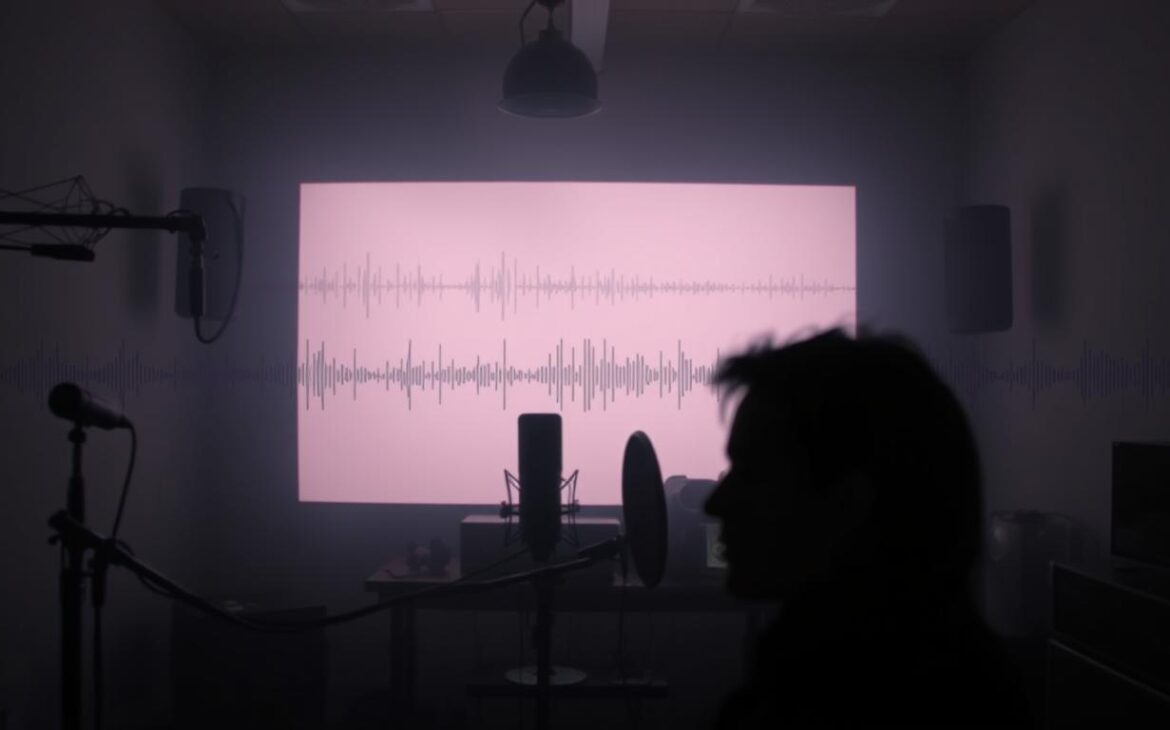
Cultural roots are key. Accents, dialects, and speech patterns connect to your heritage. For instance, someone from Texas might use different phrases than someone from Boston. This shows their background through speech.
Values also play a part. A teacher might speak calmly to inspire trust. An activist might speak passionately to reflect their mission.
Embracing your voice identity means owning these aspects. It’s about recognizing how your speech reflects your beliefs. When you speak authentically, you build confidence. You’re aligning your words with your true self.
Studies show diverse voices lead to stronger growth. Your voice connects your past, present, and future. So, listen to yourself when you speak. That’s your voice identity at work.
Transforming Shaky Moments into Strength
Seeing shaky moments as more than obstacles is key. Every tremble in your voice or knot in your stomach holds great power. Fear is a signal, not a stop sign. It shows you care deeply about what you’re saying.
Many have turned moments of doubt into bold statements. Think of activists who started small, artists who shared raw work, or leaders who spoke despite trembling. Their stories show fear fuels purpose when met with action.
Reframe your shaky voice as proof of authenticity. Start by sharing small ideas. Celebrate progress, not perfection. Over time, fear’s edge dulls as courage sharpens. Communities thrive when individuals dare to speak despite fear, creating ripple effects of bravery.
Transforming Fear means choosing growth over comfort. Your voice’s wobble isn’t weakness—it’s where power begins. Every shaky word is a step toward owning your message fully.
Encouraging Others to Find Their Voice
Your voice isn’t just for you; it’s a light for others to see. By sharing your story, you open doors for others to do the same. Leading by example means showing it’s okay for voices to shake.
Projects like Project 24 show how one person can start a movement. Places like Broken Sound Club share raw stories, showing vulnerability connects us.
Leading by example doesn’t need a big stage. Just listen and applaud small acts of courage. Give people chances to speak up in meetings or classrooms.
Your support can give someone the courage to speak. By sharing, even imperfectly, you help diverse voices grow.
Think about your own journey. Every time you’ve spoken up, you’ve inspired others. Now, imagine making a bigger impact.
Use social media, mentorship, or simple talks to inspire. The world needs all kinds of voices to bring about change. Start by saying, “Your voice matters here.” That’s how change begins.