


























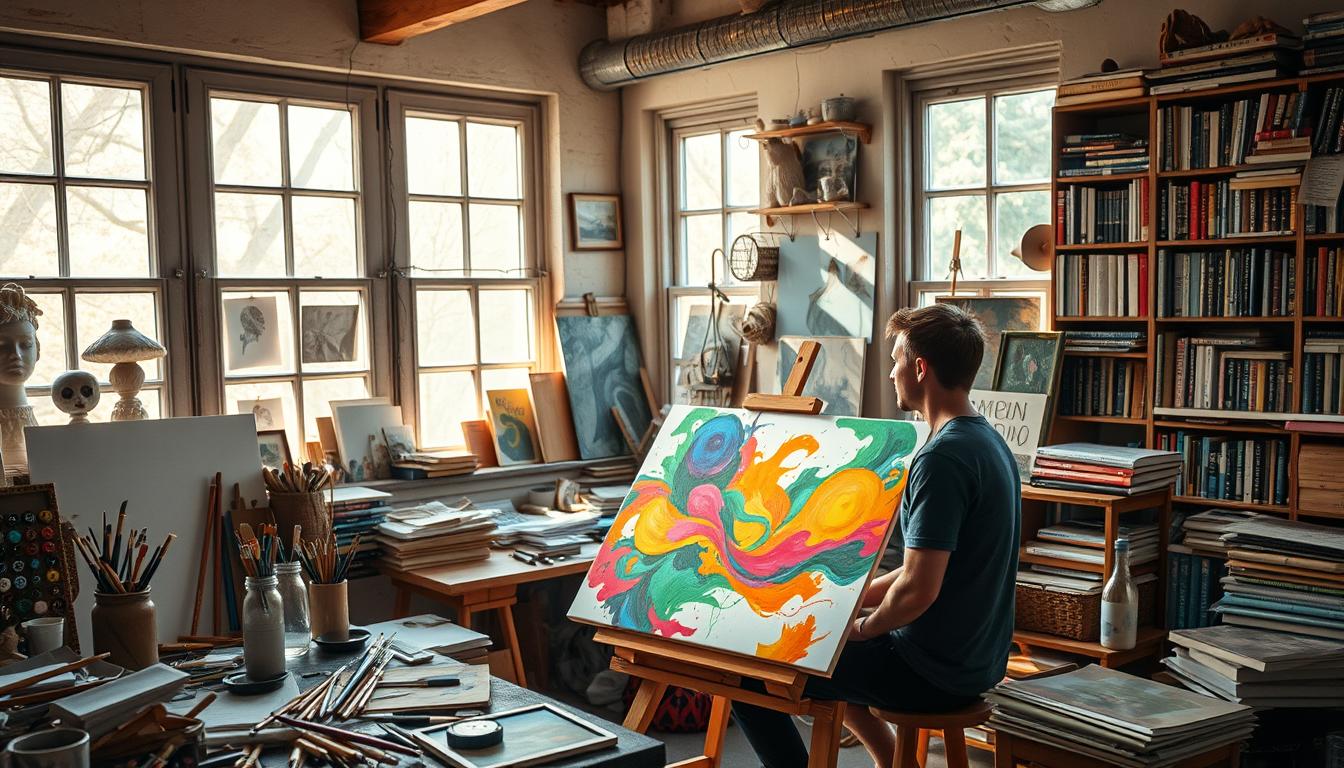
Creative discovery often starts when we step into action. Thinkers like Roger Kneebone, writing in Nature, show how hands-on work fuels innovation. When we create, test, and adjust, ideas take shape in ways theory alone can’t predict.
Imagine building a sculpture, coding an app, or even cooking a new recipe. Each action becomes a chance to learn. Kneebone’s research in medicine highlights how real-world practice unlocks solutions hidden on paper. The “aha” moments come not from waiting, but from trying.
This journey isn’t about perfection—it’s about curiosity. Every experiment, mistake, and adjustment teaches us something. Let’s explore how doing, not just thinking, drives creative discovery forward.
Embracing Creativity: A Personal Journey
Every creative journey starts with a single step. Experiential creativity isn’t just about making art—it’s about learning through doing. Imagine trying a new craft, writing a poem, or solving a problem in a unique way. These moments shape who we are.
Schools like those using personalized learning programs show how hands-on projects help students grow. Mistakes become lessons, and curiosity drives progress.
Personal stories reveal how small experiments lead to big changes. A student once mixed paints to discover a new color, sparking a passion for design. Another wrote songs to cope with stress, later sharing them online.
These acts of experiential creativity turn hobbies into pathways of self-discovery. It’s okay to feel unsure—uncertainty often leads to breakthroughs.
Ask yourself: What small creative act can you try today? Whether sketching, cooking, or rearranging a room, every action feeds your creative spirit. Embrace the process, not just the outcome. Your journey is unique. Celebrate it.
The Power of Spontaneity
Spontaneous creation is more than just a trend—it’s a way to unlock your creativity. Studies in art and performance science show that letting go of plans can spark new ideas. When we let our minds wander, we often find breakthroughs.
Research from Stanford’s Creativity and Innovation Lab shows that unplanned moments can lead to original solutions. This is a powerful way to think outside the box.

Jazz musicians create songs on the spot, turning improvisation into art. Painter Jackson Pollock’s drip techniques started as accidental splatters but became iconic works. These examples show how unplanned moments can redefine what’s possible in creativity.
Scientists at MIT found that spontaneous creation activates brain areas linked to solving problems. This proves that randomness can fuel innovation.
A 2020 study in the Journal of Creative Behavior noted, “Spontaneous creation disrupts routine thinking, pushing creators to explore uncharted paths.”
By embracing the unexpected, you open doors to innovation. Letting go of control is not risky—it’s where new ideas emerge. Next, we’ll explore ways to harness this energy effectively.
Techniques for Creative Surprises
Creative techniques help us find new ideas. Start by brainstorming: write down all your thoughts without judging them. This simple method, used by designers like Picasso, can turn random ideas into breakthroughs. Try free writing—set a timer and write without stopping. Even messy drafts can help clarify things.
Experimentation is essential. Musicians like John Cage mixed sounds others ignored, creating new genres. Mixing mediums—like painting with unexpected materials—can change how we see things. Collaborating with others can also reveal new solutions.
“Limitations are where creativity expands.” – Author unknown, yet practiced by innovators from Frida Kahlo to Steve Jobs
Try working with constraints: set strict rules, then bend them. A study in Harvard Business Review showed that limits can boost creativity. Use prompts or random word generators to shake things up. These methods can turn routine into something new and exciting.
Remember, every technique is just a starting point. Mix and adapt them, and let curiosity lead the way. Your next big idea might be just around the corner.
Overcoming Creative Blocks
Creative blocks can feel like dead ends, but they’re chances to grow. Studies funded by the National Institutes of Health show that structured methods help artists, writers, and innovators break through these moments of stuckness. Taking a walk, sketching random shapes, or even talking aloud about your ideas can reset your mindset.
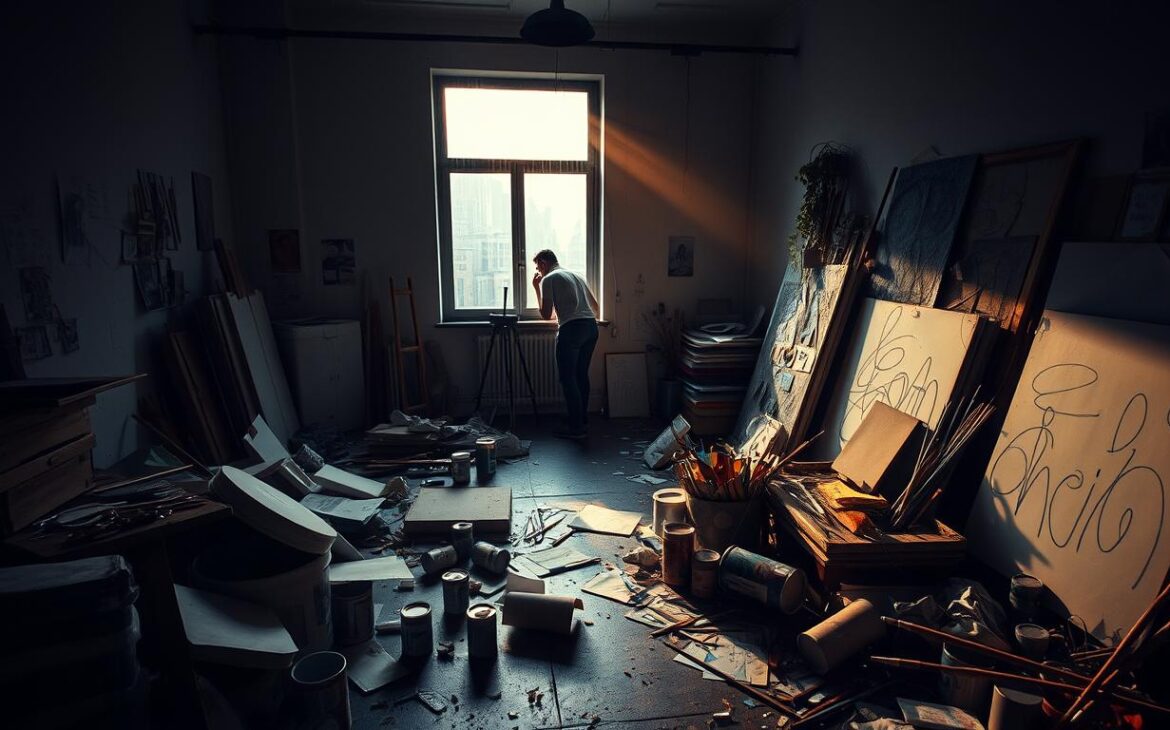
“Resistance is the human force that resists the creation of art.” — Steven Pressfield, The War of Art
When stuck, try small shifts. Change your workspace, listen to music from a new genre, or set a timer for 10 minutes of free-writing. These actions create space for fresh ideas. Many professionals, like graphic designers or musicians, use “idea journals” to capture fleeting thoughts during blocks.
Persistence matters most. Even famous creators like J.K. Rowling or Picasso faced periods of doubt. Overcoming creative blocks isn’t about avoiding them—it’s learning to navigate them. Simple routines, like daily practice or collaborating with peers, build resilience over time. Remember, every block is a step toward deeper creativity.
The Role of Curiosity in Creativity
Curiosity sparks creativity, turning questions into breakthroughs. At places like the NIH, scientists dive into the unknown every day. They don’t look for answers right away. Their work often leads to discoveries that change whole fields.
Ever wonder what if or why not? These simple questions ignite creativity. By exploring new areas, like art or science, you grow your mind. Try drawing something new or reading about a subject you don’t know well. This can lead to surprising connections.
Curiosity means being okay with not knowing. When you explore without a goal, you learn to see things others miss. Google’s “20% time” policy is a great example. It lets engineers work on side projects, leading to Gmail and AdSense.
To grow your curiosity, journal your “what if” thoughts or try new workshops. Curiosity is not just thinking—it’s doing. Every “I wonder…” can lead to new ideas.
Lessons Learned from Unexpected Creations
Unexpected art starts where plans fail. A spilled paint jar or a broken pot can spark new ideas. History’s greatest works often began with surprises.
Belgian lace makers once saw torn threads as mistakes. Now, they’re part of their designs. These “flaws” are now sought-after, showing that imperfection is valuable.
Scientist Percy Spencer found a melted candy bar during radar tests. This accidental discovery led to the microwave oven. His curiosity turned an oddity into a groundbreaking invention, showing how surprises can lead to innovation.
“Mistakes are portals to discovery.”—Alan Watts
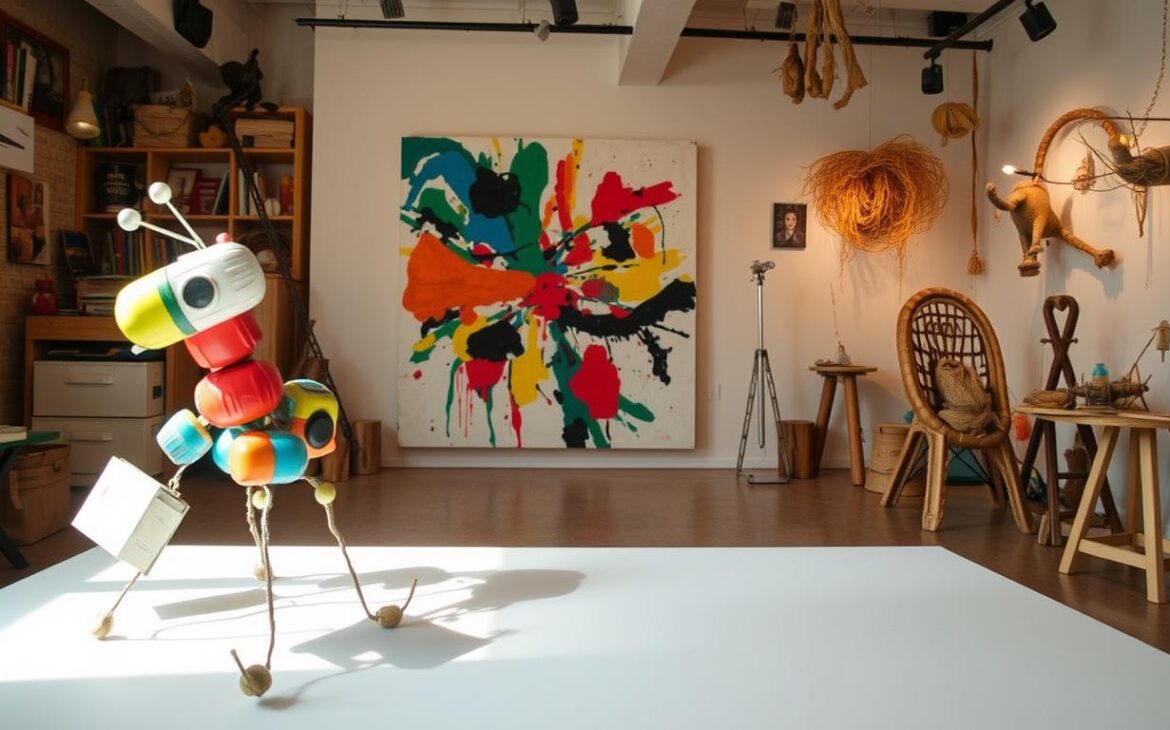
A dropped brush stroke might introduce a bold new color scheme. A cracked clay pot could inspire a mosaic. These moments teach us to ask: What’s hidden in this surprise?
Embracing unexpected art means trading fear for curiosity. It’s not about being perfect—it’s about seeing opportunities. Every “flaw” holds lessons. Let’s learn to see them as invitations, not obstacles.
The Impact of Environment on Creativity
Research shows where you work shapes how you think. A study in Nature found that both physical and social surroundings directly affect creative output. Your creative environment isn’t just a backdrop—it’s a tool to unlock new ideas.
Urban parks or bustling cafes might spark energy, while quiet studios offer focus. Rearranging desks, adding plants, or even changing wall colors can transform spaces. These small shifts signal the brain to approach tasks differently. A cluttered desk? It might limit flow. Clean, light-filled areas often boost problem-solving.
People around you matter too. Collaborative spaces like coworking hubs or online forums inspire exchange of ideas. Teams in open offices share perspectives, leading to hybrid concepts. Solitude has its place too—many artists thrive in isolated studios, free from distractions.
“Spaces designed to engage the senses—like varied textures or natural light—can enhance creativity by 20%,” said a 2023 study on workplace innovation.
Start small: swap your workspace weekly, join a creative class, or redesign your home setup. Even virtual environments, like digital tools with calming themes, count. The goal is to build a setting that fuels, not hinders, your process. Your surroundings aren’t just a backdrop—they’re part of the creative act itself.
Balancing Structure and Freedom
Balanced creativity mixes strict planning with room for new ideas. Think of research labs like NIH, where they follow rules but also encourage new ideas. Structure guides us, but freedom sparks innovation. It’s like a painter sketching an outline and then letting their brushstrokes flow freely. balanced creativity is all about finding this balance between control and spontaneity.
Frameworks like project timelines or brainstorming sessions help guide us without holding us back. Tools like Trello or Notion help organize tasks but also leave room for surprises. The secret is knowing when to follow the plan and when to change course. A writer might set daily word counts but then revise freely. A musician might practice scales but then improvise solos. Both use balanced creativity to avoid being too rigid.
“Rules are meant to be broken, but only after you’ve mastered them.” – Picasso
Starting with balanced creativity is simple. Set work hours but also make time for exploring. Let your curiosity lead you within your plans. A scientist might test hypotheses but also leave room for “what if?” questions. A designer might use grids but then experiment with colors outside them. This way, constraints become stepping stones, not barriers.
The aim is not perfection but progress. By combining structure and freedom, you tap into both. Plans keep you on track, while spontaneity takes you higher. That’s how balanced creativity brings forth ideas that neither strictness nor chaos could create alone.
Using Technology to Spark Creativity
Technology in art opens doors to endless creative possibilities. Apps like Procreate and Blender let artists sketch, sculpt, or animate with precision. These tools make experimenting fun and accessible, whether you’re blending colors on a tablet or building 3D models.
Online platforms like Behance and DeviantArt connect creators globally, turning solo projects into collaborative adventures. Imagine painting with someone across the world in real time using apps like Flockdraw. Technology in art isn’t just about gadgets—it’s about making ideas come alive faster.
AI tools like DALL-E or Canva’s design generators can spark inspiration when stuck. They turn abstract thoughts into visuals, pushing boundaries beyond traditional methods. Even simple apps like Prisma turn photos into digital masterpieces, showing how tech helps see the world differently.
Education platforms prove this works: schools use digital tools to teach art, showing students how technology in art can make learning hands-on. Try exploring a new app or software today. Letting tech guide your process might surprise you with fresh ideas. The right tools can turn curiosity into something extraordinary—no limits, just creativity.
The Benefits of Creative Community
Sharing ideas with others can open up new possibilities. Creative communities are places where different views meet and spark new ideas. They turn solo projects into team efforts, whether in local workshops or online forums.
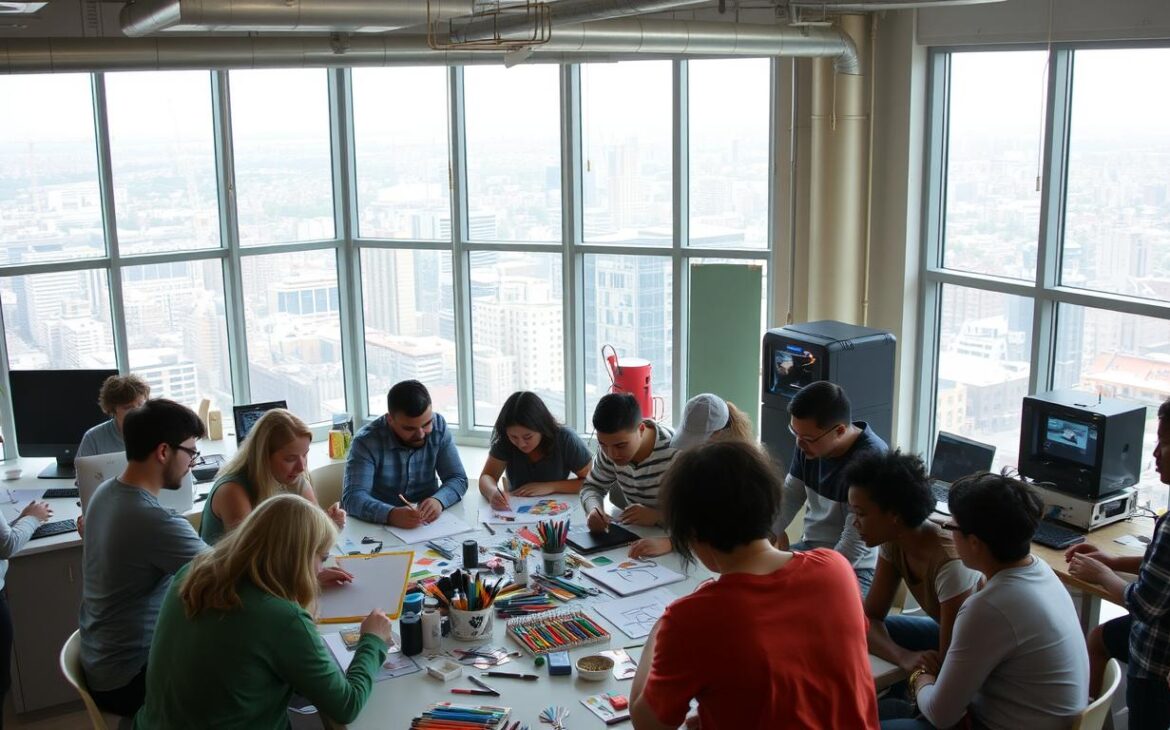
In creative community settings, feedback is key. Artists in places like New York’s MoMA Studio workshops say feedback from peers sharpens their vision. Talking openly about challenges helps everyone grow together.
“Alone, I see one path. With others, I find roads I never imagined.”
Support networks in these groups boost confidence. Design groups like AIGA’s chapters offer mentorship. Schools like Rhode Island School of Design focus on peer critiques.
Being part of a creative community is more than just sharing ideas. It’s about feeling like you belong. Celebrating wins together, like gallery shows, shows that you’re not alone. Every conversation, critique, or project helps build success together.
Documenting Your Creative Process
Every artist, writer, or maker knows creativity flows in waves. Capturing those moments turns fleeting ideas into lasting progress. Documenting creativity isn’t just about saving drafts—it’s a tool to spot patterns and fuel growth.
Start small. Sketch notes in a journal or snap photos of half-formed ideas. Digital tools like Pinterest boards or apps like Notion let you organize visuals and text. Over time, these records show where inspiration strikes and where you stall. Documenting creativity also highlights breakthroughs: that sketch you revisited months later, or a phrase that sparked a story.
“The artist who documents learns to trust the journey.”
Review entries weekly. Compare old and new work to see progress. Notice which projects sparked joy or frustration. This reflection guides future choices—like dedicating more time to painting if it’s where you shine. Schools and studies show this habit boosts problem-solving skills by 40% through self-review (Source: Educational Creativity Institute, 2023).
Share snippets with peers or keep them private—what matters is the clarity gained. When doubt creeps in, your records prove progress. Ready to turn today’s sketches into tomorrow’s masterpieces? Documenting creativity is the first step toward owning your creative legacy.
Moving Forward: Practical Steps for Continued Creativity
Every creative journey starts with a single step. To build your creative future, start with small, achievable goals. Try a new art app like Procreate or explore free courses on Coursera to learn digital design tools. These small actions add up, turning curiosity into consistent progress.
Stay open to surprises. Keep a notebook or digital journal to jot down ideas during walks or quiet moments. Platforms like Behance or Instagram can inspire you by showing how others blend tradition with innovation. Even 10 minutes a day of experimenting with new techniques keeps creativity flowing.
Share your work with local art groups or online forums. Feedback from communities like Skillshare or Reddit’s creative boards helps refine skills and stay motivated. Remember, every artist once felt unsure—now their work inspires others. Your creative future depends on showing up, even when doubts arise.
Invest in tools that match your goals. A basic camera for photography, a budget tablet for sketching, or even a free blog to share writings. Progress isn’t about perfection—it’s about moving forward. Celebrate tiny wins, like finishing a sketch or learning a new software feature. These moments fuel long-term growth.
Let curiosity guide you. Attend virtual workshops from MoMA or TED Talks on creativity. Read how innovators like Picasso or Steve Jobs balanced rules and freedom. Every choice you make today shapes the creative future you’ll build tomorrow. The path ahead is yours to design—one brave step at a time.