




















Art grows when different ideas meet. Fusion as Art shows how working together can create something new. It mixes styles, cultures, and tech in exciting ways.
Designers and artists team up, blending looks with use. Apple’s products are a great example, where design meets engineering. These partnerships lead to new ways of expressing ourselves. Let’s explore how working together shapes the future of art.
Understanding How Collaboration Shapes New Languages
Collaboration is the heartbeat of fusion art. Artists and designers come together, mixing their ideas and skills. This creates something new and exciting. From ancient cave walls to today’s digital canvases, shared creativity has always pushed boundaries.
Early humans painted in caves, and their marks evolved into stories. During the Renaissance, artists like Michelangelo and Leonardo da Vinci learned from each other. They blended techniques to shape new styles. These exchanges didn’t just improve art—they built visual languages that spoke to generations.
Modern fusion art continues this tradition. Digital tools let creators worldwide share concepts instantly. A designer in Tokyo might inspire a muralist in Paris, merging methods into fresh forms of expression.
When minds come together, they don’t just combine styles; they invent entirely new languages. This process mirrors how spoken languages evolve—mixing dialects and traditions. Fusion art isn’t just about merging colors or codes. It’s about crafting new ways to tell stories, blending techniques into something no single person could imagine alone.
The result? Visual and linguistic systems that reflect shared human curiosity.
The Role of Cultural Exchange in Language
Cultural exchange has always connected languages. When cultures meet, their art and stories mix. For instance, during the Renaissance, European artists took inspiration from Middle Eastern and Asian traditions.
This blending of styles made both visual and spoken languages more vibrant. It created new ways to share ideas.
Today, digital platforms speed up this cultural exchange. Artists now combine symbols from various traditions in their work. Social media helps spread these ideas fast, allowing languages to grow through shared visuals and words.
Museums like the British Museum display artifacts that highlight these exchanges. They show how these interactions shape cultural stories over time.
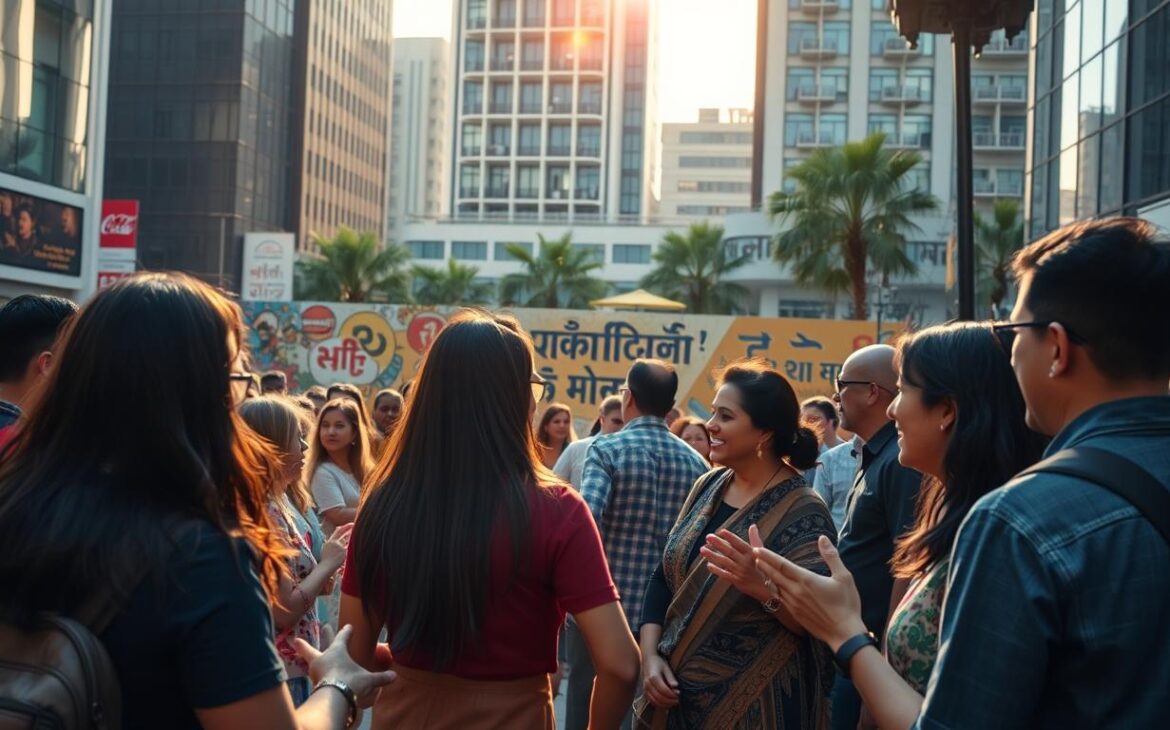
Every shared symbol or phrase adds to a global conversation. Cultural exchange isn’t just about art. It’s how languages evolve and grow, making communication richer and more diverse.
From ancient trade routes to today’s digital world, this exchange keeps languages vibrant and changing.
Innovation Through Collaboration
Collaboration is key to language innovation. Artists and thinkers have always pushed limits together. From Cubism to today’s digital art, shared ideas lead to change.
Now, tools like AI and digital platforms help. Sites like GitHub and AI models shape new language forms. They turn ideas into real art, mixing technology with creativity.
Developers and linguists create new languages for movies and games. They blend storytelling with technical skill. This shows how collaboration and technology can change how we communicate.
As technology grows, teams from different fields will keep changing how we talk. Every era brings new ways to create. The future is for those who dare to collaborate, where every voice adds to the story.
Social Media: A Modern Linguistic Playground
Social media platforms are where social media language thrives. Users quickly share new phrases, slang, and symbols. Twitter threads, Instagram captions, and TikTok hashtags shape our communication.
From “viral” challenges to meme culture, these spaces are testing grounds. Creators test ideas fast, making platforms evolve quickly.
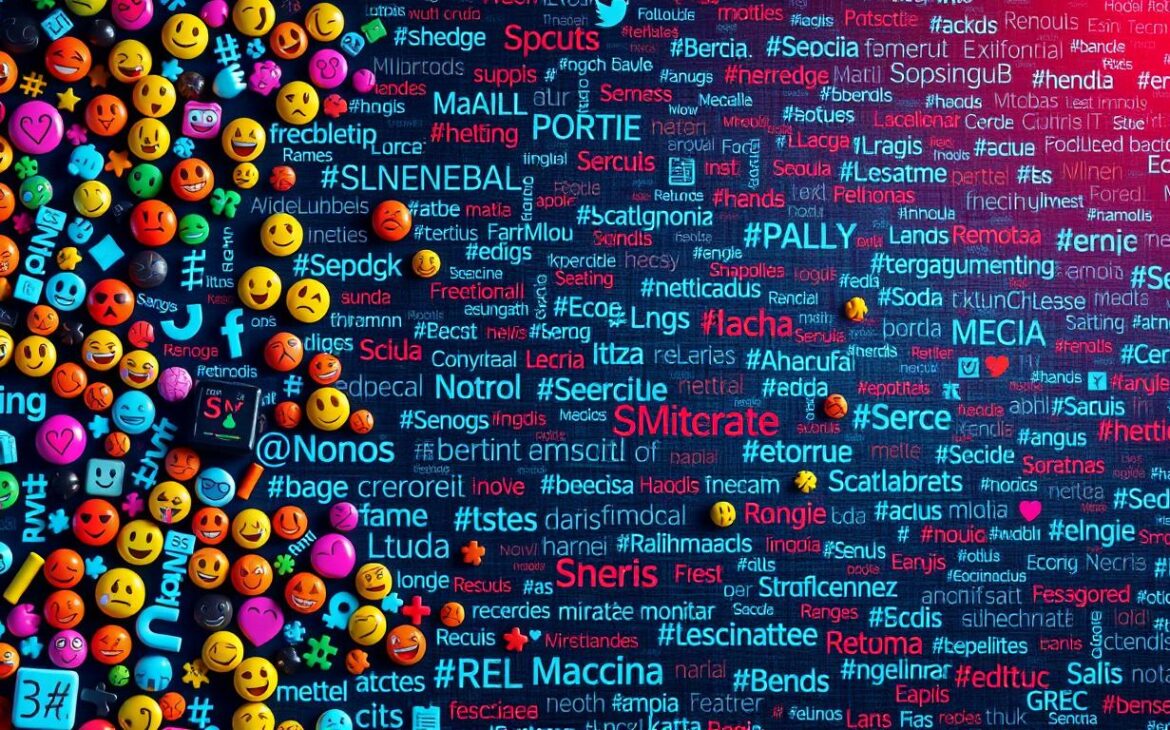
Artists on ArtStation and Pixiv collaborate worldwide through hashtags and comments. A designer in Tokyo might get feedback from a fan in Brazil. This exchange creates new dialects, like emojis and slang.
Platforms like TikTok show how trends spread fast. Terms like “rizz” or “beige” went from niche to mainstream. Hashtags like #VocabularyVibes track word changes daily.
Creators build new words on social media. A viral post is more than content; it’s a spark for new language. Algorithms highlight fresh expressions, blurring the line between users and linguists.
Every tweet or post could shape tomorrow’s social media language. Social media’s global reach makes it a powerful tool for language.
Collaborative Projects That Created New Languages
Collaborative projects often surprise us by pushing boundaries. When artists and technologists team up, they create new visual and linguistic codes. Digital art groups like TeamLab mix code and color, blending tech with tradition.
They make immersive installations that tell stories without words. This shows how shared creativity can change how we communicate visually.
In cinema, teamwork has changed how we tell stories. Films like Avatar used motion capture and linguistics to create the Na’vi language. James Cameron’s team worked with experts to build a fictional culture’s dialect.
This proves that working across disciplines sparks innovation. “When minds from different fields collaborate, they don’t just solve problems—they reinvent the rules,” says a noted digital artist.
Animation also benefits from teamwork. Studio Ghibli and Disney’s partnership on *Spirited Away* mixed Japanese folklore with Western techniques. Their shared vision created visual languages that reach people worldwide.
Even theater benefits from collaboration. Groups like Punchdrunk combine acting, tech, and space design to create immersive stories.
These collaborations show that sharing skills builds more than art. They shape new forms of expression. Collaborative projects are about bridging gaps between ideas and cultures.
The Aesthetic of Language Fusion
Language fusion is more than words; it’s a visual treat. Artists and designers use colors, shapes, and typography to create aesthetic fusion. This fusion goes beyond text. Think of ancient manuscripts with calligraphy and gold leaf, blending meaning and beauty.
Today, digital artists combine fonts and images to make phrases stand out. They turn words into eye-catching statements.
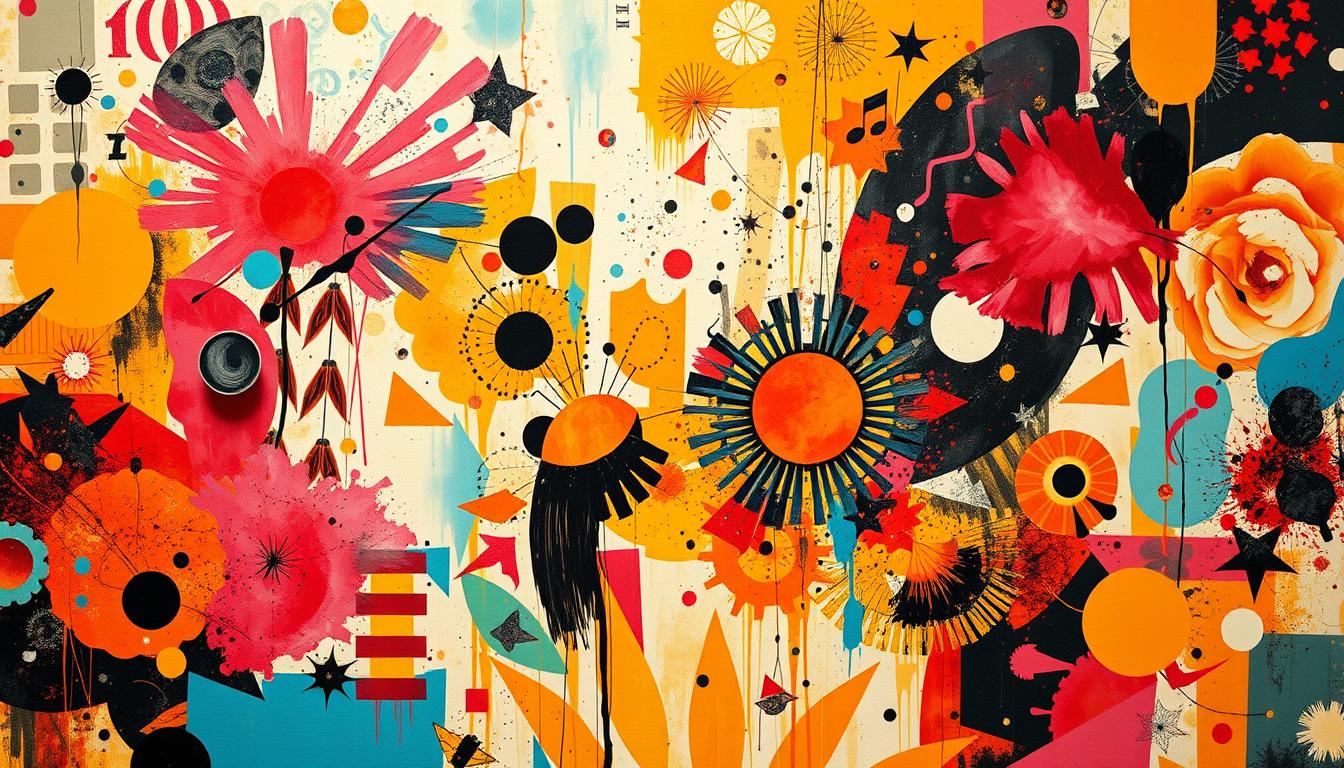
Design principles like contrast and balance are essential. A poster with bold graffiti and delicate floral patterns tells a story. The aesthetic fusion here connects cultures, making abstract ideas real.
Bauhaus pioneer Johannes Itten said, “Color is life; without it, everything would be chaos.”
“Aesthetic fusion transforms language into a sensory journey.”
Apps like Canva make it easy for anyone to mix visuals and words. Whether in graffiti or graphic novels, the aim is to stir emotions. This fusion is not just about looks; it’s a language everyone can grasp.
From murals to memes, aesthetic fusion keeps evolving. It’s where art and communication meet, showing beauty and function are one. Next time you see a striking ad or poster, notice how its design brings words to life. That’s the magic of aesthetic fusion.
Challenges in Creating New Languages
Creating new languages is full of creative challenges at every turn. It’s a balancing act between traditional rules and modern tools like AI generators. This balance is hard to keep, as global platforms spread ideas quickly.
“A new language must feel familiar yet fresh—like solving a puzzle with no right answers.” — David J. Peterson, Dothraki creator
Adding cultural respect to the mix makes things even more complex. Using sounds or grammar from endangered languages can be tricky. It’s important to do it with care to avoid misunderstandings.
Tools like speech synthesis software sometimes miss the mark. This forces creators to find unique solutions. Even choosing names can be a challenge—ensuring they sound natural across different dialects.
But these challenges also drive innovation. Teams now use open-source platforms to share resources. This turns obstacles into opportunities for growth. Every creative challenge pushes us to explore new ways, showing that struggle can lead to progress.
The Role of Education in Language Collaboration
Schools and universities are changing how new languages come to life. Programs like those at MediaTech University combine tech with art. They teach students to mix coding, design, and cultural studies.
This hands-on method lets students play with digital tools while honoring traditional arts.
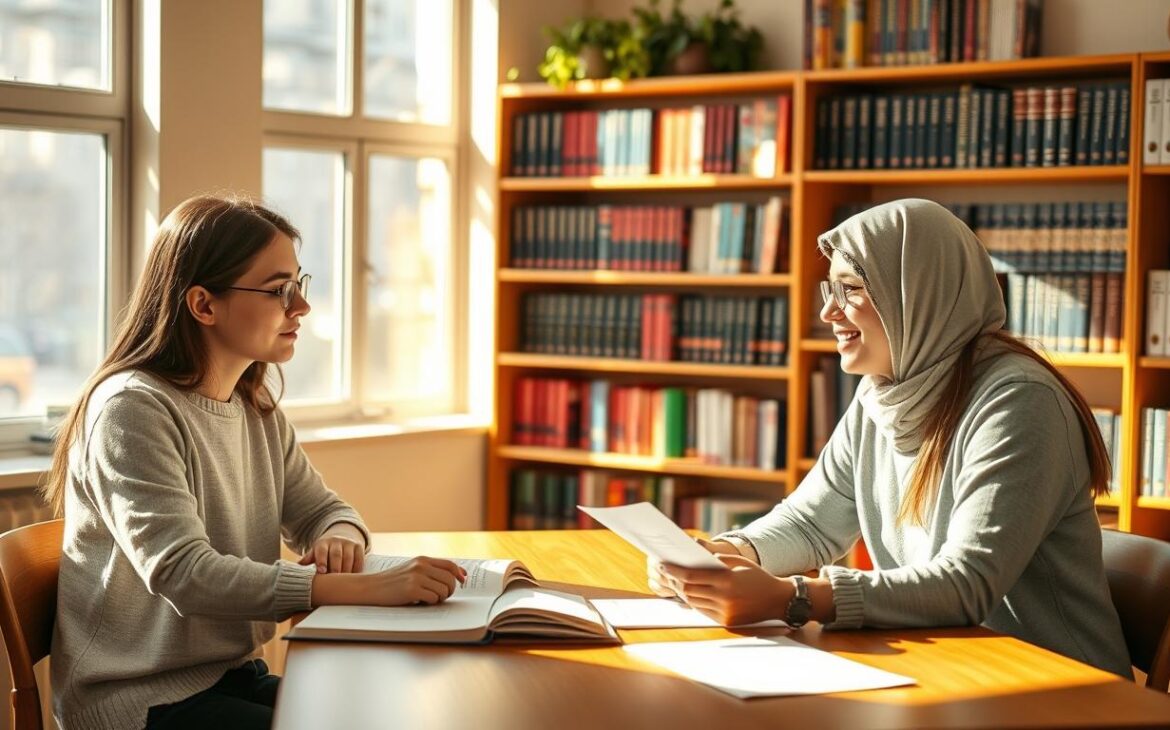
These courses focus on teamwork and creativity. Students team up to create visual stories or apps that combine text, sound, and images. These projects mimic real-world problems, helping students learn to innovate in various fields.
Teachers stress the importance of being adaptable. They teach students to view language as something that can change, not stay the same.
Education is the cornerstone of progress, bridging divides between disciplines and fostering shared understanding.
Learning isn’t just about books—it’s about sparking curiosity. Schools start early to encourage creativity. This sets the stage for future breakthroughs in communication through art and technology.
MediaTech’s workshops, for example, bring linguists and coders together. This shows how working across disciplines can lead to new ideas. It prepares tomorrow’s innovators to move easily between digital and artistic expressions.
The Future of Collaborative Language Creation
New technologies are changing how languages grow. AI tools help designers try out future language ideas. They suggest sounds and grammar rules, opening up new ways to share thoughts.
Online spaces let teams worldwide create new dialects for art or tech. Developers use digital tools to improve future language systems quickly. Virtual reality could show spoken words as visuals, mixing sound and sight instantly.
As tools get better, more people will help make new languages. This change will bring richer, more welcoming ways to talk. The future looks bright for how we’ll share words yet to be invented.
Global Events and Their Linguistic Impact
Major world events change how we talk to each other. Political protests, international festivals, and global summits are where languages blend and grow. For example, climate change talks at COP conferences introduced terms like “net-zero” into daily talk.
These moments show global linguistic influence as different groups work together to tackle big issues.
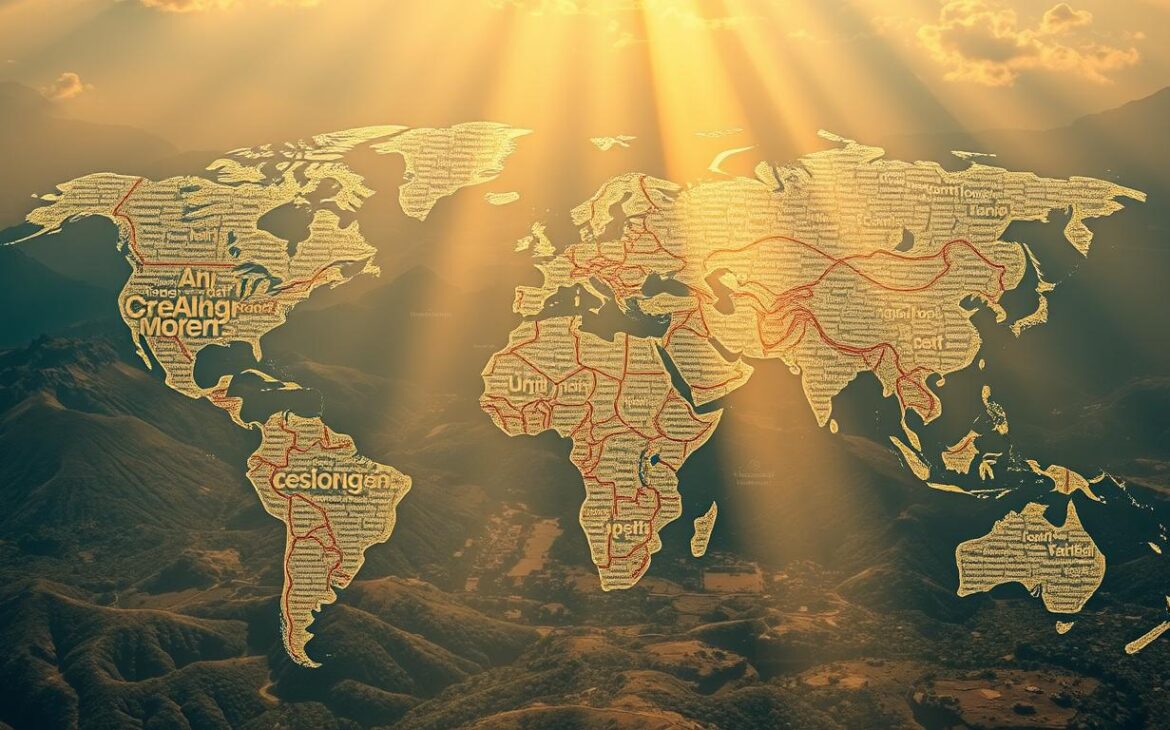
Music festivals like Coachella or cultural events during the Olympics share slang and phrases from around the world. Social media makes this even bigger—hashtags from global movements become rallying cries, mixing words from many languages. When crises like the pandemic hit, new terms like “social distancing” become common everywhere.
Art shows like Venice Biennale or Documenta bring artists together, mixing visual and verbal art. This mix pushes languages to take on new metaphors and structures. Movements like Black Lives Matter or #MeToo also changed public talk, blending grassroots language with formal debates.
These events are catalysts, showing global linguistic influence is real in every shared struggle and celebration. As online and offline borders fade, these interactions will keep changing how we share human experiences.
The Intersection of Music and Language
Music and language are closely linked, shaping how we share ideas and feelings. Rhythm, melody, and harmony in music mirror the structure of spoken words. This creates a universal bridge between cultures.
When music and language come together, they form new ways to tell stories and connect people. Artists often use this blend to explore new creative paths.
Think about how lyrics and musical beats work together to add depth to messages. A song’s melody can bring out emotions that words alone might not convey. Collaborations between musicians and poets, for example, create works that speak to people across different languages.
Projects like Biophilia by Björk show how music, text, and visuals can be combined to create immersive experiences. This proves that music and language can redefine how we tell stories.
Music also plays a key role as a global language, going beyond entertainment. It helps keep endangered dialects alive through traditional songs. It also inspires new slang in pop culture.
For instance, hip-hop has merged rhythm with poetry, creating a vibrant, evolving lexicon. This fusion not only entertains but also educates and unites people.
With the rise of technology, apps and platforms make it easy for creators to mix music and language. From podcasts with musical scores to AI-generated soundscapes paired with poetry, innovation keeps this partnership vibrant. The result is a dynamic, ever-changing dialogue between sound and speech that continues to inspire.
Creative Writing as a Collaborative Language
Creative writing collaboration makes stories shared experiences. Writers and artists come together, blending text and images. This way, stories become universal, understood by all.
The Poetry Foundation’s 2023 Voices Unbound exhibit is a great example. It paired poets with digital artists, allowing words and images to grow together. This shows how stories deepen when writers collaborate with artists, coders, or musicians.
Online platforms like Wattpad let people rewrite stories together. This makes creativity a team effort. Museums like MoMA even host workshops where artists and writers create new stories together.
This mix of skills breaks down barriers between different art forms. For example, a poem might become a song or a sculpture. Tech tools like AI and VR open up new ways for creators to work together from anywhere in the world.
It’s like a shared language. When a novelist and composer create a play, or a poet and dancer perform, they create something greater. This mirrors the article’s themes: how music, tech, and culture change how we communicate.
So, the next time you read a story, imagine how it could be in another form. Creative writing collaboration is more than art—it’s a doorway to new languages. As tools and teams grow, so will the stories we tell together.