



























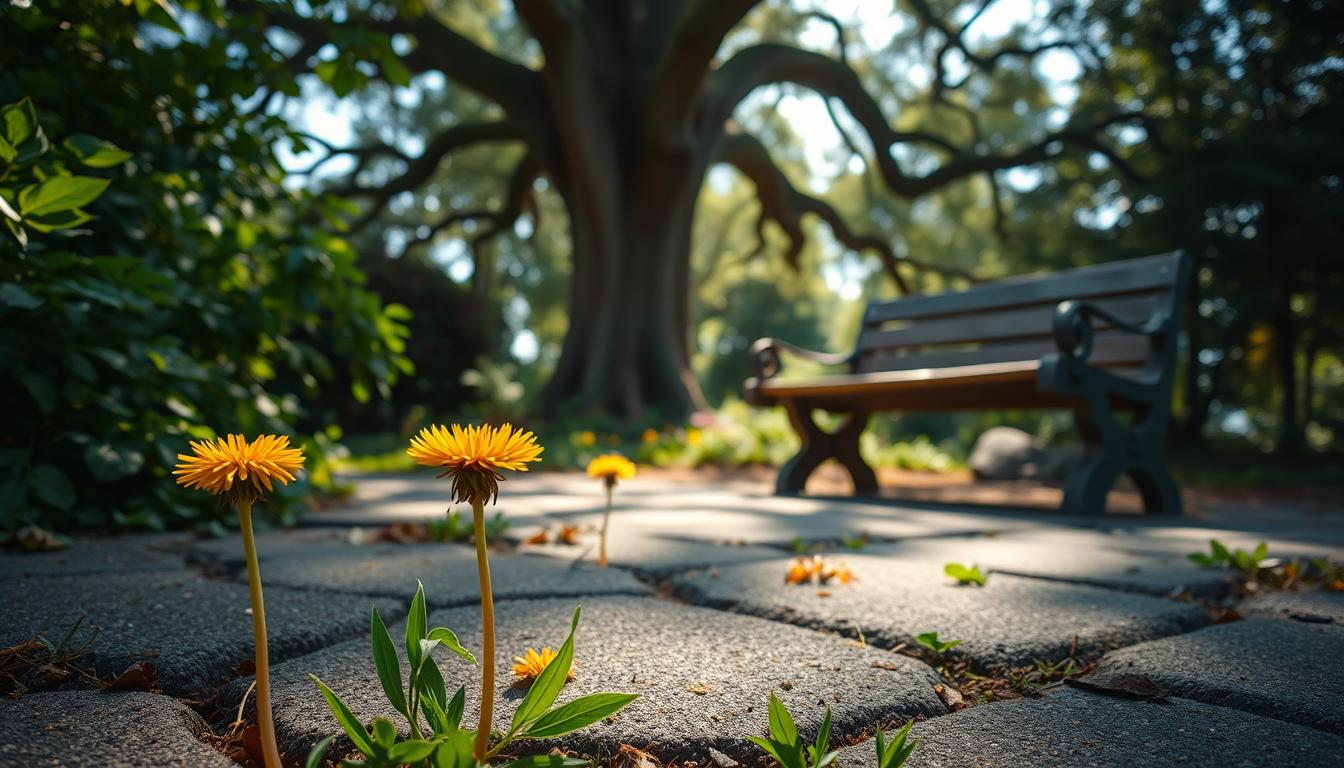
“Life is amazing. And then it’s awful. And then it’s amazing again.” L.R. Knost’s words show us that strength is in life’s ups and downs. Inspiration often comes from the routine, small choices, and uncelebrated acts of endurance.
Imagine a nurse making a patient laugh, a teacher helping a student late at night, or a parent soothing a child at bedtime. These moments build resilience, one day at a time.
Everyday resilience inspiration is found in the unnoticed. It’s the neighbor’s wave that brightens your day, trying again after failure, or patiently rebuilding after a tough day. This article shows how these daily moments teach us to hold on and grow.
The Essence of Everyday Resilience
Resilience isn’t about being perfect. It’s the quiet strength to keep going, even when life is tough. The essence of resilience is in small steps. It’s about showing up when you don’t feel like it, learning from mistakes, or finding hope in everyday struggles.
“Growth doesn’t happen in comfort zones. It blooms where we dare to face discomfort.”
Imagine facing a work deadline, a family fight, or a health issue. These tests teach us to adapt. Resilience isn’t about avoiding pain. It’s about choosing to move forward. Every small win, like completing a hard task, helps us face bigger challenges.
Studies show that resilience grows with daily effort. A parent balancing work and family, a student dealing with school stress, or someone overcoming failure all show resilience. It’s not about staying strong all the time. It’s about being flexible and rising again after falling.
Sources of Inspiration
Inspiration often hides in life’s quietest corners. A child’s laughter, a sunrise’s first light, or a stranger’s small act of kindness—these moments are inspirational sources waiting to be noticed. Consider the words of L.R. Knost:
“It is in the shelter of each other that the rain is beaten.”
Such quotes remind us that strength and creativity flow from connection, even in chaos.

Everyday routines hold clues to resilience. A gardener tending plants finds purpose in growth. A teacher sees the best in every student’s question. These acts aren’t grand, yet they fuel perseverance. Nature itself is a teacher: trees bend but don’t break in storms, mirroring human adaptability.
Look closer at ordinary spaces—a kitchen, a commute, a walk. A coffee shop barista’s smile, the rhythm of rain on a window, or a handwritten note can spark ideas. Inspiration thrives where we choose to look. By pausing to notice, we turn the mundane into a wellspring of inspirational sources.
Cultivating a Resilient Mindset
Building a resilient mindset starts with small daily choices. Mindfulness and journaling help us face setbacks better. Maria, a teacher, turned burnout into purpose by writing down three challenges and solutions each morning. This simple routine became her foundation for resilient mindset cultivation.
Cognitive reframing is key. Instead of seeing a job loss as failure, ask: *What skills can I grow here?* Studies show people who reframe obstacles this way recover faster. Meditation apps like Headspace or Calm provide guided sessions to train this shift. Consistency matters more than perfection.
“Strength grows in the soil of persistence,” says Dr. Angela Lee Duckworth, author of *Grit*. “It’s not about avoiding storms, but learning to dance in the rain.”
Incorporate reflection time weekly. Ask: What did I learn today? How can I adjust my view? These steps turn struggles into stepping stones. Resilience isn’t inherited—it’s built through deliberate practice, patience, and believing growth is possible.
The Role of Community Support
Community support starts with small acts of kindness. Neighbors might share tools after a storm. Friends might check in when times are tough. These actions create a safety net that strengthens us all.
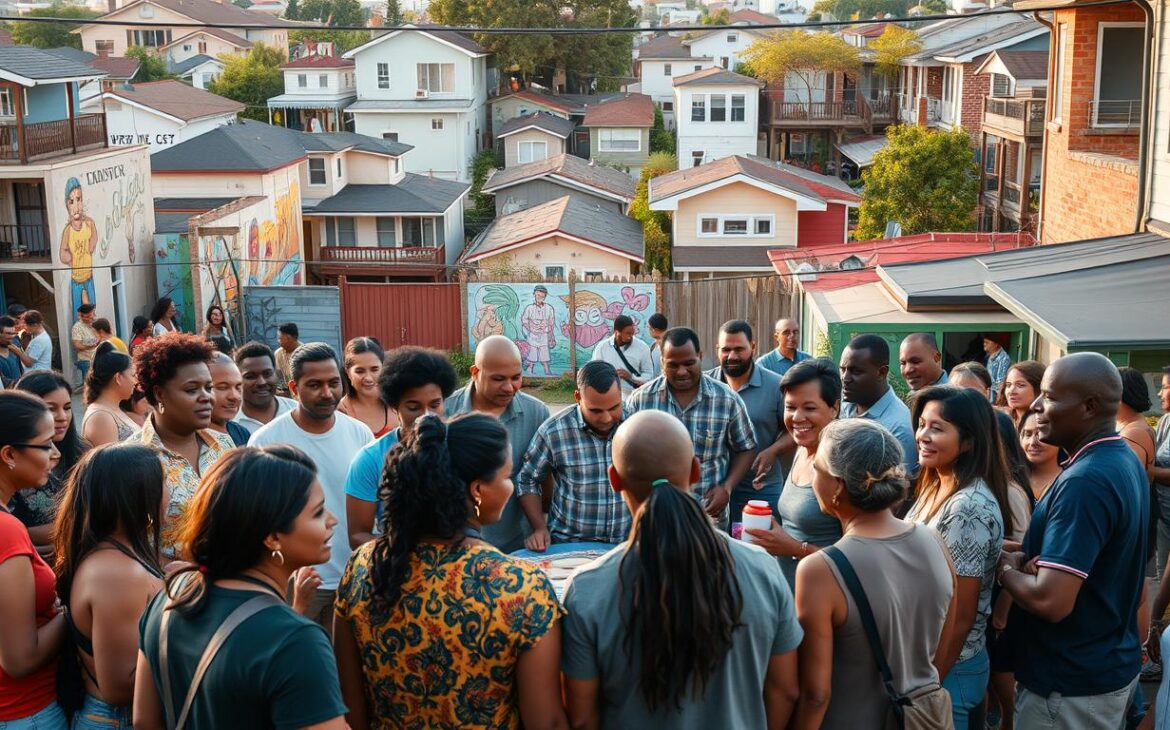
When a family loses their home to fire, the community steps up. Neighbors donate clothes, and local businesses offer discounts. Volunteers rebuild fences. This support is more than temporary help—it’s a foundation for long-term strength.
Resilience grows when communities come together. A study by the American Psychological Association shows social networks help us cope during crises. Local food drives and community gardens show how collective action boosts resilience. Shared goals and open communication make everyone’s strength grow.
Everyday moments, like chatting at a farmers’ market or attending a town meeting, build community support. These moments show us we’re never alone. Together, we turn hardships into opportunities for growth, proving resilience is strongest when we support each other.
Overcoming Challenges with Grace
Life’s messy moments, like spilled coffee at meetings, test our calm. Graceful challenge overcoming isn’t about being perfect. It’s about moving forward with clarity. Think of a parent handling work calls while a child has a tantrum. The secret? Pausing, breathing, and choosing kindness toward yourself.
“Strength grows in the quiet moments after the storm.”
Humor can soften stress. Laughing at burnt toast instead of panicking makes frustration easier to handle. Even small acts, like rewriting a to-do list after a mishap, show resilience. This mindset turns obstacles into opportunities.
Overcoming challenges with grace means accepting imperfection. A missed deadline? It’s a chance to renegotiate timelines. A broken appliance? Time to explore simpler routines. Each stumble is data, not defeat.
Grace isn’t about avoiding struggle—it’s about facing it with purpose. When mishaps happen, pause. Breathe. Then take one small step. That’s how grace turns chaos into calm and challenges into growth.
Daily Habits that Foster Resilience
Building resilience isn’t about big actions—it’s the small, daily choices that count. Daily resilience habits like morning exercise, meditation, or journaling help us face life’s ups and downs. Even simple things like a morning routine or a short walk can bring stability in tough times.
“The cumulative effect of small, daily habits is what leads to long-term success.” — James Clear, Atomic Habits

Think about the power of routine. Waking up at the same time, cooking healthy meals, or taking a minute to be thankful. These aren’t just chores—they’re ways to build mental strength. Studies show that regular mindfulness lowers stress, while routine gives us a sense of control.
Make your daily resilience habits flexible but consistent. Change them if needed, but keep practicing. Over time, these habits become second nature, turning stress into something we can handle. Resilience isn’t something you’re born with—it’s built through daily choices.
Finding Strength in Vulnerability
Being vulnerable means we’re brave enough to say we’re not perfect. When we share our struggles, we start to heal. Admitting fear is not a sign of weakness; it’s the start of becoming stronger.
“Vulnerability is the birthplace of innovation, creativity, and change.”
Research by psychologist Brené Brown shows that being open builds deeper connections. When we show our flaws, we encourage others to do the same. This honesty creates trust and unity, turning loneliness into a shared strength.
For instance, athletes talking about mental health challenges inspire others to seek help. This shows that being vulnerable leads to progress.
Being vulnerable doesn’t mean sharing every fear. It’s about finding safe places to be ourselves. Talking about our struggles can reveal support systems we didn’t know about. By facing our pain, we take back control over it.
Strength in vulnerability turns hidden shame into a path to growth. It makes resilience not just possible but certain.
The Impact of Art and Creativity
Artistic resilience shines when creativity becomes a lifeline. Through painting, music, or writing, we turn struggles into stories, colors, or melodies. Studies reveal these activities reduce stress and boost emotional strength.
A 2020 Harvard study found that making art lowers anxiety by 30% in those facing tough times.
“Creating art isn’t about being talented—it’s about being brave enough to feel.” – Artist and therapist Dr. Elena Marquez

Artists like Frida Kahlo turned their pain into masterpieces. This shows that creativity can fuel recovery. When words fail, a brushstroke or a song lyric can express what the mind can’t.
This process rebuilds hope, showing that even in hardship, there’s room to grow.
Communities worldwide use art to heal. Think of murals in crisis zones or poetry workshops for veterans. These acts of creation are more than hobbies; they’re tools. They remind us that resilience isn’t just about enduring—it’s about reinventing.
Pick up a pen, play an instrument, or dance. Every creative act plants seeds of strength.
Lessons from History
Historical resilience lessons teach us that challenges are not new. Past generations faced hardships with courage. Stories of survival and progress show how people adapted and grew stronger.
The Dust Bowl taught communities to innovate. The moon landing proved teamwork could achieve the impossible.
“The only thing we have to fear is fear itself.” —Franklin D. Roosevelt
Roosevelt’s 1933 speech is timeless. Historical resilience lessons show patterns: crises spark creativity. The polio vaccine effort or digital revolutions show setbacks lead to breakthroughs.
Each era’s struggles left tools for future generations. These stories are more than history—they’re roadmaps.
Learning from the past means seeing obstacles as opportunities. The Civil Rights Movement’s peaceful protests, or how Japan rebuilt after WWII, prove perseverance wins. Modern issues like climate change or economic shifts can’t erase this truth.
Historical resilience lessons urge us to ask: What did earlier generations do differently? Their answers guide us now.
The Science of Resilience
Researchers have long studied the science of resilience to understand how people adapt under pressure. Our brains can change over time, a process called neuroplasticity. This helps us build mental toughness when faced with challenges.
Neuroscience shows stress hormones like cortisol affect our decisions. But, positive habits like mindfulness can reduce these effects. A 2020 Harvard study found regular meditation strengthens the brain’s “resilience center.”
Psychologists like explain resilience grows through small daily actions. For example, journaling after setbacks helps reframe negative thoughts. This shifts brain pathways, making resilience a skill anyone can practice.
Science also shows social connections boost resilience. Brain scans of people sharing struggles with others reveal lower stress responses. Combining these findings, the science of resilience proves our capacity to adapt is both innate and trainable.
Practical Steps for Building Resilience
Building resilience starts with small, consistent actions. Begin with practical resilience strategies like daily exercise or journaling. These habits help you grow stronger over time, making challenges feel more manageable.
Take 10 minutes each day for mindful breathing or walking. This simple habit can lower stress and improve focus. Small victories help you tackle bigger challenges with confidence.
Talk about your struggles with trusted friends or mentors. Their support and advice can give you new perspectives. Studies show that having a strong support network can increase resilience by 40% in tough times.
“Resilience isn’t about avoiding falls—it’s learning to rise.”
Change your routine when you feel stuck. Try new hobbies or creative activities like painting or cooking. Exploring new interests can refresh your mind and improve your problem-solving skills.
Reflect on your progress each week. Celebrate even the smallest victories. This helps build your confidence in facing challenges and adapting to new situations.
Make these steps a part of your daily life. Over time, they will build a strong foundation of resilience. Every small action you take contributes to your mental and emotional strength.
Conclusion: Embracing Ordinary Resilience
Life’s quiet moments are key to building strength. Every small choice to keep going, even in routine challenges, shapes our resilience. It’s not about big gestures but the daily steps we take.
Communities and personal habits, like journaling or mindfulness, help us through tough times. Science shows that even small acts of courage can change struggles into growth.
History teaches us that resilience grows from everyday perseverance. Art, like poetry or painting, shows us beauty in persistence. Vulnerability is not weakness but proof of our humanity.
By embracing ordinary resilience, we turn daily tasks and setbacks into learning opportunities. This mindset changes how we see life’s demands, making them paths to deeper understanding and connection.
Notice resilience in your daily routines. A morning walk, a call to a friend, or just acknowledging hard days builds lasting strength. Embracing ordinary resilience means seeing every moment as part of a bigger journey. It’s in these ordinary acts that we find the courage to keep moving forward, together.