














Art is more than colors on a canvas or words on a page. It’s a window into who we are. From paintings to poems, it shows our personal stories and shared human experiences. This is why art stays meaningful across cultures and time.
Elaine Kessler said, “what you risk reveals what you value.” This shows how artists share their beliefs through their work. Writers like Himanshu Bharadwaj and Katie Carter show how art choices reflect our inner truths. These choices make art a powerful language about identity.
Every stroke or word in art is a part of the artist’s voice. This section looks at how creativity connects our personal truths with the world. It proves art is a mirror of both our individual and collective identities.
Understanding the Connection Between Art and Identity
Art and identity are closely linked, showing how people and groups express themselves. Every stroke of paint, note of music, or word written is a bridge between the artist’s inner world and the outside world. This connection is not just about looks; it’s deeply personal.
Artists often put their feelings, memories, or beliefs into their work. This makes the bond between art and identity very strong.
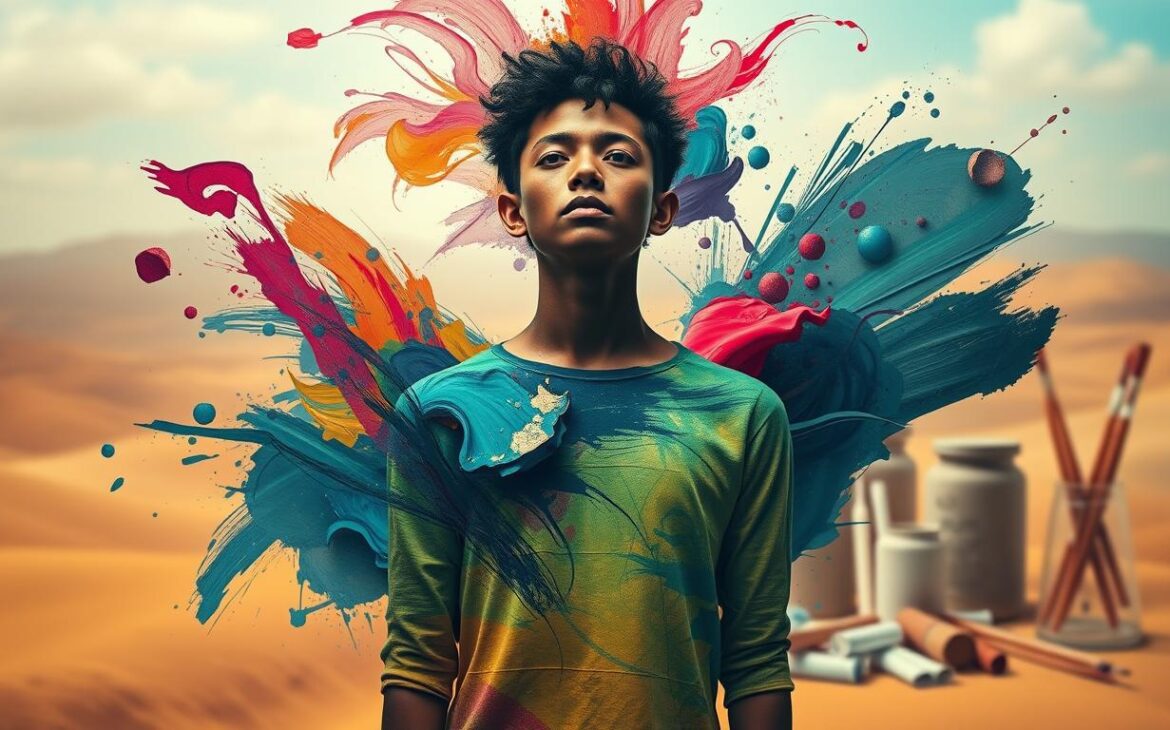
Elaine Kessler’s studies show that creativity grows when artists are open. Her research finds that taking risks in art—like sharing deep emotions or using new materials—leads to self-discovery. This turns art into a mirror that shows personal values and struggles.
Consider a painter using colors to show strength after hard times. The artwork is more than just something to look at; it’s a story of real experiences.
Cultural stories also shape art. When traditions influence artistic choices, identity grows. Art becomes a way to connect people through shared histories or beliefs. Yet, this connection is very personal. Two artists might show the same theme, but their unique views make each piece special.
Art is like a conversation between the artist’s soul and the viewer’s mind. It asks: How do you see yourself, and how do you want others to see you? Exploring these questions through art can help us understand identity better, one piece at a time.
Different Mediums of Artistic Expression
Artists have many artistic mediums to tell their stories. They use everything from brushes and clay to pixels and code. Each tool has its own way to show who they are.
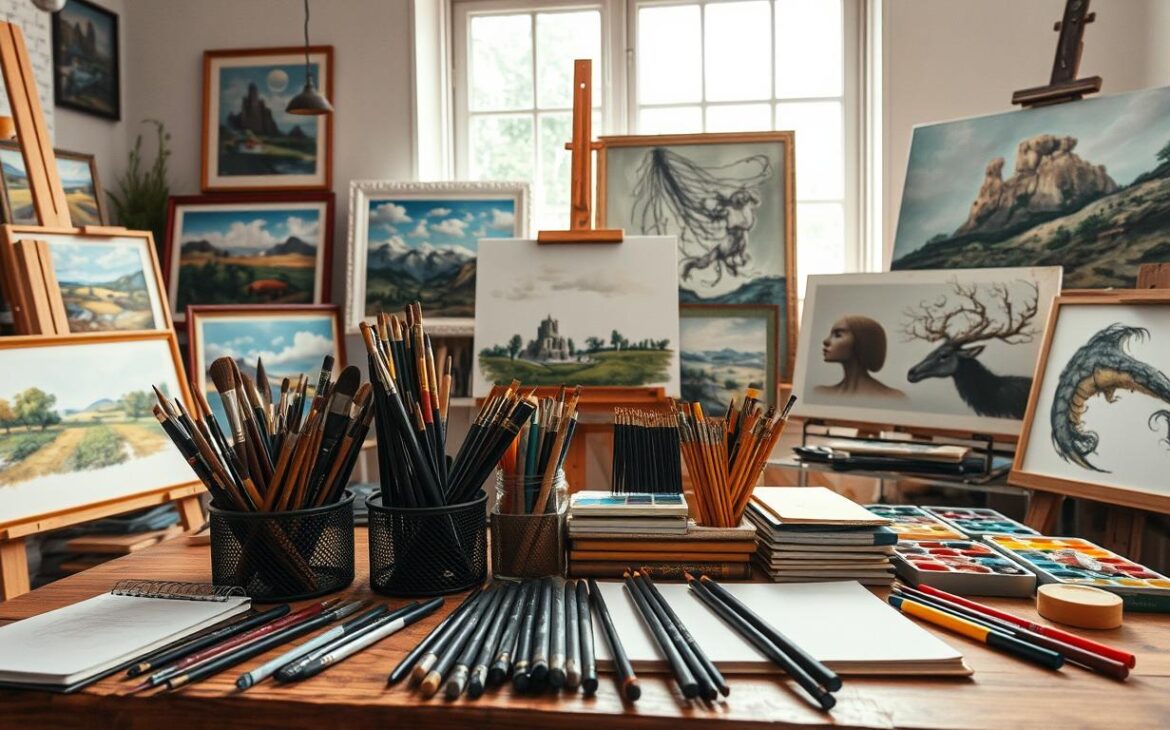
Design expert Himanshu Bharadwaj says the art expression mediums chosen are key. A charcoal sketch can show deep feelings, while digital animation can add layers of meaning. Sculptors use marble to explore shapes, and coders turn algorithms into art.
The canvas or screen is like an artist’s voice. Whether it’s oil paints, 3D printing, or social media, the medium is part of the artist’s identity. By choosing artistic mediums, artists decide how their inner world is seen by others.
“The right medium lets art speak louder than words,” emphasizes Bharadwaj. He points out how mediums like graphic design or digital art change self-expression every day.
From ancient murals to modern apps, each art expression mediums choice tells a story. These tools help artists connect their personal identity with the world, showing that creativity has no bounds.
The Role of Culture in Artistic Identity
Culture is a key part of an artist’s identity, shaping their cultural art identity through shared traditions and stories. From vibrant Indigenous weavings to modern murals celebrating heritage, every piece carries ancestral knowledge. The Pride Foundation’s work shows how communities use art to honor their roots while pushing boundaries.
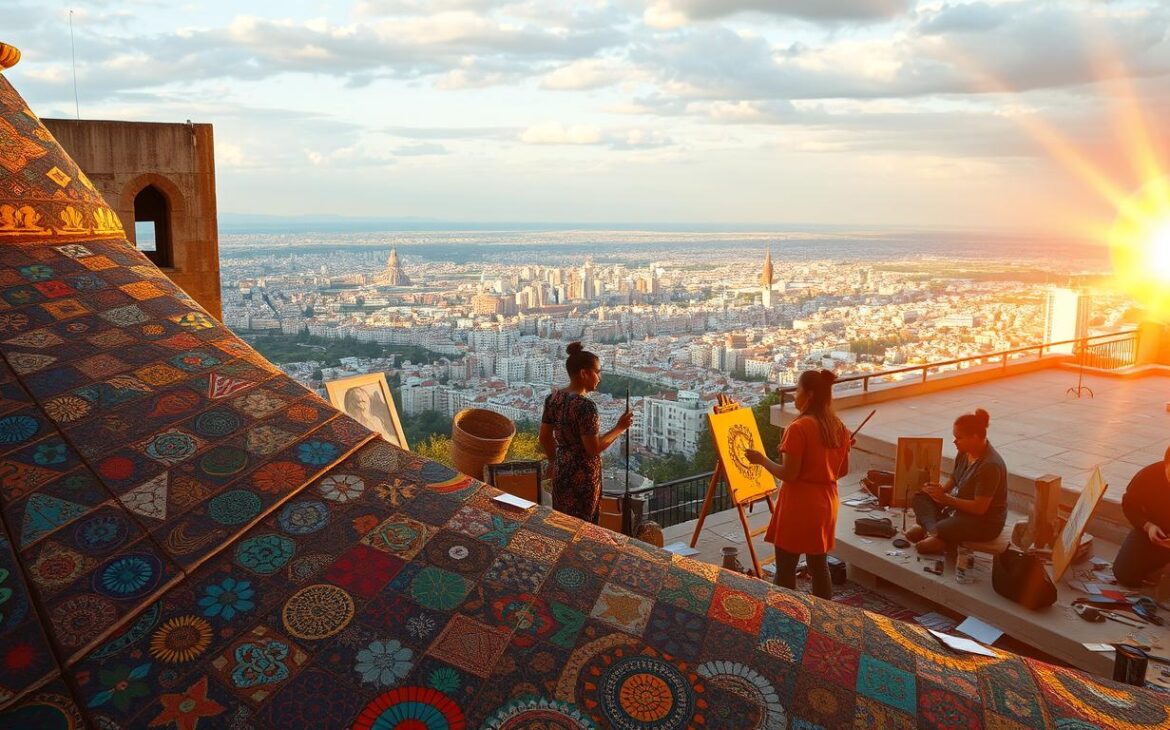
Traditional symbols like Native American dreamcatchers or West African Adinkra patterns inspire today’s designs. These elements reflect cultural influence on art, turning personal expression into collective memory. A sculptor might carve ancestral tales into stone, while a poet blends Spanish and English in verse—a fusion of language and legacy.
Communities worldwide use art to preserve their identity. In New Mexico, potters teach youth to craft clay bowls using Pueblo techniques, ensuring skills endure. Mexican Día de los Muertos altars blend folk art with modern themes, showing how culture evolves through creativity.
Art acts as a bridge between past and present. By embracing cultural heritage, artists not only express individuality but also strengthen communal bonds. This interplay keeps traditions alive while inspiring new generations to explore their place in the world.
Art in Various Communities
Community art turns public spaces into lively storytelling areas. It ranges from city murals to neighborhood galleries. These projects reflect local histories and values, created through collective efforts.
In places like Philadelphia, art programs help heal and unite communities. People come together to paint large murals on walls. These murals talk about important issues like justice and equality.
“When we create together, we see our struggles and dreams in color.” — Maria González, muralist for the Detroit Public Art Initiative
Workshops and festivals across the country encourage everyone to join in. For example, a sculptural garden in Vermont or a Native American beadwork group in Oklahoma. These spaces celebrate tradition and innovation, bringing people together.
Every piece of community art has a story to tell. It strengthens connections and shows that creativity grows when shared.
Psychological Aspects of Art and Identity
Art and psychology are closely linked, influencing how artists share their inner worlds. They often express emotions like fear, joy, or anxiety through their work. This is known as psychological art, where personal struggles become visual stories.
Elaine Kessler’s research shows that being open and vulnerable boosts creativity. When artists face self-doubt, it can lead to more genuine pieces.
Think of a painter using bold colors to hide sadness or a sculptor creating textures that show resilience. These choices show how mental states guide artistic decisions. Psychological art is not just about the final product—it’s about the journey of self-discovery.
Kessler also points out that taking creative risks helps artists face their fears and grow. This can include trying out new styles or techniques.
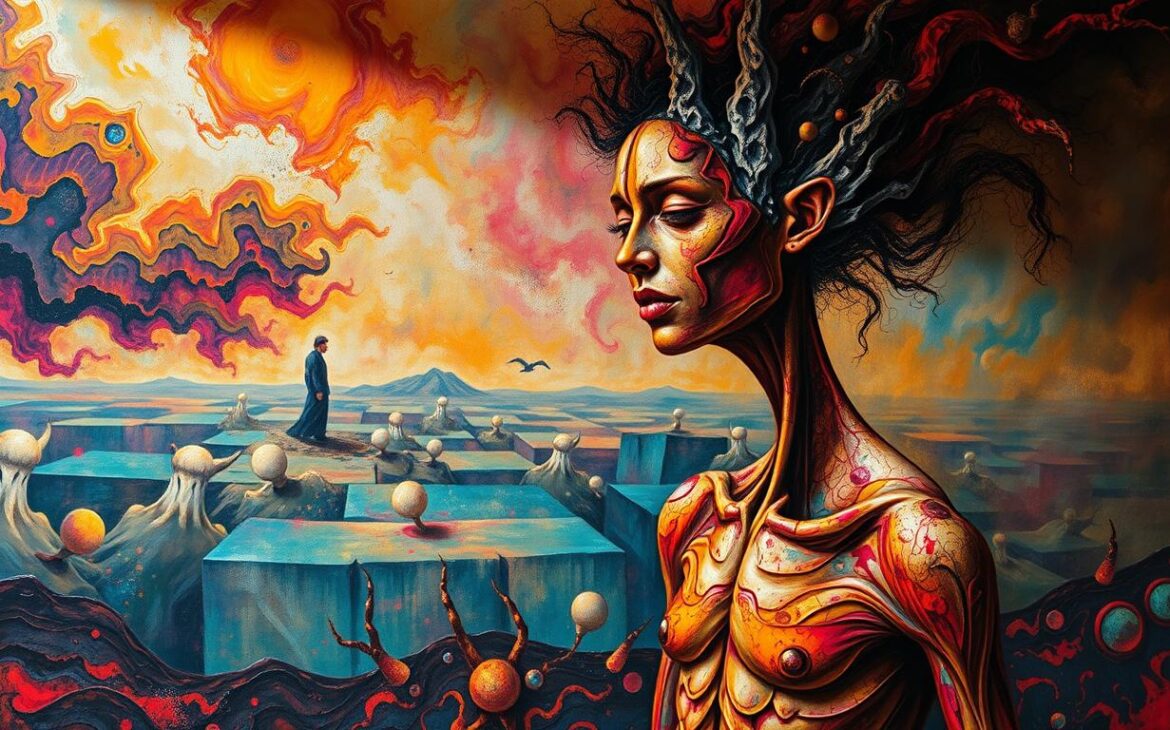
Artists who explore art and psychology often discover hidden parts of themselves. Therapists use similar methods, helping clients express emotions they can’t put into words. This connection shows how art can heal and clarify thoughts.
Every medium, from painting to dance to poetry, offers a way to process life’s complexities. Understanding this link helps us see beyond the surface of art. A sculpture’s jagged edges might show resilience, while a song’s melody whispers hope.
By recognizing these layers, we value art not just for its beauty but as a form of psychological language.
The Impact of Technology on Artistic Expression
Technology has changed how we create, mixing old and new ways. Tools like Adobe Photoshop and Procreate let artists work with ease. This change isn’t just about tools—it’s how art connects with people.
Sites like Instagram and TikTok have become virtual galleries. They connect artists worldwide. But, as Himanshu Bharadwaj points out, this change also brings challenges. Technology makes things faster, but it can’t replace the feeling and instinct in art.
Artists now mix code with canvas, using AI and 3D printers. These new tools open doors but also ask for balance. The future of art is where tech meets human touch. It’s not about replacing old ways but making them bigger.
Tools help artists work faster, but the heart of art stays with the creator. As tech grows, so does the mix of technology and personal touch in art. This keeps art evolving and exciting.
Art Movements and Their Societal Impact
Art movements are more than styles; they change how societies think. From the early 20th century to now, they’ve tackled injustice and questioned norms. They’ve also inspired people to take action.
Dadaism emerged from World War I’s chaos. It used absurd collages and performances to reject tradition. This art movement shocked audiences and challenged authority. It showed that creativity can fuel political critique.
In the 1970s, feminist art turned galleries into places for equality fights. Judy Chicago’s The Dinner Party demanded recognition for women’s contributions. These pieces sparked debates, pushing for legal and cultural changes.
Today, movements like Black Lives Matter inspire murals and digital campaigns. Street art turns public spaces into protest areas. Viral art spreads awareness worldwide. Even now, Climate Art uses sculptures and installations to highlight environmental issues.
“Art movements don’t just reflect society—they rewrite its rules.” – Guerrilla Girls
From Dada’s anti-war slogans to today’s climate murals, art is not passive. It’s a mirror and a catalyst, pushing boundaries until change is seen.
The Intersection of Art and Politics
Art and politics have always been connected. Artists use their work to challenge power and start conversations. Murals, installations, and digital art are ways to express dissent or celebrate resistance.
Banksy’s street art mocks capitalism, while Shepard Fairey’s “Hope” poster supported Barack Obama in 2008. These works show how art can shape public opinion. Artists like Ai Weiwei mix sculpture with activism, drawing attention to government actions through their work.
“Art is the lie that enables us to realize truth.” — Pablo Picasso
Political art also brings people together. Public installations or protest art in cities like Hong Kong or Santiago turn streets into galleries. This visual language helps bridge divides, making complex issues easier to understand.
Artists today use social media to spread their messages quickly. Hashtag campaigns and digital collages reach people worldwide. It’s not just about looks—it’s a call to action, asking viewers to see the world in a new way.
Celebrating Diverse Identities Through Art
Art reflects the rich tapestry of human life. Through diverse identities art, creators share stories that connect us. Every brushstroke, melody, or poem opens our eyes to new perspectives.
Groups like the Pride Foundation show art’s power to change. They turn public spaces into celebrations of diverse voices. This reminds us that art is not just seen, but felt and shared.
When artists work with communities, they spread messages of unity. Street art and online exhibitions spark conversations. Each project is a step toward understanding, showing art’s inclusivity.
Let’s support art that celebrates our diversity. By embracing celebrating diversity art, we build bridges, not walls. The next masterpiece could be yours or mine, shaping a future where every identity shines.