




























Creative inspiration doesn’t come from chasing trends. It grows through deliberate practices. Sports card collectors seek rare chase cards, but base cards form their foundation. Creative minds do the same—focusing on core habits and observing everyday details.
Relationships thrive when nurtured daily. Creativity works the same way. Artists and innovators stay inspired by valuing routine and reflection. This article explores how they balance exploration and fundamentals to keep creativity alive.
Understanding the Creative Mindset
Starting a creative mindset development means being curious, not chaotic. Many people follow trends, like rare baseball cards or short-lived relationships. But real creativity grows by focusing on depth, not distractions.
“The most original ideas aren’t found—they’re nurtured through patience and clarity.”
Being creative means filtering out the noise. Ask yourself: Does this idea bring value, or is it just a fleeting distraction? Just like collectors value common cards for their foundation, creators build on solid concepts.
Knowing yourself is important. Recognize when you’re rushing into trends instead of exploring deeply. True artists, writers, and inventors focus on creative reasoning. They look for ideas that last, not just those that catch attention briefly.
Patience is essential for growth. Building a creative mindset isn’t a quick race. It’s about creating habits that let ideas grow, like tending a garden, not picking flowers for a quick bouquet.
Collecting Inspiration from Everyday Life
Everyday creativity starts with curiosity. A dusty corner store, a pattern in rain puddles, or a stranger’s laughter can all spark creative inspiration. It’s like searching for rare gems in old baseball cards.
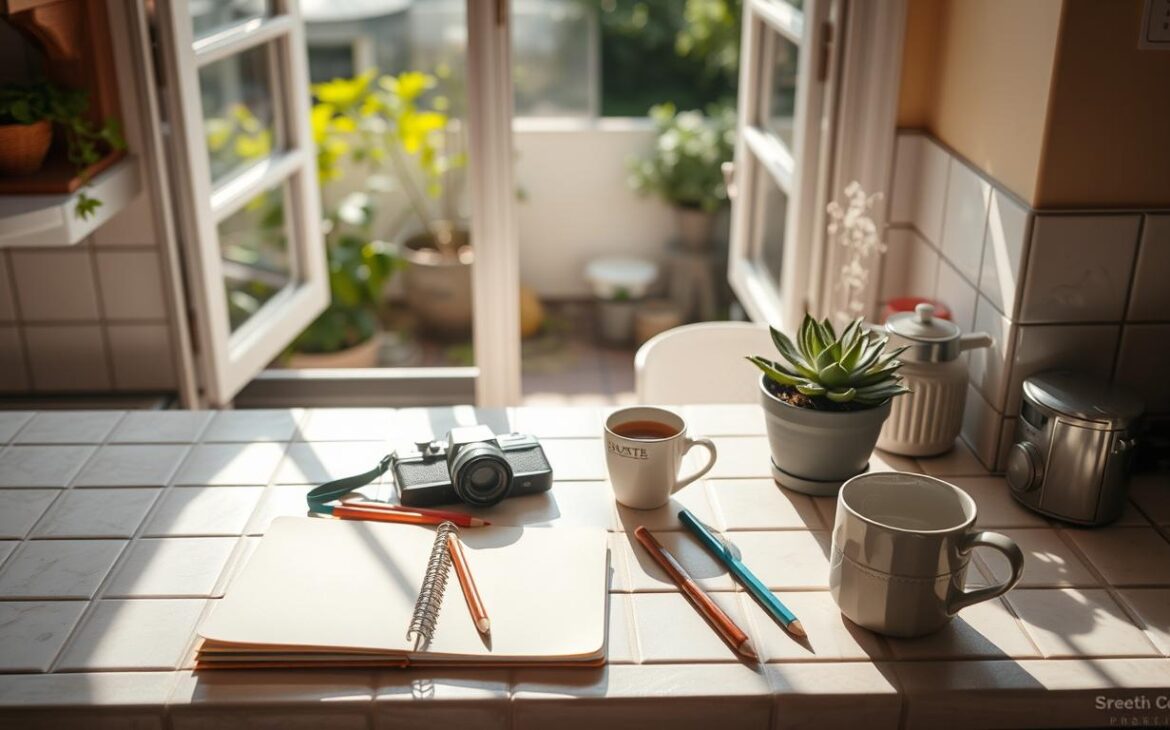
See your surroundings as a treasure map. A coffee stain might look like abstract art shapes. A child’s doodle could start a story. Carry a notebook to write down what you see.
Photographs of street signs or fabric textures can help with future projects. Artists like Banksy turn urban decay into art. Look at everyday objects in a new way.
Keep a box for found objects like ticket stubs, pebbles, or fabric swatches. They can inspire new ideas. Even simple tasks like grocery shopping can spark creativity.
Everyday creativity isn’t about big gestures. It’s about seeing possibilities in the routine. Next time you walk home, notice three things others might miss. That’s where creativity starts.
Building a Creative Environment
A creative environment is like a silent partner in every project. Just as arranging a cherished collection sparks joy, curating your workspace fuels imagination. Start by decluttering surfaces—empty space invites fresh ideas.
Hang sketches, travel postcards, or quotes that ignite curiosity. Plants add life, while soft lighting mimics dawn’s gentle start.
Workspace inspiration thrives on personal touches. Swap harsh fluorescent bulbs for warm lamps. Arrange tools like pencils, paints, or a favorite notebook within reach.
A corner with a canvas, a cozy chair, and inspiring visuals becomes a sanctuary. Even tiny spaces can flourish with vertical shelves or magnetic boards for pinned ideas.
“A room without wonder is a room without purpose.”
Color matters: blues calm, reds energize, while neutrals let ideas take center stage. Add a rug or blanket to define the area as a creative zone. Regularly refresh the space—rotate art, try new layouts, or add seasonal elements.
This ritual keeps inspiration flowing. Your space isn’t just a room—it’s where curiosity meets creation.
Engaging with Other Creatives
Connecting with creatives is a great way to stay inspired. Sharing ideas and experiences opens up new views. Workshops, online groups, and local events make it easy to meet others.
These interactions help solve creative problems together. You learn from each other and get support.
“Alone we can do so little; together we can do so much.” – Helen Keller
Working together often leads to new ideas. Sites like Behance and Instagram let you join global talks. Events like Creative Mornings or webinars help build strong bonds.
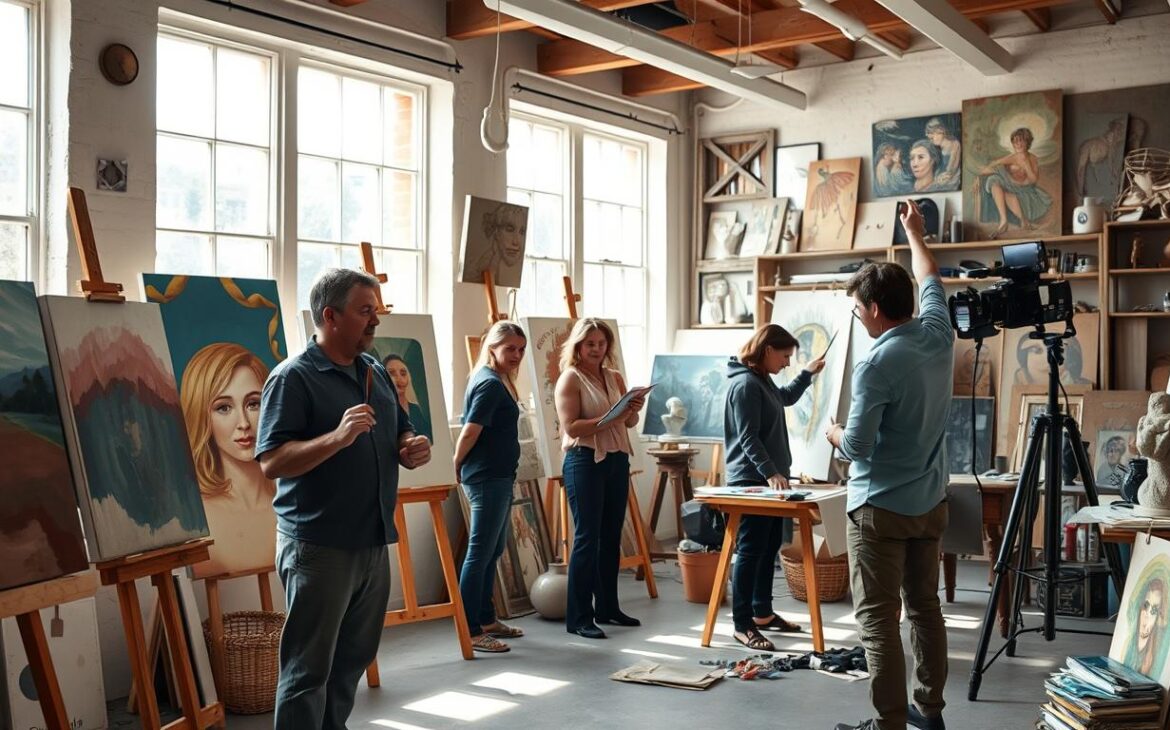
Being part of projects with others brings ideas to life. You learn from different skills and views. Tools like Slack or Trello make teamwork easy.
Feedback from others helps improve your work. It keeps you motivated too.
Seeking out others for creative work is key. Whether in person or online, these connections create a supportive network. Sharing ideas keeps inspiration flowing, showing that together, we can achieve more.
Embracing New Experiences
Exploring new places sparks creativity. Whether it’s visiting a new city or trying pottery, embracing new experiences opens your mind. Each adventure adds to your creative toolbox.
A weekend hike or a chat with a stranger can change your view. It fuels your ideas.
Think of creative exploration as a habit. Collecting vintage postcards or learning a dance form brings novelty. These moments break the routine, making room for new connections.
“Art is the lie that enables us to realize the truth,” said Picasso. This shows innovation grows outside our comfort zones.
Start small: Try a new coffee shop or a workshop not related to your field. Every step outside the usual primes your brain for inspiration. Creativity thrives on curiosity. Let curiosity guide you, and watch ideas grow where you least expect them.
The Power of Routine
Creative habits aren’t about strict schedules. They’re about making space for inspiration to grow. A consistent routine helps artists stay focused, turning ideas into lasting work. Even small daily actions, like journaling or sketching, build momentum over time.

Legendary writer Maya Angelou wrote in hotel rooms every day. Her routine gave her structure, letting her focus on her words. Designers like Jony Ive also start with sketches, using ritual to spark new ideas. These habits make creativity a part of their daily lives, not just a spark.
“Routine, if it doesn’t ramify, can become a dangerous trap.” – Maya Angelou
Good routines mix discipline with flexibility. Set aside time each day for creative work, but also leave room for new ideas. A morning writing session might turn into brainstorming. The goal is to be consistent, not strict.
Studies show that structured routines help reduce decision fatigue. When the basics are set, creativity flows better. This approach works for painters, writers, and musicians. Small daily steps add up to big achievements.
Overcoming Creative Blocks
Creativity can freeze when pressure mounts. Imagine a collector obsessed with a rare card or someone anxious about a first date. Overcoming creative blocks starts with pausing. Take a walk, tackle a small task, or simply breathe. This reset helps clear mental fog.
Reevaluate goals. Are you fixating on perfection? Creative problem solving often means adjusting course. Picasso sketched ideas mid-block to shift perspective. Try brainstorming, collaborate, or revisit old projects. Tools like mind maps or daily journals reignite momentum.
Professional athletes train through slumps—creators do the same. When stuck, try a new medium. Write poetry if stuck on painting. Small wins rebuild confidence. Remember: even J.K. Rowling rewrote early drafts dozens of times. Persistence, not pressure, fuels breakthroughs.
Overcoming creative blocks isn’t a straight path. It’s a cycle of trying, stepping back, and trying again. Stay curious. Every setback is a step closer to the next idea.
The Importance of Reflection
Creative reflection is more than a break from making. It’s how artists find hidden strengths. By reviewing old projects or journal entries, you can spot trends in your work. This practice turns scattered ideas into clear paths forward.

Designers like Sasha Aguilera use daily sketchbook reviews to refine their style. Seeing progress over months shows what inspires you most. Patterns emerge, like preferring bold colors or recurring symbols.
These clues guide future projects with purpose.
Reflection also prevents creative ruts. Reviewing past work reveals habits to keep or change. A simple question like, “Does this idea align with my goals?” keeps inspiration focused.
It’s like pruning a garden—removing distractions lets creativity thrive.
Make reflection a habit. Set aside 10 minutes weekly to review your work. Over time, this practice builds self-awareness. Your next big idea might hide in an old sketch waiting to evolve.
Utilizing Technology for Inspiration
Technology has opened new doors for artists and innovators. Apps and tools today make it easy to bring ideas to life. With digital tools like Canva or Adobe Express, you can sketch, edit, and share instantly.
Platforms like Pinterest and Milanote help organize visual ideas quickly. They save time compared to old methods. AI apps like Runway ML or DALL-E even create design concepts from simple prompts.
“The right tools turn sparks into wildfires.”
Collaboration is also easier with cloud services like Google Drive. They let teams work together globally, sharing drafts in real time. Digital tools also keep track of endless project versions, so no idea is ever lost.
For writers, tools like Grammarly or Hemingway Editor refine drafts instantly. Apps like Evernote save research snippets with a tap. Technology for inspiration is about freedom, letting creators focus on their ideas.
It streamlines workflows, leaving more room for imagination. Embracing these tools means never missing that perfect moment of inspiration again.
Maintaining Passion and Motivation
Creating art or innovation isn’t just about quick energy bursts. It’s about making maintaining passion a daily habit. Many creators find that creative motivation grows when they take small, consistent steps. Even on tough days, small actions keep the spark alive.
“Enjoy the process, not just the product. That’s how you sustain creative motivation.”
Her words teach us that ongoing inspiration comes from curiosity, not pressure. Set aside time each week to try new things. If you write, try pottery. If you paint, sketch a movie scene. These breaks spark curiosity.
Sharing your work with trusted friends can boost your drive. Their feedback can motivate you to keep going.
When doubt hits, remember why you started. A musician might look back at early songs. A designer might sketch without deadlines to find joy again. Celebrate your work, but also the effort it took. Passion grows when you value both.
Lifelong Learning and Growth
Creative inspiration is a lifelong journey of learning and growth. Just as a growing collection evolves with time, your skills expand through continuous improvement. Each challenge becomes a lesson, and every experience adds depth to your creative voice.
Stay curious to fuel creative growth. Explore new tools, study art from masters like Picasso or Kahlo, and adapt ideas to your style. Learning never stops—it’s in workshops, online courses, or simply observing the world. Embrace change to keep your work fresh and meaningful.
Think of creativity like nurturing a garden. Water it with knowledge, prune old habits, and watch ideas bloom. The path ahead holds endless opportunities—keep experimenting, learning, and growing. Your creative journey is a story that’s always unfolding, so let every day be a step forward.