

























Imagine an idea sparking and turning into movement. Inspiration in dance is more than just thinking—it’s a physical journey. Dancers like Irene Dowd and Lynn Martin show how breathing and movement are connected.
Experts like Maria Bai say mindful breathing makes dance come alive. When dancers focus on their breath, their movements become expressive and connected. This connection between breath, body, and art brings inspiration to life.
Understanding the Concept of Inspiration
Inspiration is more than a feeling; it’s a powerful connection between our mind and body. For dancers, it’s the energy that moves through every breath and step. Mindful breathing connects our thoughts to our actions, turning ideas into real movements. When we breathe deeply, our bodies move freely and clearly.
Irene Dowd, a famous dance teacher, says that good breathing changes how we dance. She notes,
“Proper breathing adds life to dance performance.”
Studies back her up, showing that mindful breathing helps dancers move better and longer. By matching breath with movement, dancers bring inspiration to life in every step. This makes their performances feel real and full of life.
Think of breath as the rhythm in a dancer’s body. It sparks creativity and keeps artists in the moment. Mindful breathing removes tension, letting inspiration flow freely. This simple practice can help anyone unlock their creative side.
The Role of Dance in Expressing Inspiration
When dancers move, their bodies tell stories. Techniques like breath coordination make each step a creative expression. This connects physical movement with emotion.
Teachers like Lori Belilove and Maria Bai show how breath powers movement. It gives each gesture a deeper meaning. A dancer’s hands can flow like water, turning steps into visual language.
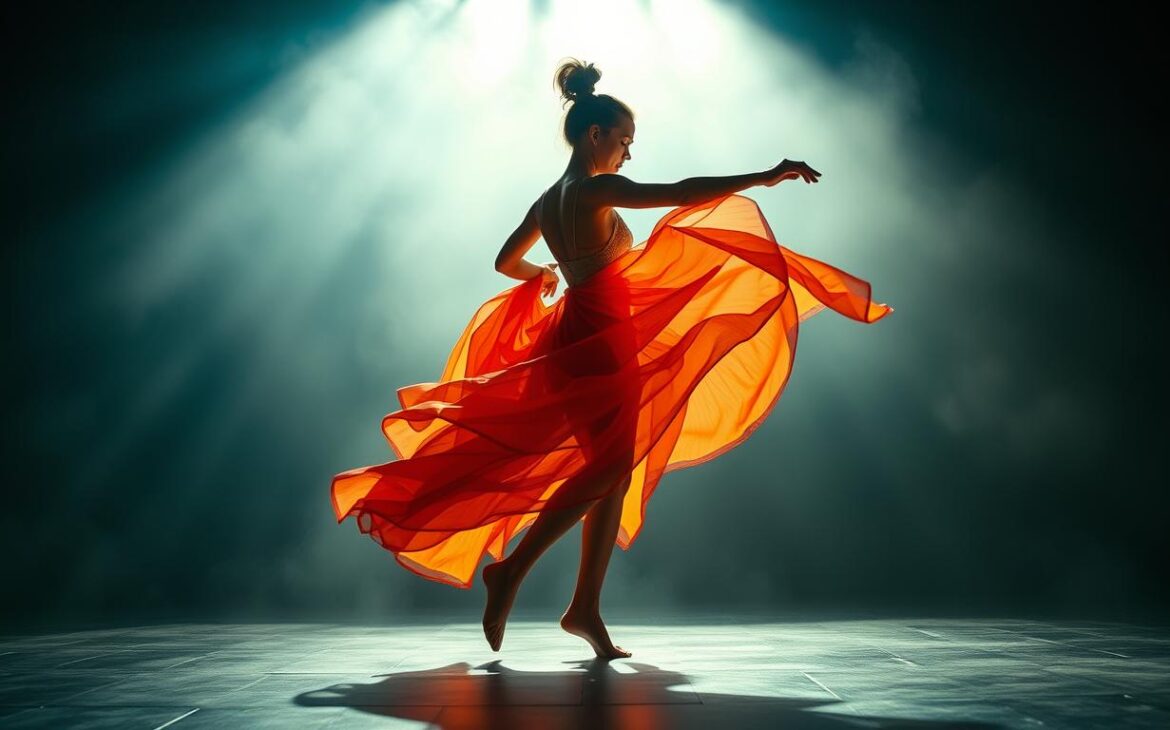
“Breath is the rhythm of the soul. When we align it with movement, inspiration becomes visible.”
Dance, whether classical ballet or contemporary improvisation, uses this connection. Dancers mix skill with emotion, turning stages into art. Modern choreographers blend styles, showing inspiration thrives without rules.
This mix of breath, muscle, and intent lets art speak louder than words. It invites audiences to feel ideas as much as see them. Dance doesn’t just entertain; it shares inspiration with all of us.
The Breath as a Medium for Inspiration
Every time we breathe, it affects how we move. In dance, breathing is more than getting oxygen—it’s a key to physical movement. Experts say deep breathing opens up our chest, allowing for smooth movements.
This connection makes our breath guide every step and turn. It’s like an invisible thread.
“Movement without breath is like a melody without rhythm.” — Martha Graham’s teachings emphasize this harmony.
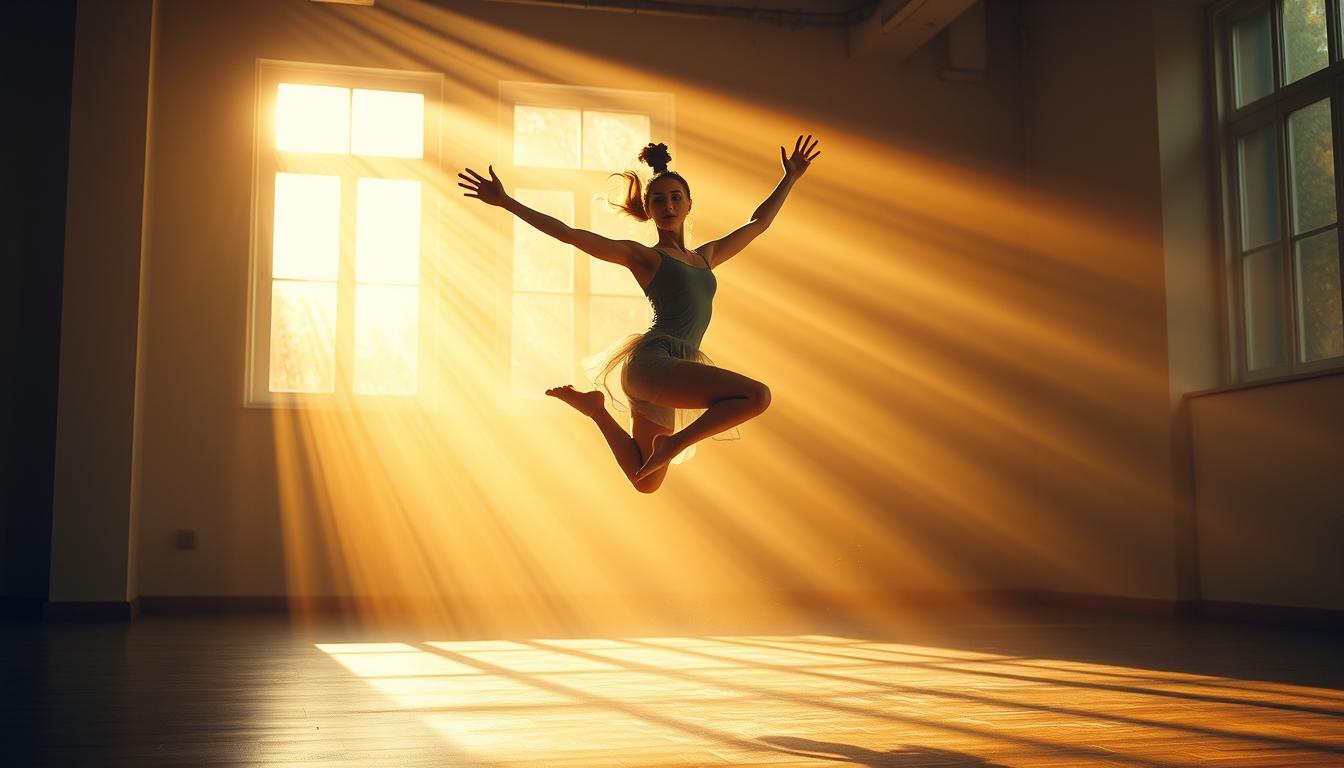
When dancers match their breathing with movement, their performances become more powerful. Taking a deep breath before a leap builds up energy. This way, the leap feels explosive and natural.
Studies show that breathing in sync with movement makes it look easy. It’s not just about technique—it’s about art.
Learning to breathe in rhythm turns our bodies into instruments. Every breath adds to the story we tell through dance. Whether it’s contemporary or classical, breathing is essential to the art.
Emotional Release Through Physical Movement
Moving the body through dance technique can melt away stress and unlock trapped emotions. When muscles flow in purposeful patterns, tension dissolves—like steam escaping a boiling pot. Choreographed steps become a language for feelings too heavy for words.
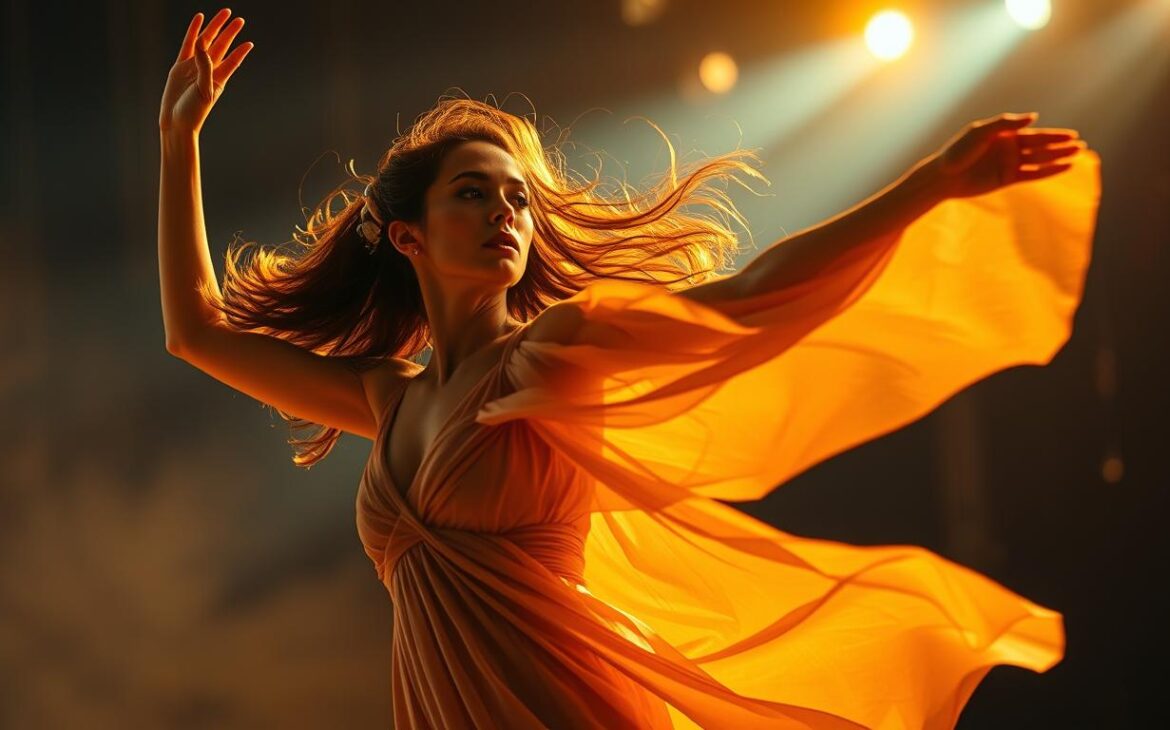
Lynn Martin, a renowned movement therapist, notes how mindful dance technique shifts energy. “Let your limbs fall like water,” she advises dancers, “to release stored anxiety.” Proper alignment and breath sync in routines like fluid contemporary work guide emotions outward. The body’s natural rhythms mirror the mind’s need for release.
Practice shows that structured movement transforms inner turmoil into artistry. A study in the Journal of Dance Medicine found that 78% of participants reported reduced stress after regular technique sessions. This isn’t just exercise—it’s emotional cleanup. When steps are learned with care, they channel frustration into grace, fear into power.
Emotional blocks fade as dancers master controlled leaps or grounded floor work. The body’s physical freedom becomes a mirror for mental clarity. Mastering technique isn’t just about skill—it’s a pathway to emotional honesty.
Exploring Creative Expression in Other Arts
Core stabilization isn’t just for dance. Theater actors use it to project their voices and stay on stage. Musicians, like Yo-Yo Ma, need a strong core to play better. Even painters use it to stay balanced while painting.
“The body’s core is the foundation of any artistic discipline.” — Maria Rivera, New York-based movement director
Imagine a violinist holding a bow for hours. Their core stability helps them play with precision. Sculptors use deep breathing to lift heavy materials safely. Classes in yoga or martial arts can also improve your core and creativity.
Looking at how different arts overlap can be inspiring. Theater groups now use dance in rehearsals. Musicians learn Alexander Technique to better use their core. By exploring different arts, artists find new ways to express themselves.
The Physical Benefits of Moving with Inspiration
Mindful movement does more than fuel creativity—it strengthens the body. When breath and motion sync, core muscles engage fully. Research shows this coordination boosts intra-abdominal pressure, improving spinal support and core stability.
Imagine dancing or walking with deliberate focus: each step reinforces posture and balance.
Improved body awareness reduces injury risk. By tuning into physical sensations, you notice tightness or strain early, preventing overexertion. A 2022 study in the Journal of Sports Medicine found athletes using breath-focused routines cut injury rates by 30%.
Even simple movements like walking mindfully can strengthen muscles and joints.
Endurance rises when the body moves with intention. Synchronized breathing lowers stress on muscles, letting you sustain activity longer. Yoga practitioners often note this effect—flowing through poses with awareness builds stamina.
This connection between breath, posture, and motion creates a stronger, more resilient physique.
Body awareness isn’t just for athletes. Daily activities like walking or stretching become opportunities to build strength. The mind-body link forged through inspired movement creates lasting physical benefits, from better balance to enhanced coordination.
It’s a natural way to care for both creativity and health.
Mindfulness and Body Awareness
Mindfulness practices like yoga and Pilates connect the mind and body deeply. This connection helps artists stay focused on each movement’s purpose. For dancers, it means perfecting poses and transitions. Artistic expression grows when the body moves with purpose.
Yoga teaches us to breathe with our movements, strengthening the mind-body bond. Dancers use this to align their posture and rhythm, making their moves feel natural. Pilates helps control the core, making transitions smoother. This awareness turns physical actions into stories.
Body awareness also keeps artists safe and boosts their creativity. Dancers who listen to their body’s signals move more naturally. This natural movement sparks creativity, a key part of artistic expression. Fitness experts say that mindful training sharpens focus, allowing artists to express emotions through precise or fluid movements.
Cultural Influences on Movement and Inspiration
Cultural traditions shape how we move and find inspiration. In India, classical bharatanatyam combines precise footwork with controlled breathing. West African dance, on the other hand, focuses on rhythmic hip movements and communal storytelling. These styles reflect the values and histories of each society.
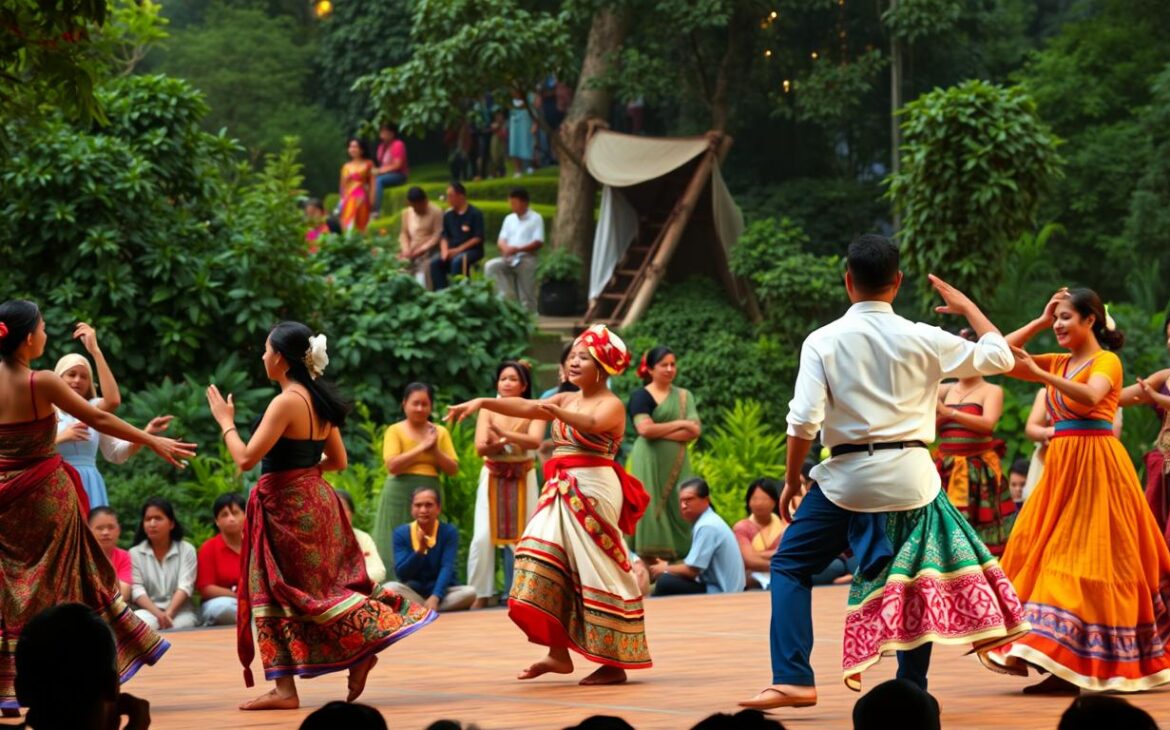
Ballet and contemporary dance show different cultural ideals. Ballet’s structured poses reflect European courtly elegance. Contemporary dance, with its fluid improvisation, mirrors modern individualism. Breathing patterns also vary, like in Japanese butoh dancers’ slow, deep inhales and Flamenco singers’ sharp, staccato breaths.
“Movement is a language that evolves with culture, each tradition teaching us how to breathe and express differently,” notes cultural anthropologist Judith Hanna.
These differences highlight that inspiration is not universal. It’s a dialogue between our bodies and heritage. Exploring global dance styles shows how culture shapes our movements and connections between mind and body. This understanding helps us move with purpose, blending tradition with personal expression.
How to Cultivate Inspiration Through Movement
Start small to build mindful habits. Pair each breath with a step, a stretch, or a turn. Inhale as your arms rise, exhale as they fall. This simple connection keeps focus sharp and creativity flowing.
Try dance phrases timed with your breath. Count four counts to inhale, four to exhale. Match this rhythm to movements like leaps or spins. Over time, this sync strengthens both body and imagination.
Many dancers use yoga or Pilates to stretch limits. These practices boost breath control, letting you move longer and deeper.
Practice daily. Spend five minutes each morning linking breath to basic stretches. Gradually add complexity. Notice how awareness grows. Experts suggest consistency turns these steps into second nature. Soon, inspiration becomes a habit, not a fleeting moment.
The Neuroscience of Inspiration and Movement
Scientists are learning how our brains turn ideas into actions. Things like dance or breathing are more than just movements. They are guided by complex brain paths.
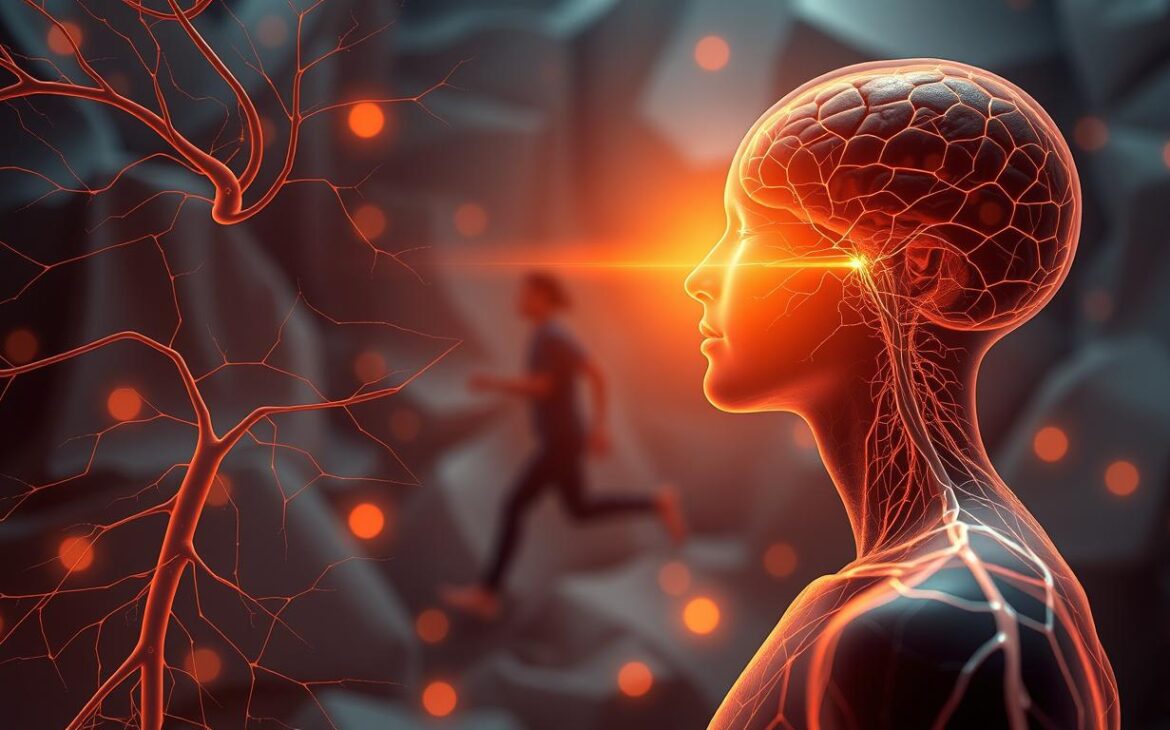
Deep breathing can wake up parts of our brain, helping us focus. Studies show that even small changes in breathing send signals to our muscles. This improves how we move and even boosts creativity.
“The brain’s motor cortex bridges intention and action,” says Dr. Elena Torres, a neuroscientist at Stanford University. “Every inhale primes the body to move.”
“Artistic expression and biology share a hidden language,” says Torres. “When we dance, the brain’s rhythm and body’s motion sync into one flow.”
These discoveries show why mindful practices are so powerful. As we practice, our brain paths get stronger. This makes inspired movements feel natural over time. It shows how biology and creativity go hand in hand.
Conclusion: Embracing the Flow of Inspiration
Inspiration is more than a spark; it’s a journey that fills every breath and movement. It turns dance and mindful breathing into a canvas for creativity and connection. By linking breath to motion, emotions are released, and culture shapes our expression.
Begin with small steps. Try matching your breath to your movements while walking or stretching. Let your creativity guide you, whether through dance, art, or writing. Even short mindful practices can boost focus and energy.
Stay open to inspiration. Notice how your body reacts to music, nature, or new experiences. Share your journey by teaching a friend a breathing technique or joining a class. Every breath and step keeps the flow alive, turning inspiration into action.