



























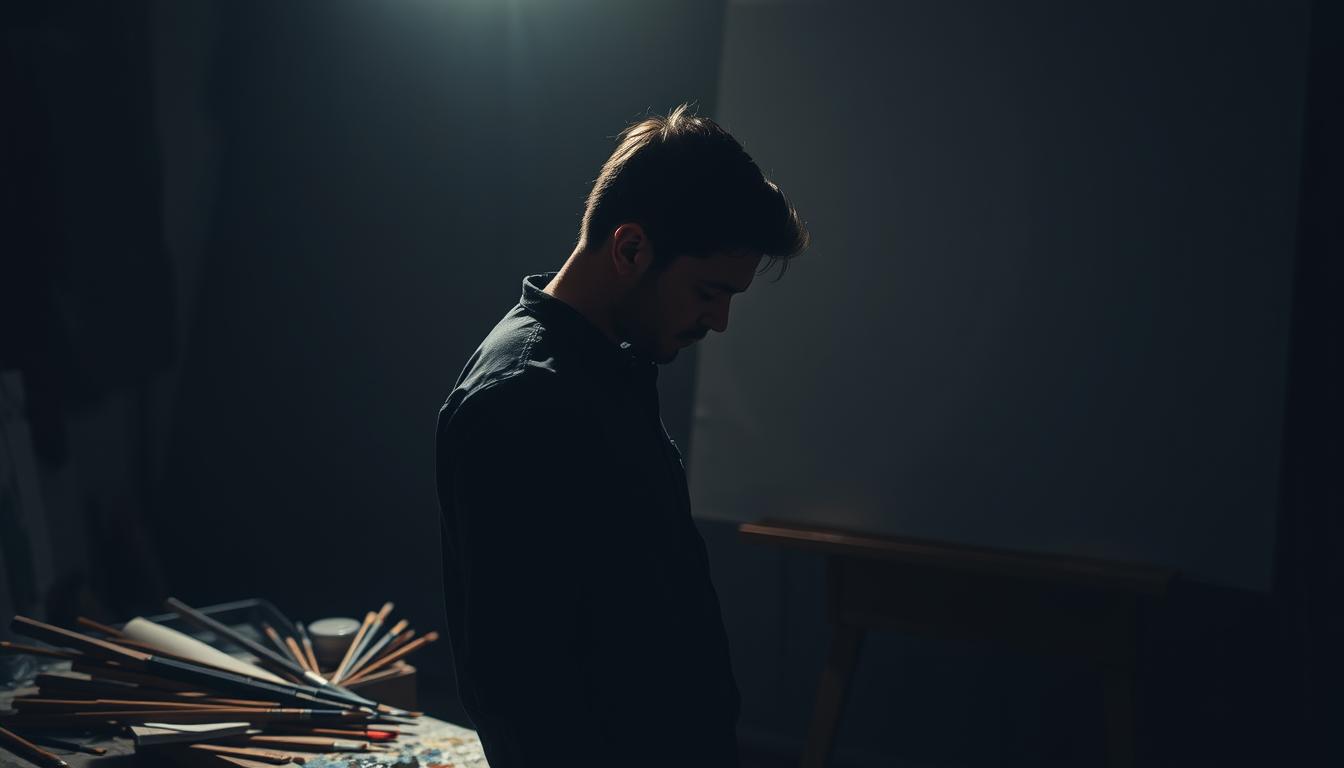
Every artist, writer, or creator faces moments of doubt. Studies show that uncertainty is normal, not a sign of failure. Even big names like J.K. Rowling and Picasso doubted themselves before they became famous.
Research shows that accepting uncertainty is important. Letting go of the need for perfection helps. Taking small steps, like sketching for 10 minutes a day, can build confidence and keep you going.
Understanding Creative Doubt
Creative doubt isn’t a flaw—it’s a common experience many creators face. Understanding creative doubt starts by recognizing it as a mix of uncertainty and fear. This mindset often halts progress, making even seasoned artists question their work. Research shows such doubt shares traits with anxiety linked to job insecurity, where the unknown feels overwhelming.
Scientists note that overthinking during projects can shrink confidence. For instance, a writer might second-guess word choices, delaying finishing a draft. This cycle traps the mind in endless revisions. Yet, this process isn’t all negative. It signals a desire for quality, not a sign of failure.
“Doubt is the shadow creativity casts—acknowledge it, then move forward.”
Learning to name these feelings is key. Journaling thoughts or discussing them with peers turns vague anxiety into manageable pieces. By understanding creative doubt, you transform a barrier into a tool for growth. Every creator, from novelists to painters, has faced this. The goal isn’t to eliminate doubt but to navigate it without letting it control your process.
Embracing Your Feelings
Feelings like doubt or fear can seem like obstacles. But, they can also be powerful tools if you learn to accept them. Kristin Neff’s research shows that self-compassion grows when you acknowledge your emotions. Embracing emotions in creativity means seeing sadness, joy, or frustration as fuel, not flaws.

Artists and writers often turn their pain into masterpieces. Think of Van Gogh’s bold strokes, shaped by his turbulent emotions, or Maya Angelou’s poems that reflect her resilience. Your feelings are not distractions; they are part of your creative voice.
“Emotions are the mind’s paintbrush; they color every idea you create.”
Try naming your emotions before starting a project. Journaling or a quick check-in can help you channel your feelings into your work. Anxiety about a painting? Let it sharpen your focus. Boredom with a story? Use it to try unexpected twists.
When you embrace emotions in creativity, decisions become clearer. You stop wasting energy resisting and start using every feeling as a creative resource. This shift builds resilience and makes your work uniquely yours.
Creating a Supportive Environment
A supportive creative environment turns doubt into possibility. Start by making a workspace that helps you focus. A messy desk or dim light can block ideas. But a clean space with natural light can energize you.
Choose tools that feel right, like a comfy chair or a tablet for drawing. Arrange things to inspire you.
Be around people who support your work. Online groups like Behance or local workshops offer valuable feedback. Working with others builds trust, making you feel more secure.
“Creativity grows when we stop judging and start being curious,” a 2022 study found.
Don’t overlook the little things. Listen to music, post inspiring quotes, or keep a journal. These touches show this space is yours, free from judgment.
When doubt hits, a well-thought-out environment tells you, “You belong here.”
Establishing a Routine
A consistent creative routine guides you when doubt strikes. It turns uncertainty into clear steps, allowing creativity to flow freely. Set aside specific times for creating, like mornings or late nights, when you’re most energized.
Balance work with breaks to prevent burnout. Take short pauses, like 10 minutes to stretch or breathe, between tasks. Remember, your creative routine should be flexible. Adjust it weekly to fit your needs.
Try new tools like bullet journaling or apps like Notion to track your progress visually. This helps you see how far you’ve come.
“Play is the highest form of research.”—Albert Einstein
Make play a part of your creative process. Doodle during breaks or try a new medium each week. These small changes keep your habits exciting without expecting perfection.
Consistency is key; even 20 minutes a day can make a big difference over time. Keep track of what works for you with a simple checklist. Celebrate each session, not just the results. As time goes on, this rhythm becomes natural, helping you trust your creative journey.
Setting Realistic Goals
When doubt creeps in, big ambitions can feel out of reach. Focus instead on realistic creative goals that align with your current abilities. Small, clear targets build momentum without overwhelming you.
“Goals are the fuel in the furnace of achievement.” — Brian Tracy
Start by dividing large projects into daily or weekly tasks. A painter might sketch one section at a time instead of aiming for a finished piece overnight. Flexibility is key—adjust plans if unexpected challenges arise.
Track progress with a notebook or app like Trello to stay motivated. Celebrate completing each step; every milestone brings clarity to your vision. Realistic creative goals turn doubt into steady progress, proving that consistent effort leads to meaningful results.
Finding Inspiration
When doubt clouds your creative process, look to the world around you. Creative inspiration often hides in ordinary moments—a sunset, a conversation, or even a walk through a park. Artists like Georgia O’Keeffe found beauty in deserts and flowers, proving inspiration thrives where we least expect. Let go-to sources like museums or books spark new ideas. 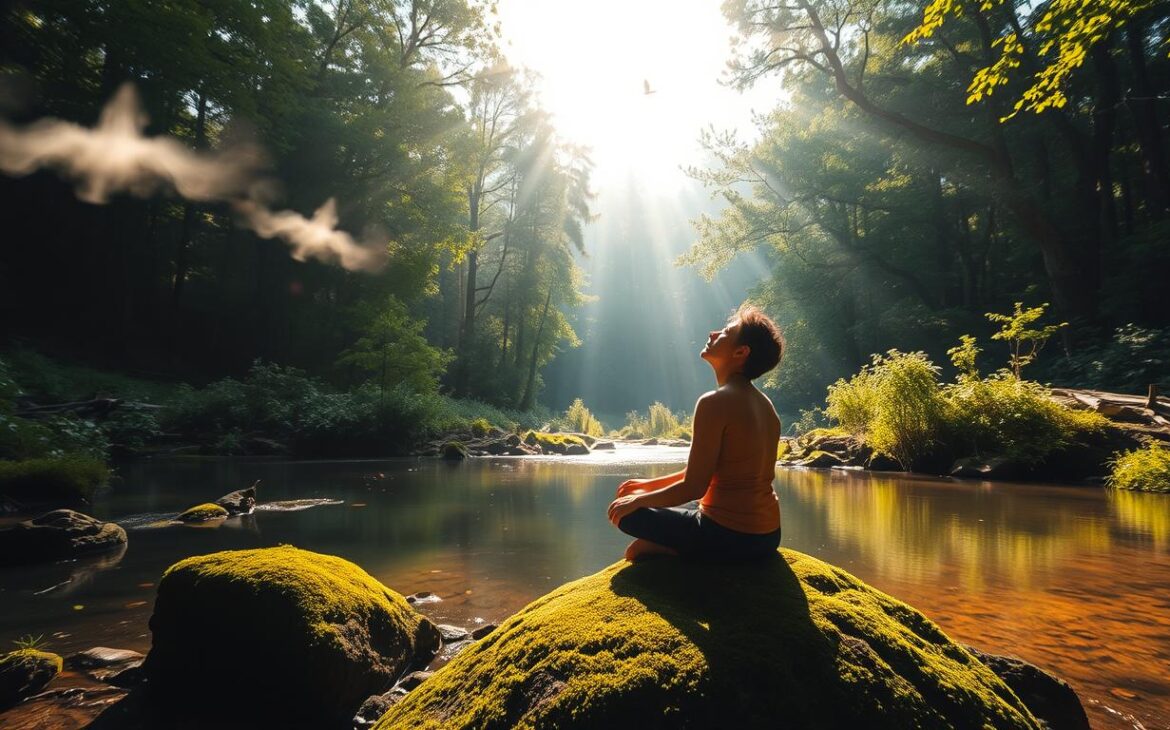
Visit local galleries or flip through art catalogs to reconnect with your passion. Nature offers endless possibilities—watch how light changes on water or how trees sway. These observations can fuel projects in any medium. Keep a notebook to jot down fleeting thoughts; even small details matter.
“Nobody sees a flower—really—until he or she sees its beauty.”
Turn to podcasts or TED Talks by creatives like Austin Kleon or Elizabeth Gilbert. Their stories remind us inspiration isn’t always grand—it grows from curiosity and persistence. Try new hobbies: baking, hiking, or even rearranging a room. Novel experiences shake up routines and unlock fresh perspectives.
Remember, creative inspiration isn’t scarce. It waits in everyday interactions, conversations, and even challenges. Let curiosity guide you, and doubt fades as you embrace the world’s hidden wonders.
Engaging in Mindfulness Practices
Mindfulness for creatives is a simple way to quiet your mind and connect with your true self. Even a minute of focused breathing can change your mindset. This practice helps you watch your thoughts without letting them stop you.
Try a five-minute meditation each day. Sit quietly and notice thoughts as clouds passing. Breathing exercises, like inhaling for four counts, then holding and exhaling, keep you grounded.
Take breaks during work to stretch, look outside, or simply notice your surroundings. Mindfulness for creatives is about being consistent, not perfect. Small breaks can refresh your focus and turn anxiety into clarity.
With time, these practices lessen self-judgment. Creativity grows when you approach work with curiosity, not pressure. Let mindfulness be your steady friend, not another task to master.
Connecting with Other Creatives
Sharing your creative journey with others can turn doubt into shared discovery. Connecting with other creatives opens doors to feedback, inspiration, and support. When you join a group, your ideas grow through conversations and critiques.

Start by exploring online communities like Behance or DeviantArt, where artists post work and exchange ideas. Local workshops or co-working spaces, such as WeWork or community art studios, offer face-to-face interactions. Even social media groups focused on creative fields can spark new perspectives. Feedback loops here help refine your craft while reducing the weight of self-doubt.
Collaborative projects with peers amplify creativity. Pairing with a writer might inspire a visual artist to try storytelling, while a musician could find new rhythms through dance. Platforms like LinkedIn groups or Reddit’s r/creatives let you network globally. Every connection builds confidence and fuels fresh ideas.
Remember, every creative once felt unsure. Reach out—it’s where magic happens.
Reassessing Your Creative Journey
Regular creative journey reassessment keeps your work on track with your goals. It’s like checking a map while hiking. Adjusting your path helps you reach your destination. Many artists review their work monthly to see how they’re doing and find what’s holding them back.
This practice makes things clearer by 40% and cuts down on burnout.
“Growth happens when we pause to reflect,” says designer and TED speaker Brené Brown. “Reassessing isn’t failure—it’s evolution.”
Begin by making a list of projects that really got you excited and those that felt like a chore. Look for patterns, like “I love painting, but writing is hard for me.” Use this info to change your focus. For example, if collage is now your passion, switch from traditional oil painting to mixed media.
This isn’t about being perfect. It’s about being honest with yourself.
Here’s what to do: 1) Look back at your work from the last 6 months. 2) Mark three things you did well and three things that were tough. 3) Think of one small change to try next month. Creativity coach Courtney Cantele suggests writing a letter to your future self to figure out what’s important.
Remember, reassessment is a tool for growth, not a final judgment.
Exploring New Mediums
Trying something new can spark your creativity. When self-doubt holds you back, exploring new creative mediums can help. A painter might try digital art, or a writer could perform their stories.
Trying new creative mediums makes your brain work in new ways. For example, a musician might write poetry, finding rhythms in words. A photographer could sculpt clay, mixing 2D and 3D art. Each new try builds your skills and confidence.

Begin with small steps—a 10-minute sketch or a blog post about your favorite song. Tools like Procreate or Canva can help you explore digital art. Even small experiments can show you hidden strengths. Remember, artists like Picasso and Banksy grew by trying new things.
When doubt hits, curiosity leads the way. New mediums turn uncertainty into discovery. They show that creativity isn’t limited to one way. Every small step proves that growth comes from trying the unknown.
Celebrating Small Wins
Every brushstroke, word written, or line of code counts. Celebrating small wins fuels momentum. Doubt fades when you notice progress.
A completed sketch? A draft finished? These are milestones worth acknowledging.
Track your journey with a progress journal or checklist. Crossing off tasks reminds you of effort and growth. Celebrating creative wins isn’t about perfection—it’s about honoring persistence.
Share your wins with a creative community or simply pause to savor them alone. Reward yourself: a favorite coffee, a walk, or a creative tool. These moments reinforce that effort matters.
Each small victory builds confidence. Over time, these wins turn into a chain of achievement. Remember, creativity thrives on encouragement—start by celebrating the steps, not just the finish line.
Overcoming Fear of Failure
Every creator faces moments where fear of failure threatens to stop progress. But remember: even iconic innovators like J.K. Rowling or Steve Jobs once doubted their work. The key is to reframe setbacks as lessons, not endpoints.
When a project doesn’t go as planned, ask: What can I learn here? This mindset shift turns obstacles into tools for growth.
Start small. Share a draft, sketch, or idea with a trusted peer. Platforms like Behance or Skillshare make it easy to post work and receive feedback. Treat each critique as a chance to refine your skills, not a judgment of your worth.
Consistent practice, as discussed in earlier sections, builds resilience. Progress isn’t linear—every attempt brings you closer to your goals.
Remember the routines and supportive networks mentioned earlier? Pair them with curiosity about outcomes. When you finish a project, celebrate the effort, not just the result.
Think of failure as part of the journey, not the final destination. Creativity thrives when you embrace uncertainty and keep moving forward. Your next idea could be the start of something extraordinary—so take that first step.