




























Every artist faces moments when criticism feels like a roadblock. Rejection doesn’t define your talent—it’s a step toward growth. Many creators, like Vincent van Gogh, faced setbacks before their work gained recognition. Artistic recovery starts with seeing rejection as part of growth, not an end.
Separating your self-worth from your art is key. Even Frida Kahlo transformed pain into iconic masterpieces. This guide shares real strategies to rebuild confidence and reignite creativity, turning setbacks into opportunities for artistic recovery.
Art is a journey filled with ups and downs. By focusing on small steps, like sketching daily or exploring new techniques, you reclaim your creative voice. Every artist’s path includes learning how to return to art after rejection—this article shows you how.
Understanding the Pain of Rejection
Artists often feel rejection as a blow to their identity. When a gallery declines a piece or an audience reacts coldly, the sting is real. Understanding rejection begins by acknowledging this pain without judgment. It’s not a reflection of your talent but a normal part of the creative journey.
“Every ‘no’ gets you closer to a yes worth celebrating.” – Creative resilience expert Angela Lee
Society pressures us to see rejection as failure. Yet even icons like J.K. Rowling faced multiple rejections before publishing Harry Potter. These stories show overcoming rejection starts with seeing setbacks as feedback, not final verdicts. Many artists journal their emotions to process disappointment constructively.
Emotional vulnerability is natural. Naming the fear—“What if they hate my work?”—is the first step toward healing. Therapists suggest sharing struggles with trusted peers to reduce isolation. Over time, this builds resilience against future critiques.
Small actions matter. Writing down three lessons from each rejection helps reframe it as growth. Remember: every “no” carves space for new opportunities. The goal isn’t to avoid pain but to learn from it.
Shifting Your Mindset
Rejection can make artists doubt themselves. To get past this, change your mindset. Instead of fearing failure, be curious about growing.
Think of every “no” as a chance to learn. Ask yourself, “What can I learn here?”
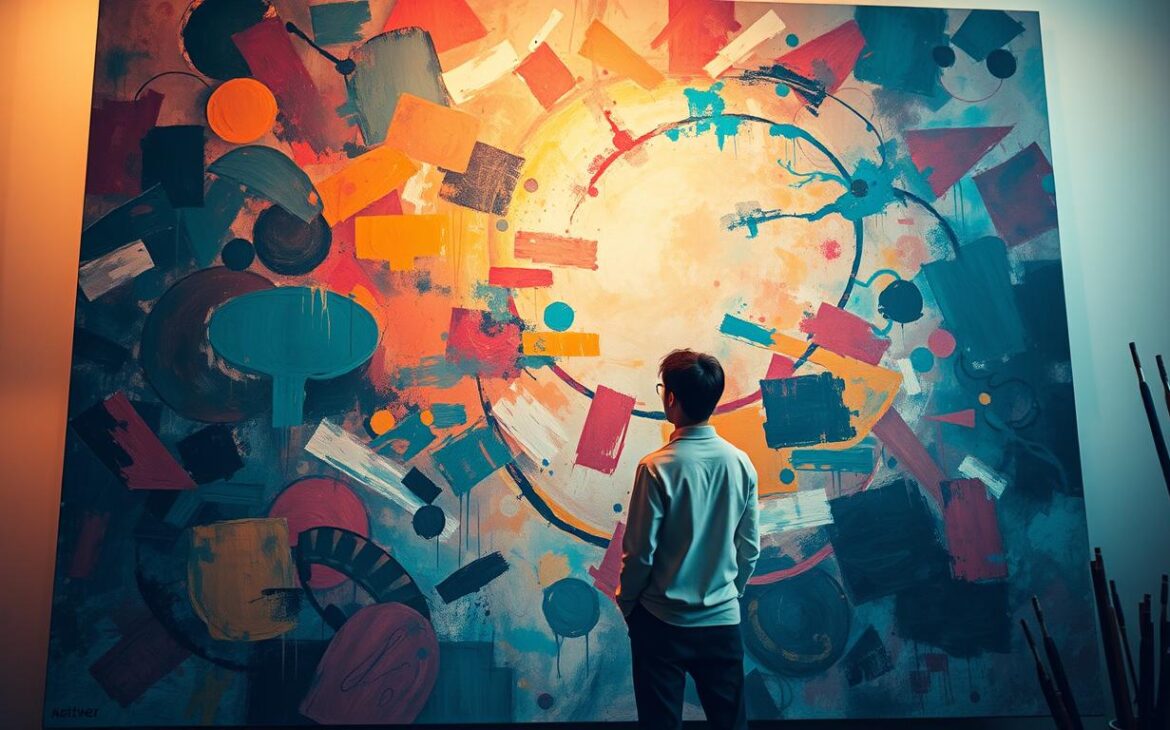
Starting a creative mindset is about making small changes. Write down negative thoughts each day. Change them into positive ones, like “I’m learning.” This helps build your strength.
Look at Georgia O’Keeffe, who turned criticism into motivation. She painted bigger flowers to show her vision.
Instead of needing to succeed, choose to create. This shift puts your passion first, not perfection. Changing your mindset turns obstacles into steps to mastery.
The aim isn’t to avoid rejection. It’s to use setbacks to grow, not stop you.
Finding Your Creative Fuel
Rediscovering your creative fuel begins with reconnecting to your art’s core. Look through old sketchbooks or unfinished projects. They can reveal your first artistic inspiration.
Be curious and try new things. Mix charcoal with digital art or explore unknown techniques. This can spark new ideas.
Nature walks, journaling, or everyday moments can rekindle your passion. A stroll in the park or a gallery visit might inspire you. Try hobbies outside your usual realm, like music, cooking, or photography.
Stepping back can also refresh your view. It allows new ideas to emerge.
Your creative fuel is special. It might stem from late nights, childhood memories, or daily activities. Embrace what energizes you, whether it’s painting, writing, or sculpting.
Trust that your artistic inspiration comes from experiences that touch your soul. Embrace exploration over pressure. Let rediscovery be your next masterpiece.
Building a Support Network
Every artist needs a support network to thrive. Connecting with peers, mentors, or online communities turns isolation into inspiration. A strong artistic support network offers more than praise—it provides honest feedback and emotional backing when self-doubt creeps in.
Start small. Attend local gallery openings, join virtual workshops, or search for artist collectives like Artists for Equality or Creative Rebels. These spaces let you share work safely and gain constructive insights. Mentors who’ve navigated rejection themselves can guide you through setbacks, transforming criticism into growth.
“In a good support group, your failures become stepping stones, not roadblocks.”
Online platforms like Behance or DeviantArt foster global connections. Post drafts, ask for critiques, and engage in forums. Even casual chats with fellow creators build confidence. Remember: isolation feeds fear, while collaboration fuels courage.
Grow your network steadily. Attend webinars hosted by National Arts Strategies or follow social media groups focused on creative resilience. Sharing struggles openly strengthens bonds—and your art. Every conversation is a chance to learn and remind yourself you’re never alone.
Setting New Goals
After a setback, setting new goals can spark your creativity again. Think about what you love—your passions, skills, and growth. Set creative goals that match these, like mastering a new technique or finishing a project each week.
Start with small, doable steps. Break big dreams into tiny tasks. For instance, spend 30 minutes a day drawing or take a class to learn something new. Keep track of your progress in a journal to stay inspired. Celebrate every small win.
Don’t seek approval from others. Focus on improving your skills and enjoying the journey. Change your thinking from “Was I accepted?” to “Did I grow today?” This way, setbacks become chances to grow and achieve your creative goals.
Practicing Self-Compassion
Art creation often demands vulnerability. When rejection strikes, it’s easy to blame yourself. Yet, self-compassion in art is a lifeline. It starts by treating yourself with kindness, just as you would a friend.
“Self-compassion is the emotional alchemy that turns pain into resilience.” – Kristin Neff, self-compassion researcher
Hard work doesn’t define your value. Remember, your worth exists beyond outcomes. When critiquing your work, ask, “Would I speak this harshly to someone else?” Replace “I failed” with “This is challenging right now.”
Journaling can help reframe negative thoughts. Write down frustrations, then rewrite them with kindness. For example: “My painting isn’t perfect yet” instead of “I’m a disappointment.” Small shifts build mental space for growth.
Set boundaries between your identity and your art. You are not your work. Celebrate effort, not just results. This mindset fuels resilience, letting creativity flow without fear of judgment.
Self-compassion in art isn’t selfish—it’s essential. When you nurture kindness toward yourself, your creative process thrives. Every step forward, no matter how small, deserves acknowledgment.
Re-evaluating Your Work
Start by stepping back from past emotions when re-evaluating your work. Look at your art with fresh eyes. Ask yourself what techniques made you proud and where you’d make changes.
Artwork evaluation is about growth, not judgment. A sketch that once felt rejected might now show hidden talent when viewed objectively.
Try laying out pieces side by side. Notice patterns like colors, themes, or styles that show your unique voice. Highlight 1–2 strengths in each piece and 1 area to explore next.
This turns criticism into curiosity. Many artists, like Georgia O’Keeffe, turned rejections into chances to improve their vision.
“I found I could say things with color and shapes that I couldn’t say any other way.”
Use mood boards or feedback circles to stay honest. Share your work with peers who ask questions, not judge. Their fresh insights can reveal strengths you missed.
Remember, every artwork evaluation is a step forward, not a final grade. Let this process guide your next creative moves with clarity, not pressure.
Seeking Professional Growth
Artists facing rejection can turn setbacks into stepping stones through seeking professional growth. Workshops at places like The Art Students League or online courses on Coursera offer hands-on training. These opportunities help build confidence by filling gaps in technical knowledge.
Professional artistic growth often starts with small steps. Platforms like Skillshare provide affordable classes on digital art or sculpture techniques. Mentorship programs, like those offered by the National Guild for Community Arts Education, connect artists with seasoned professionals. They share industry insights.
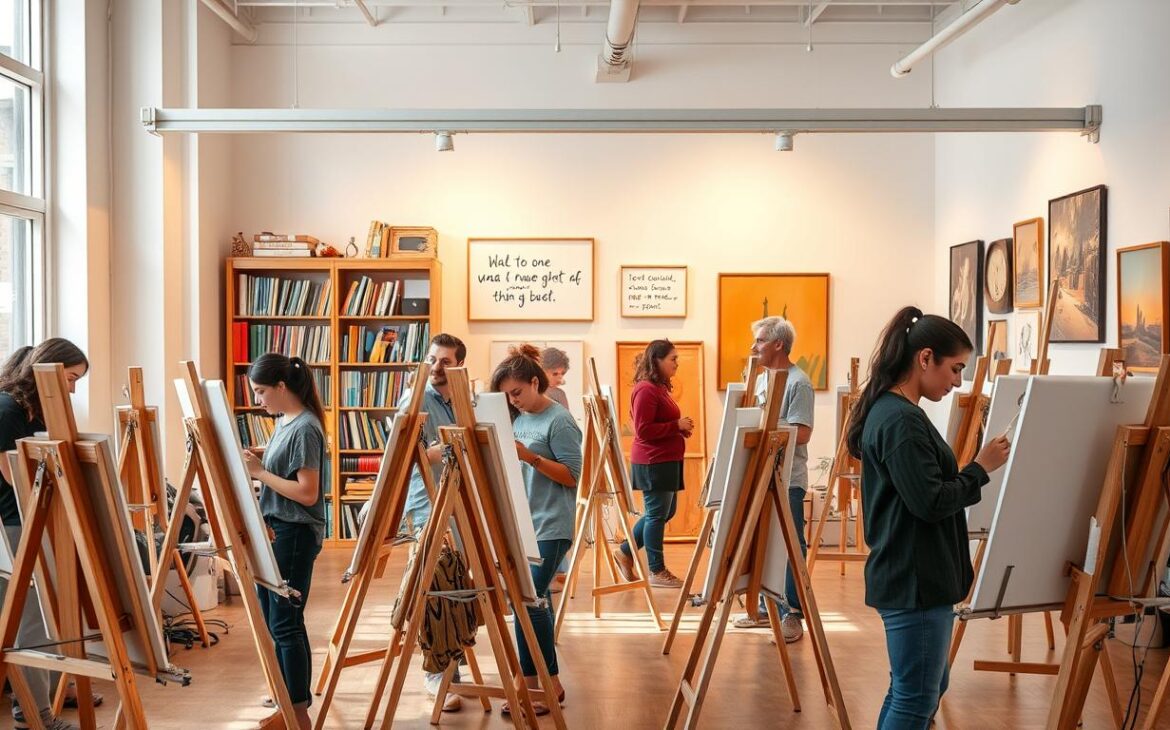
Consistency matters. Dedicate time weekly to explore new mediums or critique methods. Online coaching through MasterClass lets artists learn from legends like Chuck Close. His lessons blend technique with creative courage.
Remember: growth isn’t linear. Celebrate small wins, like mastering a new brushstroke or completing a challenging project. Every class, tutorial, or critique moves the needle toward resilience and expertise. Professional development is a commitment to evolving alongside your craft.
Expanding Your Artistic Horizons
Exploring new creative paths can spark passion again after setbacks. Try painting with unusual tools or sculpting clay for the first time. Expanding horizons means venturing beyond what you know. This could be using digital brushes, printmaking, or even performance art.
Each new medium brings fresh ways to share your ideas. It’s a chance to see things differently.
“The artist’s duty is to deepen the mystery.” – Francis Bacon
Learning pottery or mastering charcoal sketching can make you stronger. Online sites like Skillshare or local art groups are great places to try new things. Expanding artistic horizons is about growing through curiosity.
Joining a mural project or working with dancers can bring new ideas. Let every try be a step towards a stronger, more varied creative voice.
Be open to the unknown. Try a glassblowing workshop or use generative AI tools. Every new technique is a chance to redefine yourself.
Growth happens when you step out of your comfort zone. Turn past doubts into fuel for reinvention.
Scheduling Regular Creative Time
Turning setbacks into success starts with routine. Artists like Maya Angelou wrote at the same time daily. Regular creative time creates momentum even when motivation fades. A consistent schedule transforms fleeting ideas into lasting work.
“Inspiration exists, but it has to find you working.” — Pablo Picasso

Start small. Block 30 minutes daily on a calendar. Treat this as non-negotiable time, like a doctor’s appointment. Creative scheduling works best when paired with a dedicated space—whether a studio, café, or home desk. Tools like time-blocking apps or analog planners help stick to the plan.
Flexibility matters. Some days might mean morning pages; others, late-night painting sessions. The goal is consistency, not perfection. Studies show artists who carve out regular creative time see 30% more progress than those without routines.
Share your schedule with a friend or mentor to stay accountable. Over time, these blocks become sacred moments of growth. Even after rejection, showing up builds resilience. The canvas waits—schedule the time to fill it.
Celebrating Your Art Journey
Every brushstroke, sketch, and idea is part of your story. Take time to celebrating journey milestones, no matter how small. Finishing a project or trying a new technique is important. It shows your growth and dedication.
Share your progress with your support network. Those who cheer you on make a big difference. Posting online or talking to a mentor boosts your joy and confidence. Remember, your process is just as valuable as the final piece.
“Art is a way of celebrating the beauty of life.” — Georgia O’Keeffe
Keep a creative journal to track your growth. Write about days you tried something new or overcame doubt. These entries turn setbacks into stepping stones. Celebrate the courage to keep going, even when doubt comes.
Mark big wins with rituals—a gallery night for friends, or just pausing to acknowledge your effort. These moments show that your celebrating art journey is about self-expression, not just the end result. Progress is enough to celebrate.
Embracing the Journey, Not Just the Destination
Every artist’s path is a story filled with colors, ideas, and moments of doubt. Embracing the journey means seeing each step as part of a bigger picture. It’s not about waiting for perfection but growing with every choice.
Even setbacks teach us what success can’t. When you focus on progress, every day is a chance to learn and create.
Art thrives when you let go of rigid plans and trust the process. Celebrating small wins and exploring new techniques is key. Each piece made and lesson learned builds your unique voice.
There’s no deadline for becoming an artist. The goal is to keep moving forward. Every brushstroke and idea shapes who you are as a creator.
By focusing on the journey, you turn challenges into fuel. You find joy in the act of creating itself. That’s where true growth begins—and continues.