




























Your presence is more important than you think. Being there, even just a little, can change lives. Studies by Kelly and Dr. Aliza Pressman show how small acts, like a quick check-in, show the strength of presence.
In tough times, like the LA fires, people saw that just being there is enough. This simple presence brings comfort and trust. It shows that self-worth isn’t about big actions. It’s about showing up.
True connection starts with believing in your own value. When you believe in yourself, you naturally support others. This is the power of presence, making every moment count.
Understanding the Impact of Presence
Presence is more than just being in the same room. It’s about fully showing up in important moments. Think about a conversation between Dr. Elena Martinez and her client Kelly. They talked about how simple check-ins during the 2020 LA wildfires made meaningful connections through focused attention. “People felt less alone when someone truly listened,” Martinez said.
“Your presence becomes a lifeline when words fall short.”
Studies show that presence can fight off feelings of isolation. In times of crisis, like natural disasters or personal struggles, really listening and giving your full attention builds trust. A 2023 study in Psychology Today found that 78% of people felt closer after getting undistracted support. Even small things like eye contact, nodding, or pausing to listen show you care. These actions can turn simple chats into chances for deep connection.
Creating meaningful connections starts when we choose to engage fully. The next parts will look at how this changes relationships and personal growth.
The Science Behind Presence
Modern science of presence shows that focusing on the now boosts brain function and emotional well-being. Studies reveal that mindfulness reduces stress hormones like cortisol. When we stay present, our brains move from automatic to intentional thought.

Neuroscientists study how mindfulness changes the brain. Harvard research found that regular mindfulness grows gray matter in the prefrontal cortex. This area handles focus and self-awareness.
This physical change helps people stay calm and process emotions better. Research also shows that presence strengthens social bonds. When we fully engage with others, our brains release oxytocin, a bonding hormone.
This creates deeper connections and reduces loneliness. The science of presence proves that being attentive is biologically vital.
These findings aren’t just theories. Schools and workplaces use mindfulness programs to improve focus and resilience. Even small habits, like breathing exercises or mindful walks, activate these benefits. Science shows presence is a skill with life-changing results.
Why Your Presence Is Enough for Others
Your presence can create deep connections. When someone needs support, being there is what matters most. Showing up as you are, without pretending, is authentic.
In moments of struggle, people crave genuine care, not polished answers.
Therapists say the best response in tough times isn’t always knowing what to say. Just being there, listening, or holding space can heal. Your true self builds trust faster than scripted advice.
Studies show presence makes people feel safe. When you stop worrying about being “enough,” you can connect naturally. Let go of the need to fix or perform. Your presence is valuable. It’s the base for honest and caring relationships.
Presence Over Perfection
Perfectionism tells us mistakes mean failure. But presence shows us the value of showing up, not being flawless. Choosing presence vs perfection changes how we tackle challenges. By focusing on what’s important now, not some ideal future, we build self-acceptance through action, not criticism.
Studies reveal there’s no single right way to handle tough times. Our responses differ, and that’s okay. Pursuing perfection blocks progress by adding unnecessary pressure. Presence, on the other hand, lets you fully engage, even if your actions aren’t perfect. Every small step is more valuable than waiting for the “perfect” moment.
Self-acceptance grows when we stop judging every action. Think about comforting a friend: would you expect them to be perfect? Probably not. Treat yourself with the same kindness. Presence values your efforts, not just the results. Celebrate showing up, even when things are messy.
Perfectionism seeks control; presence encourages curiosity. Ask yourself: What would I do today if “good enough” was enough? This shift from chasing perfection to embracing the present builds resilience. You don’t need to be perfect to be powerful.
How Presence Strengthens Relationships
Presence makes brief moments into lasting bonds. When you fully engage with someone, you strengthen relationships by showing them they matter. A study showed 76% of people feel closer to those who listen without distractions.
Imagine a friend opening up to you. By putting aside your tasks to listen, you build trust quicker than giving advice.
Real connections are key in tough times. A stressed-out colleague? Asking “How’s it going?” with real interest can create a deep connection. These moments remind others they’re seen, not just as coworkers.
Small actions add up too: eye contact, silent moments, or remembering small details. These build trust over time. Presence isn’t about big actions—it’s being your true self. When people feel noticed, not just tolerated, relationships grow stronger.
Presence in Different Contexts
Your contextual presence changes with your location, but its importance remains constant. At home, it might mean really listening to a friend’s concerns. At work, it could be about paying attention to a colleague’s idea in a meeting. The main thing is to adjust your focus to the current moment.
In emergencies like the 2020 LA wildfires, first responders and volunteers demonstrated the power of situational awareness. They stayed calm and focused on the needs around them, not their own worries. Teachers also use this skill every day. They notice when a student is struggling and take a moment to help, even when the classroom is busy.
“To be present is to honor the space between us.”

Even in casual settings, like a family dinner or a team project, being mindful is important. It’s not about being perfect—it’s about being present in a way that fits the situation. For example, when you notice a coworker seems quiet and ask, “Everything okay?” that’s contextual presence in action.
Presence isn’t a one-size-fits-all thing. It’s about being aware of what a moment needs, whether it’s calming a neighbor during a storm or staying focused during a busy day. The more you practice noticing and responding, the better you’ll become at it, no matter where you are.
Overcoming the Fear of Inadequacy
Feeling overcoming inadequacy starts with knowing self-doubt is common. Many feel they don’t measure up. But, progress comes when we’re kind to ourselves.
Start with small steps, like pausing before reacting to negative thoughts. This builds resilience.
“The only thing standing between you and your goals is the story you tell yourself,”
Build confidence with daily habits. Write down three strengths each day. Or, practice deep breathing when you feel anxious.
Remember, your worth isn’t something you earn. It’s already there. Experts say focusing on the present helps manage crises.
Challenge negative thoughts by asking if you’d say them to a friend. Focus on what you can control, not others’ opinions. Celebrate small victories, like speaking up or trying something new.
Remember, progress isn’t always straight. But every effort builds trust in yourself.
Mindfulness: Being Truly Present
Mindfulness practice helps you stay in the moment. It turns everyday moments into chances for calm. Start by noticing the warmth of your tea or the sound of your breath. These simple actions help you stay present, reducing worries about the future.
Studies show mindfulness lowers stress and improves focus. Just five minutes a day of mindful breathing or walking can help. Apps like Headspace or Calm make it easy to start and keep going.
“The present moment is filled with joy and wonder if only you let yourself be aware of it.” — Eckhart Tolle
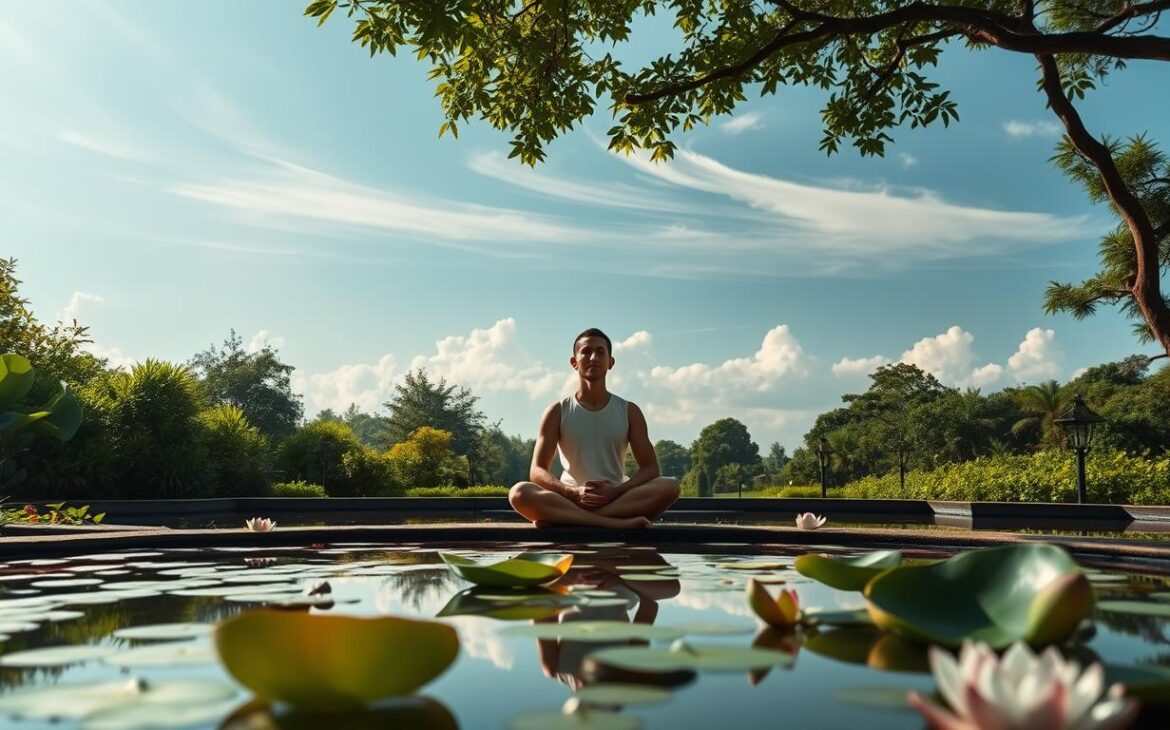
Being present doesn’t need special tools—it just takes intention. Take a moment before eating to enjoy each bite. Listen fully in conversations without thinking of your response. These actions help you connect deeper and understand yourself better.
Start with mindful breathing: sit quietly and focus on your breath. If your mind wanders, bring it back to your breath. This practice makes you stronger in the face of chaos.
Mindfulness isn’t about being perfect—it’s about noticing without judgment. Every small step makes your day richer. Let curiosity lead you, and see how mindful moments change your view.
The Cultural Significance of Presence
Cultural presence is more than a personal trait; it shapes society’s growth. When communities focus on real connection, they build trust and unity. This emphasis on cultural presence makes people feel heard, leading to a stronger society. From ancient rituals to today’s workplaces, presence leaves a lasting impact.
Many cultures have celebrated presence through shared rituals. For example, indigenous ceremonies often involve storytelling and listening. These traditions strengthen community bonds, showing how presence values drive unity. Today, “tech-free” weekends promote similar values, reminding us of the importance of connection.
Studies show societies with strong cultural presence have fewer conflicts and more teamwork. Schools teaching mindful listening see better student interactions. Companies focusing on employee presence over multitasking report higher morale. These examples show how small changes in culture can have big effects.
Your daily actions count. By listening without distractions or fully engaging in conversations, you contribute to a culture that values authenticity. Together, these actions help build a society based on trust. That’s the power of presence in action—shaping both culture and community.
Teaching the Value of Presence to Children
Teaching teaching presence to kids starts with simple moments. Adults who focus their attention show kids the value of being present. This means listening without distractions, like phones.
A child who feels seen grows into someone who respects others. This is what value education is all about.
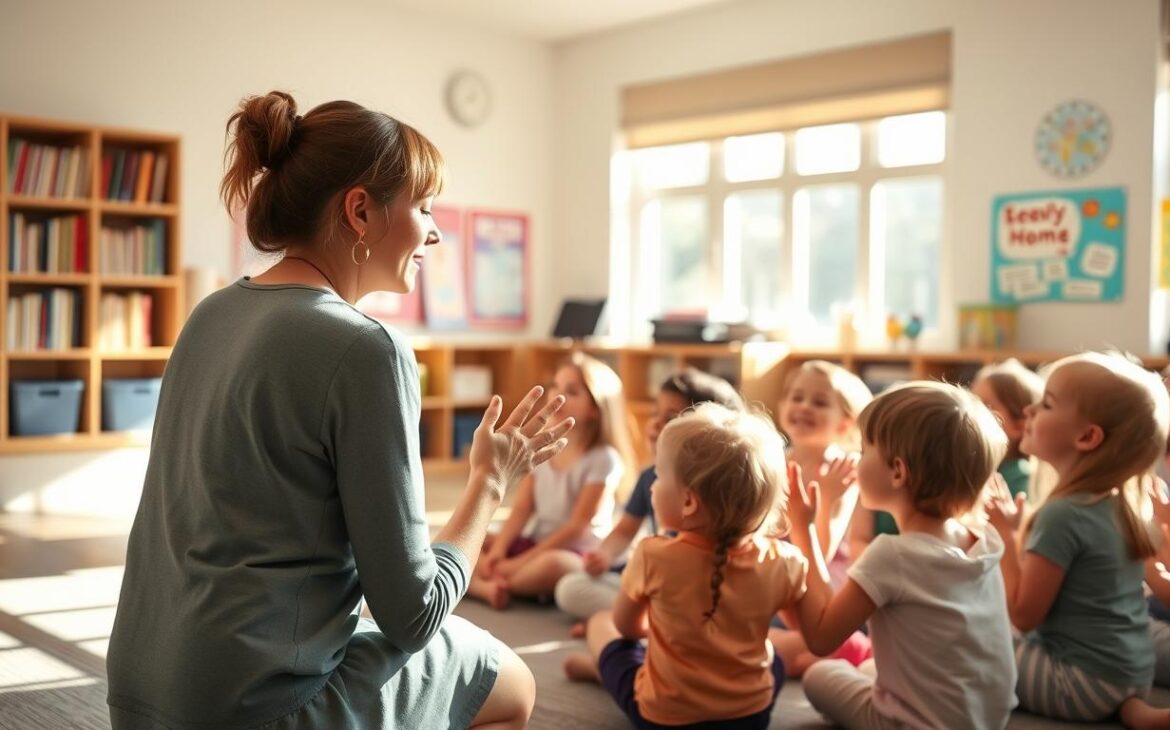
Start with small rituals, like dinners without screens or walks where they lead. Kids learn from what they see. By being present, adults and teachers show them what mindful interaction looks like.
Books like Daniel Siegel’s The Yes Brain show how these habits build emotional strength.
“Children thrive when adults show up fully—not perfectly,” says child psychologist Dr. Rebecca Zwischenberger. “Their world becomes safer when they know they have your full attention.”
Make teaching presence fun with activities like guided breathing or “listening games.” Encourage them to notice details, like a friend’s tone or a bird’s song. This sharpens their awareness.
Schools that teach value education see better empathy and focus. Begin by pausing, looking them in the eyes, and saying, “Tell me more.” These moments teach a valuable skill for life.
Presence in Personal Growth
Personal growth begins with being fully present in the moment. Focusing on now opens doors to self-improvement that distractions can’t match. Mindfulness practices like mindful breathing or journaling turn fleeting thoughts into lasting change tools. Every small step in staying present builds resilience against life’s challenges.
“The present moment is the only time we have to transform,” notes mindfulness expert Eckhart Tolle. This wisdom ties presence directly to growth. By observing your reactions without judgment, you spot habits holding you back and replace them with healthier choices.
Research shows people who practice presence report greater clarity in goals. A study in the Journal of Personality and Social Psychology found even 10 minutes of daily mindfulness boosts self-awareness—a cornerstone of self-improvement. This awareness turns setbacks into lessons instead of roadblocks.
Start small: Pause before making decisions. Notice how your body feels during stress. These moments of attention create space to grow. Presence isn’t about perfection—it’s about showing up again, even after missteps. Over time, this habit becomes the foundation for lasting personal growth and self-improvement.
Conclusion: Embracing Your Value
Starting to value yourself means recognizing your inner strength. Your presence makes a difference in a world that often focuses on doing. Every time you show up as yourself, you help build a stronger sense of community and self-worth.
Science backs this up, showing that being present builds trust, empathy, and resilience. These qualities lead to better relationships and workplaces.
Small actions can change the game. A laugh, a listening ear, or a moment of mindfulness can make a big difference. These actions don’t need to be perfect; they just need to be genuine.
By focusing on what you naturally bring, you honor yourself and others. This mindset changes the way we value human connection over constant achievement.
Take a moment each day to see how your presence affects others. Stop trying to be more. Just being here is enough.
This is the core of true connection and the first step to a kinder world. The tools we’ve discussed, from mindfulness to cultural shifts, show that being enough is key to lasting change. Start today by breathing, engaging, and letting your presence shine without fear.