



























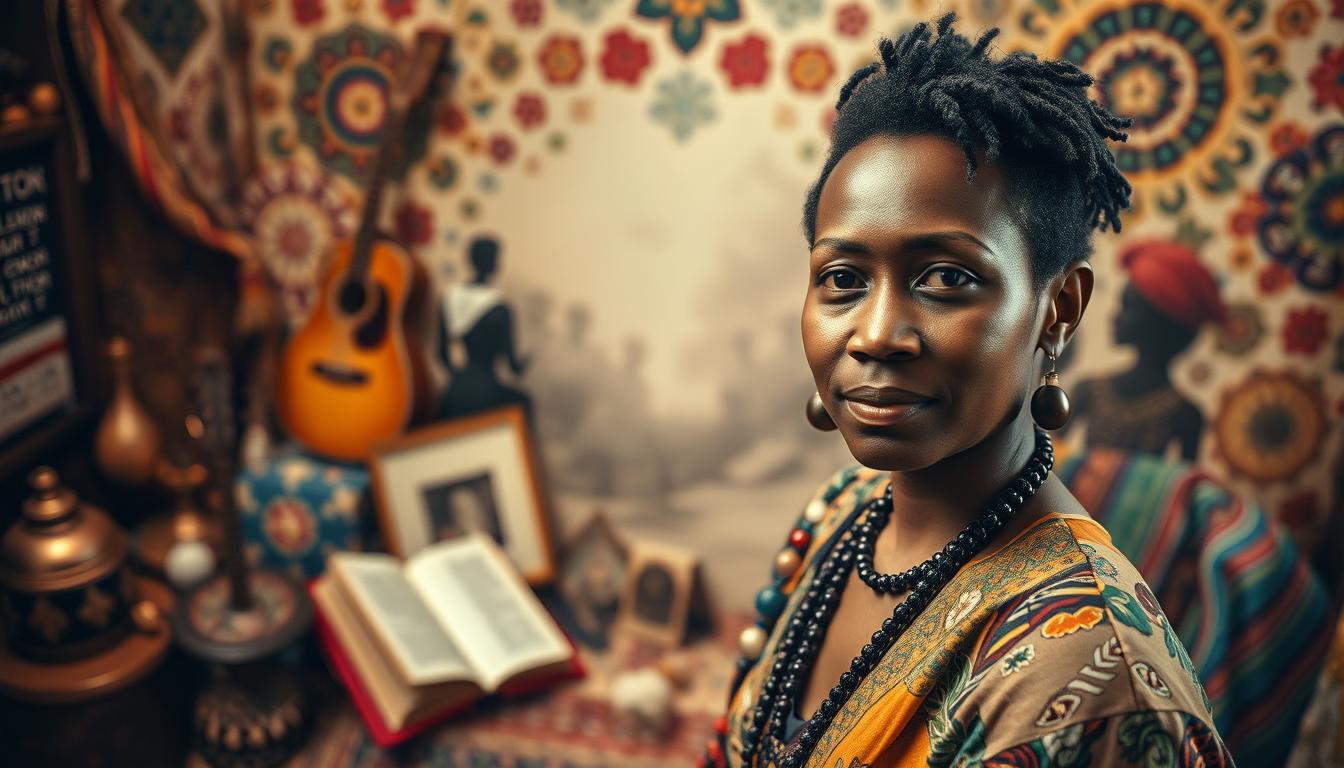
Every story is important, no matter how small. Your life is not just yours—it’s part of a bigger web. This web includes cultural influence and shared human experiences.
Stories like David and Goliath show how our personal struggles are part of a larger tale. Cultural influence shapes how we speak, act, and see the world. Your voice is shaped by the stories around you.
Think of your challenges as part of a bigger picture. Your story grows when personal and cultural stories meet. This is where meaning emerges, one step at a time.
Understanding Cultural Influence on Voice
Culture shapes how we speak, think, and tell our personal narrative. Family stories, history, and traditions shape our view of the world. For example, biblical parables like the Prodigal Son teach lessons beyond their plots.
Traditional tales and community values shape our voice. A child raised on folktales might use metaphors differently than one raised on modern media. Shared stories turn individual struggles into universal themes.
Personal narratives connect to wider cultural threads. Learning to see this link helps us express ideas clearly and with empathy. By studying cultural stories, we understand how heritage molds our voice while allowing for individuality.
My Cultural Background
My earliest memories are filled with family gatherings and the smell of traditional food. My grandmother’s stories, passed down through generations, mix personal history with the broader cultural background of resilience and faith. These stories reflect ancient tales like the Exodus or immigrant struggles, showing how personal lives reflect larger cultural patterns.
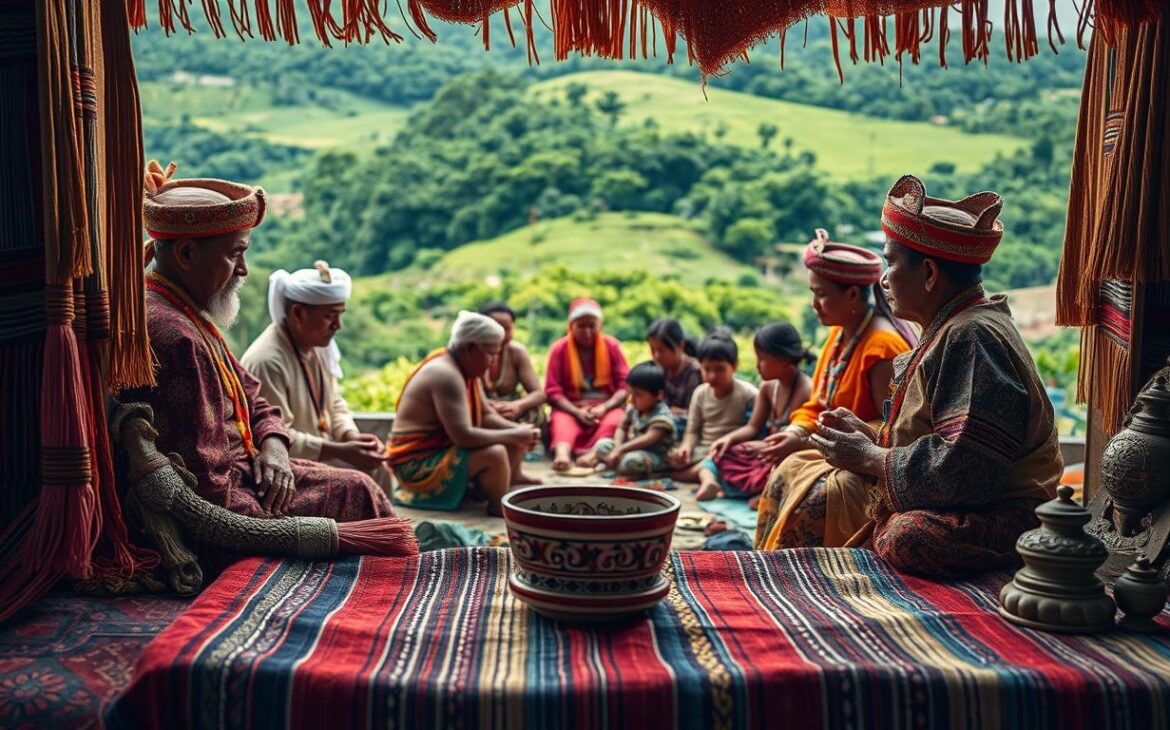
Our kitchen was like a classroom where language carried heritage. Words like “gratitude” or “community” had deeper meanings shaped by our shared cultural background. Celebrating festivals with specific rituals taught me how traditions shape identity. For example, lighting lamps during Diwali or breaking bread during holidays isn’t just custom—it’s a dialogue between past and present.
“Our stories are not ours alone,” my father often says. “They belong to everyone who walked the same path before us.”
Looking through family archives showed how my ancestors’ choices shaped my voice. Their struggles and triumphs became part of my story. This shows how cultural background isn’t static; it evolves through shared human experiences.
Understanding these layers taught me to listen deeply. I learned to listen to elders’ voices, the symbolism in art, and the silent spaces between words. Every tradition, whether a song or a proverb, is a thread in the tapestry of who I am today.
The Power of Language in Culture
Language is more than just words; it’s the heart of culture. Every phrase and proverb carries history and tradition. Think of sayings like “the apple of my eye” or biblical stories passed down for ages. These show how language shapes our expressions of love, fear, or hope.
Culture lives through its language, and language changes as culture does. This connection is powerful.
Metaphors and symbols connect the past to the present. They turn complex ideas into stories we all share. When a grandmother says, “A stitch in time saves nine,” she’s sharing wisdom. This wisdom is rooted in her community’s values.
This is how language becomes a living record of cultural beliefs.
“Language is the roadmap of a people’s soul.”
Stories and proverbs link personal experiences to cultural tales. They make traditions feel alive today. Imagine a poet using biblical imagery in a modern song. Their voice echoes generations of shared meaning.
Language acts as both mirror and mold, reflecting culture while shaping our view of the world.
Understanding this link helps us see the deeper meanings in everyday words. Phrases like “the writing’s on the wall” or “spare the rod” carry cultural significance. By studying language, we uncover the stories that define us and how we speak.
It’s a reminder that every word choice is a small act of cultural preservation.
Music and Its Cultural Impact
Music is a big part of cultures, helping people show who they are and connect with others. It goes from folk tunes to hip-hop, touching our lives every day. The Beatles’ Sgt. Pepper’s Lonely Hearts Club Band changed the 1960s, and the Fugees’ The Score mixed hip-hop with reggae to share immigrant stories. These examples show how music reflects our times and personal tales.
Music does more than just play sounds—it connects us. Songs become anthems, and beats start movements. Songs like “We Shall Overcome” turned struggles into hopes, showing how music can unite us. Today, artists like Beyoncé or Bad Bunny celebrate their heritage through music, spreading pride.
Traditional instruments like the djembe or sitar carry deep history, teaching us about our roots. Concerts and festivals are like community gatherings, making us feel part of something bigger. Music, from a grandma’s lullaby to a TikTok hit, keeps our cultures alive. It’s not just fun—it’s a living history of who we are and who we want to be.
The Influence of Literature on Voice
Literature shapes how we speak and think. Works like Mary Shelley’s Frankenstein and Geoffrey Chaucer’s The Canterbury Tales teach us about layered storytelling. They show how ideas can grow, influencing our speech.
“I had worked hard for nearly two years,” Mary Shelley wrote in her preface, capturing the depth of crafting layered tales that challenge perspectives.
Today, metanovels carry on this tradition. They offer readers a chance to see stories within stories, leading to deeper thoughts. Classic and modern works alike show how voice evolves through complex narratives.
Shelley’s Frankenstein explores ethics through shifting perspectives. Chaucer’s pilgrims’ tales showcase diverse voices. These examples highlight how literature’s layers help us refine our expression.
Characters like Victor Frankenstein or Chaucer’s pilgrims show how stories turn personal experiences into themes for all. This interaction between text and reader helps us grow in self-expression. It proves that literature is a key to building a genuine voice.
Social Media and Cross-Cultural Interaction
Platforms like Instagram and TikTok turn screens into stages for global voices. Users share traditions, languages, and art in real time. Social media interaction lets anyone participate in cultural exchanges once limited by geography. Memes, videos, and hashtags now carry stories from every corner of the world.

“Cross-cultural interactions online have tripled in the last three years, showing how platforms bridge global divides,” according to a 2023 Global Connectivity Report.
Sharing a recipe or a protest song online connects with millions. Yet, this reach has pros and cons. A Japanese tea ceremony video might inspire curiosity but also risk oversimplification. Social media interaction can spread understanding but also stereotypes if not approached thoughtfully.
Communities form around shared interests, like #BlackHistoryMonth or #ClimateAction. These spaces let voices grow louder and more diverse. Twitter threads dissect cultural topics, while YouTube channels showcase traditions through tutorials. Every post becomes a brick in a digital mosaic of human experience.
Engaging online means more than scrolling. Choosing to learn, not just consume, turns feeds into classrooms. Every like or comment is part of a larger conversation shaping tomorrow’s cultural narratives. How will your next post contribute?
Family Conversations and Their Impact
“The stories we share around the dinner table shape the language of our souls.” – Cultural anthropologist Margaret Mead
Family communication begins at home. Here, grandparents share their stories, parents explain traditions, and children ask questions. These talks help shape our identity.
Imagine a grandparent teaching a grandchild to cook a family recipe. It’s not just about food. It’s a way to pass down cultural wisdom through words and actions.
Family talks teach us to listen. Debates over holiday customs or migration stories build bridges between generations. These talks are more than casual chats. They’re a blueprint for understanding our heritage.
Studies show kids who talk openly with their families develop stronger emotional bonds and cultural awareness.
Think of family dinners as classrooms. Parents discussing current events or grandparents explaining ancestral rituals turn everyday moments into lessons. These conversations help us understand our values and cultural roots. They shape how we speak, think, and express ourselves in the world.
The Role of Education in Shaping Voice
Education teaches us to express ourselves. Schools and universities are where critical thinking and communication skills start. Lessons and discussions help us share our thoughts and values.
Classrooms teach theory, while internships or community projects offer practical learning. Both ways help us express ourselves. A teacher or mentor can guide us in writing or debating, helping us find our unique voice.
Remember a time when a class changed your view or a project opened your eyes? These moments show how education shapes us. Through debates or teamwork, we learn to speak clearly and confidently.
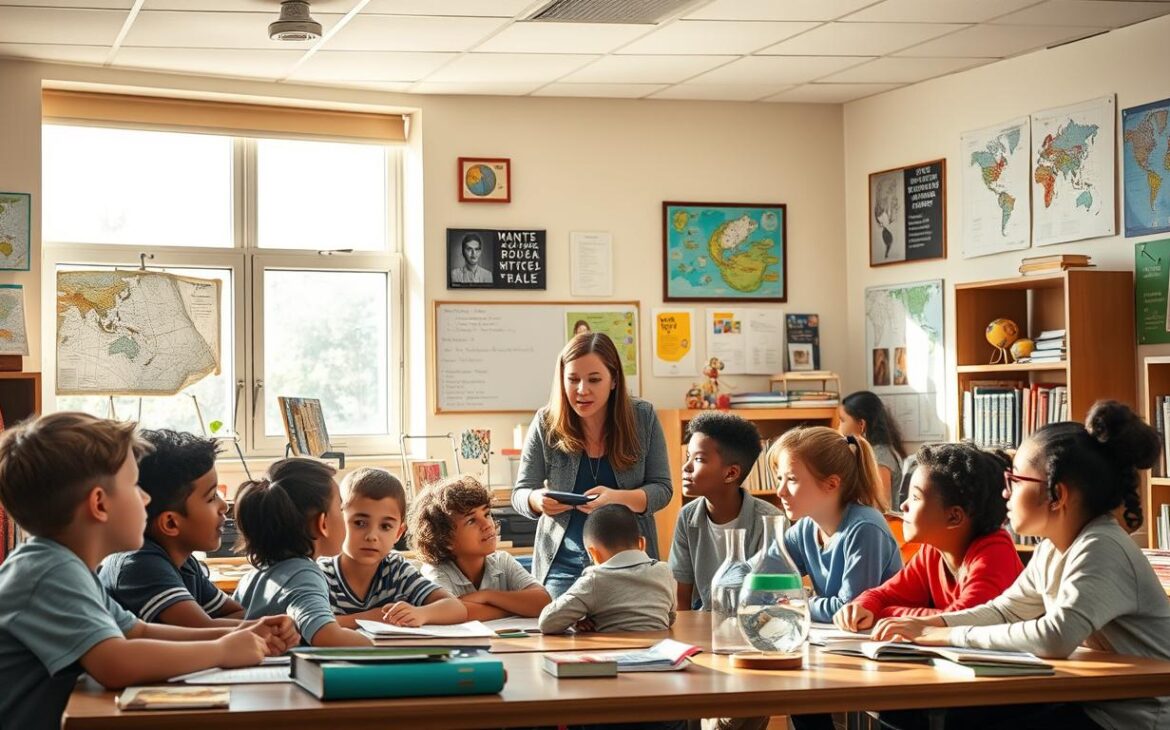
Education’s impact goes beyond grades or tests. It’s about learning to share our stories truthfully. Every lesson, discussion, and challenge in school helps build our voice. It’s shaped by curiosity and growth.
Adapting to Different Cultural Contexts
Adapting between cultures isn’t about losing who you are. It’s about finding new ways to share your story. Think of writers like Chimamanda Ngozi Adichie, who blends Nigerian traditions with global themes in her novels. Cultural adaptation means keeping your voice strong while learning new ways to express it.
“Identity is a bridge, not a wall.”
Artists like Picasso found inspiration in African masks, merging styles to create new forms. Musicians mix genres—like Afrobeat or K-pop—to reach audiences worldwide. These examples show how cultural adaptation can spark innovation.
Education and media teach how to navigate shifts without losing core values. Like how Japanese woodblock prints influenced European painters, today’s voices blend old and new traditions. Social media lets creators share hybrid stories, proving cultural adaptation builds bridges.
Flexibility is key. Whether in music, books, or daily conversations, adapting means finding common ground. It’s about staying true to your roots while embracing change—so your voice stays alive in every setting.
Arts and Expression Through Culture
Arts expression is more than just making beauty. It connects people to their roots and each other. Frida Kahlo’s self-portraits and Basquiat’s graffiti art tell stories that words can’t.
Theater and film, like “Fun Home” and Parasite, make complex themes easy to understand. They turn cultural ideas into stories we can all relate to.
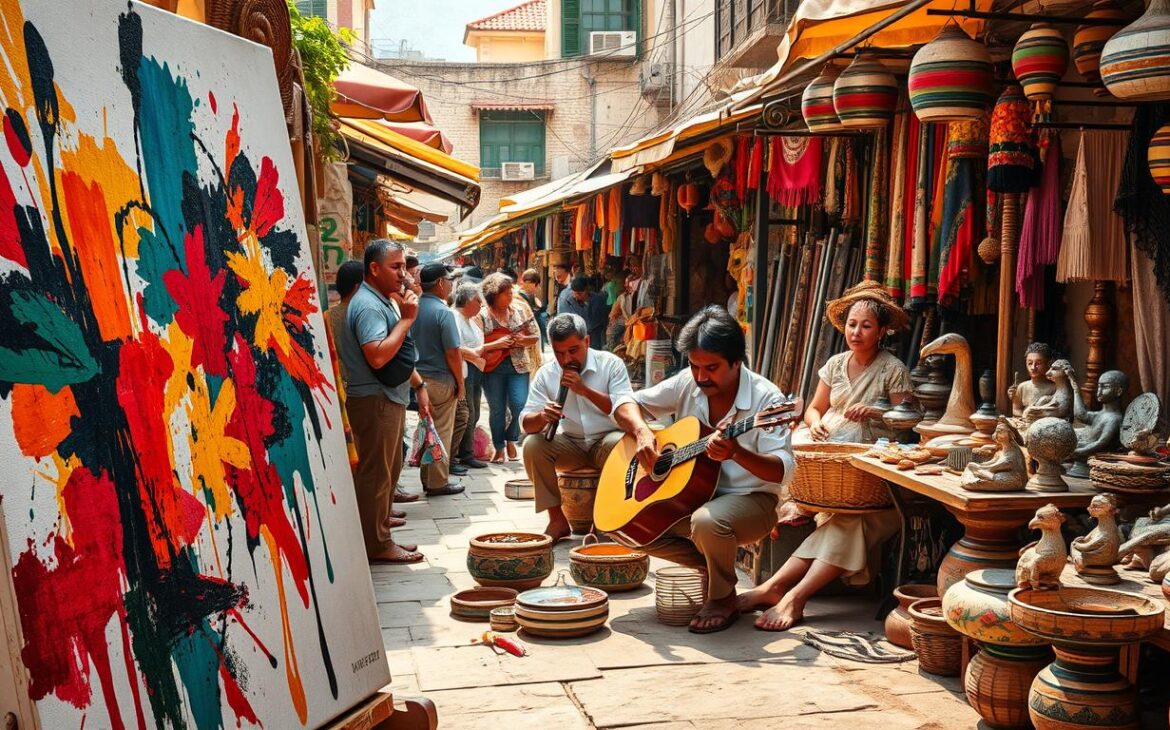
Traditional dances like the Maori haka and flamenco hold centuries of history. Street art in Mexico City and Berlin turns walls into canvases for social messages. These forms share values, struggles, and hopes across borders.
Art galleries and theaters are more than places to see art. They’re classrooms where we learn about identity. A mural in Chicago or a play in New York can start important conversations about belonging.
By engaging with these works, we’re not just viewers. We’re part of a global conversation. Every piece of art, music, or performance adds to our shared human experience.
The Importance of Community in Voice Formation
Our voices grow louder when we share them with others. Communities act like mirrors, showing us who we are and teaching us to express ourselves. From childhood gatherings to local festivals, these spaces shape how we speak, listen, and connect.
Local traditions, like family dinners or neighborhood events, teach us to listen and speak in meaningful ways. Think of a town’s annual parade or a book club debating stories. These moments build the community voice, blending our personal thoughts into something bigger.
Communities also keep history alive through shared tales. Elders passing down stories, friends debating ideas—these interactions give our words depth. They turn individual thoughts into part of a bigger narrative. When we join conversations, we learn to balance our voice with others’, creating harmony.
Strong communities don’t just listen—they respond. A city’s mural project or a school’s debate team becomes a space where many community voices mix. This blend helps us find our own style while honoring shared values. Every discussion, protest, or quiet chat adds layers to how we speak and what we stand for.
Continuing the Journey of Voice and Culture
Your voice grows with every story, song, and conversation. The journey of voice is ongoing, blending your background with new experiences. Music, books, and social media add depth to your expression.
Every step forward teaches you while keeping your roots strong. Meeting new traditions and ideas makes your voice wider. It’s not about forgetting the past but adding to it. Schools, families, and communities help guide this growth.
Keep exploring and talking to people from different backgrounds. Let their stories spark your own. Your voice journey is unique, shaped by your heritage and choices. It’s okay to evolve and grow.
Remember, your story is part of a bigger human story. Every day brings chances to listen, create, and connect. Stay curious. The voice journey is a lifelong adventure where every moment counts.