



























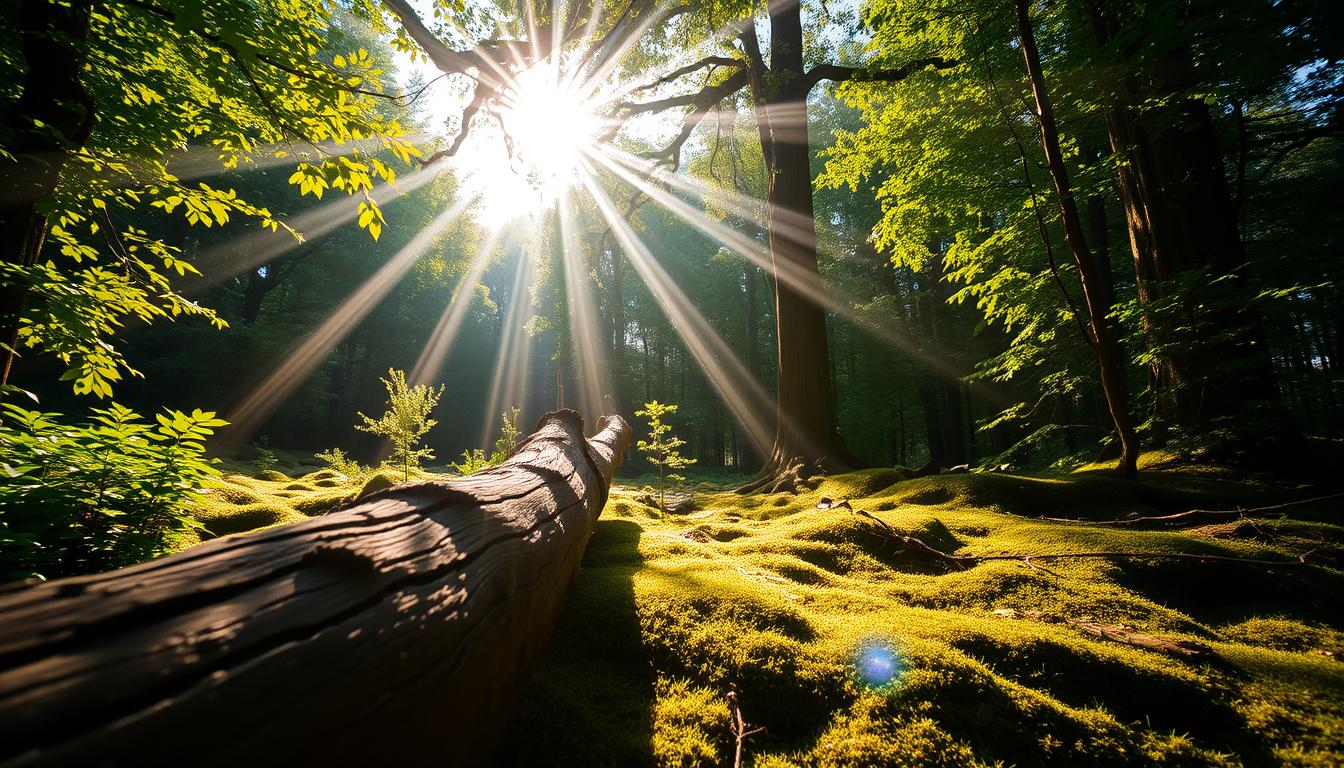
Dealing with creative hurdles doesn’t mean you’re stuck. Picture yourself at the edge of the Phillip Burton Wilderness during the holidays. Here, quietness opens up new ways.
Being creative is like kneading dough. Taking a break lets ideas grow and become clear. Both scientists and artists say stepping back is key to innovation. When we rest, new solutions emerge.
Healing begins with seeing pauses as part of growth. Let’s dive into how stepping back can boost creativity and well-being. It all starts with a creative pause.
Understanding Creative Blocks: An Overview
Creative blocks are like pauses in the creative process. They give your mind a break, just like a plant needs rest. When ideas stop flowing, it’s your mind’s way of refreshing itself. Science shows that this downtime is important for processing emotions and focusing again.
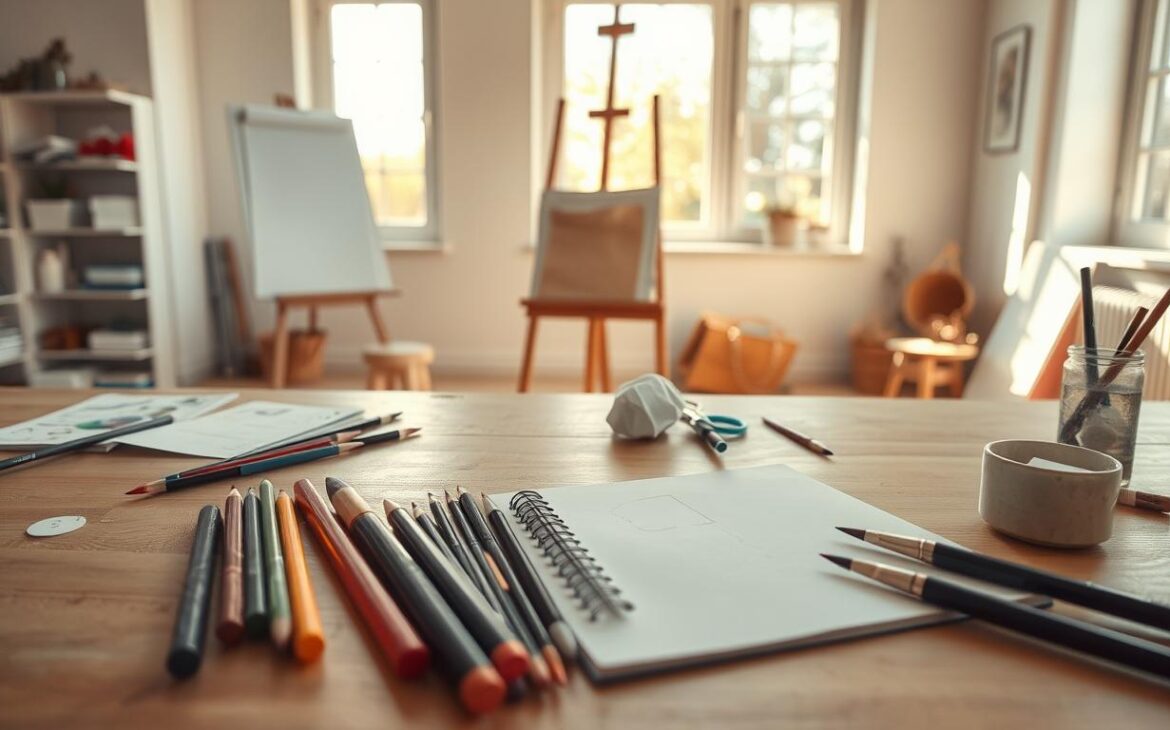
These breaks are not random. They help us solve problems in our subconscious mind. Taking a step back allows new ideas to emerge. Many artists and writers have found inspiration by stepping away from their work.
Nature also shows us the importance of these pauses. Seasons change, but life always comes back. Emotionally, creative blocks can reveal stress or too much work. It’s a sign that your brain needs a break, not a punishment.
Seeing these pauses as steps forward, not setbacks, is key. Over time, you’ll learn to appreciate these breaks as part of your creative journey.
The Role of Creative Blocks in the Creative Process
Creative blocks aren’t obstacles; they’re pauses. Think of them like commas in a sentence. They give your mind space to recharge and see ideas from new angles. When stuck, you’re actually in a phase of subconscious processing. This pause isn’t wasted time; it’s part of the brain’s sorting system.
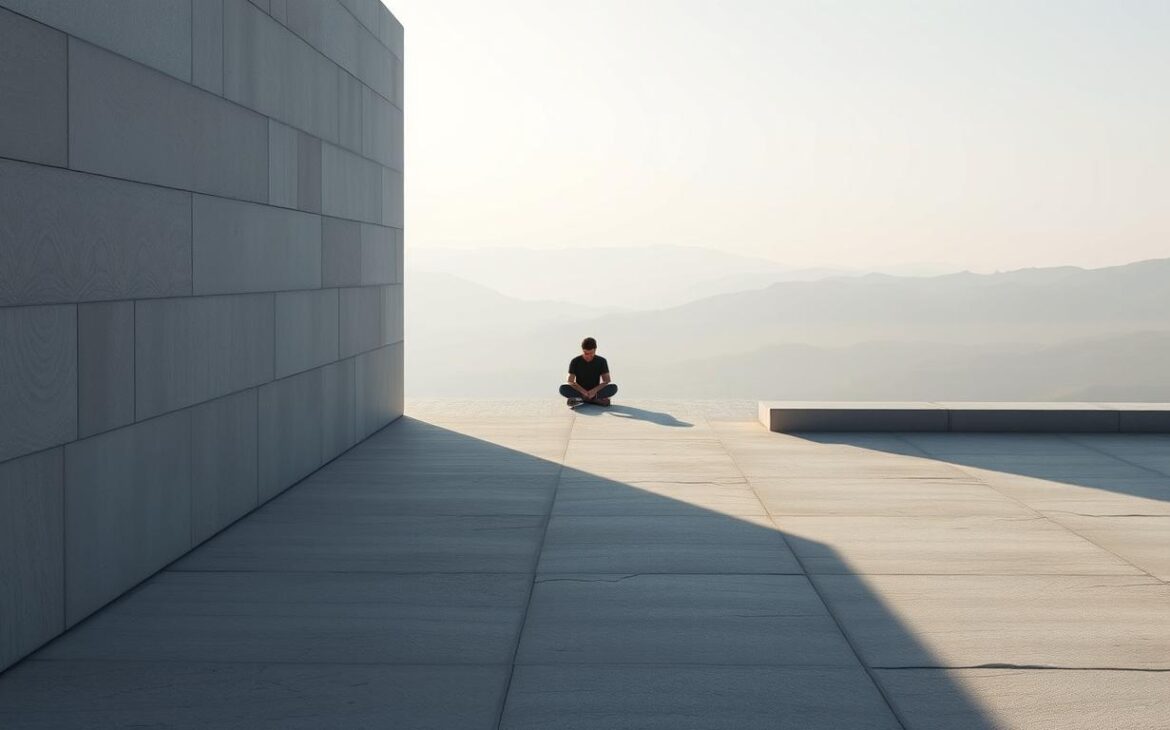
Artists and writers often share stories where stepping away led to breakthroughs. A painter might put aside a half-finished piece, returning later with clarity. This reset helps avoid rushing decisions. The role of creative blocks is to slow down the process, letting insights mature naturally.
Imagine composing a song. A forced melody might feel off, but a pause allows chords to rearrange in your head. When you return, the right notes fall into place. This natural break isn’t failure—it’s part of the cycle.
Many creatives now embrace these moments. Designers use breaks to avoid overcomplicating projects. Writers journal through stuck points, finding solutions in reflection. The role of creative blocks becomes clear: they’re tools for deeper creativity, not dead ends.
Viewing them this way shifts mindset. Instead of frustration, see these pauses as intentional breaks. They’re chances to let ideas breathe. The next step? Learning how to recognize when a block is a sign to step back.
Identifying Your Creative Blocks
Start by tuning into your body and mind to find creative blocks. Notice physical signs like tight shoulders or headaches. These are hints that your creativity needs a break.

“Knowing yourself is the beginning of all wisdom.” Aristotle’s words remind us that self-awareness is key. Spotting blocks starts with honest reflection.
Emotions like frustration or doubt are important too. They’re not just mood swings. They’re clues to what’s blocking your creativity. Ask yourself, “What’s stopping my flow?” Writing down when and why you feel stuck can reveal patterns.
Pay attention to when inspiration disappears. A sudden dislike for your usual routine is a sign. Listen to your body and heart. Small breaks, like deep breaths or a walk, can help clarify what’s holding you back.
Identifying creative blocks isn’t about blaming yourself. It’s about noticing habits and reactions. Spotting these signs early can turn obstacles into opportunities for growth. Your creativity will flourish when you listen to its whispers.
Strategies for Overcoming Creative Blocks
When you’re stuck, small changes can help. Try mindful breathing or a 5-minute body scan to clear your mind. These methods calm your thoughts, making room for new ideas.
Moving your body also helps. Stretch, walk, or dance to get your blood flowing. This activity can spark your creativity again.
“Creativity is the mind’s way of breaking through barriers,” says psychologist Dr. Brené Brown. Her research shows that pausing can build resilience.
Try “unhiding” techniques to see things differently. Watch a scene from Love is Blind where people pause before reacting. This shows how stepping back can reveal new views.
Journaling or doodling can also change your perspective. Write or draw without worrying about what others think. Even simple scribbles can uncover hidden thoughts.
See pauses as part of the journey. Don’t stress about solving problems right away. Celebrate small wins, like a short walk or a 10-minute sketch. Each effort helps break through the block.
The Importance of Taking Breaks
Just like kneaded dough needs time to rest before shaping, your mind needs breaks too. These breaks recharge your focus and creativity. When you step away from a project, your brain keeps working on ideas in the background.

Science backs up the benefits of short breaks. A 2019 study in the Journal of Experimental Psychology showed they boost problem-solving skills. When we’re stressed, our nervous system gets tight, making it hard to think clearly. A short walk, a snack, or daydreaming can help reset this.
“Rest is not idleness; it’s the mind’s way of reorganizing.”
Breaks are not about giving up; they’re strategic. Artists like Picasso and writers like Maya Angelou used walks to spark ideas. Your next big idea might come during a coffee break or a stretch. Taking breaks isn’t just self-care; it’s a way to innovate. Let your mind breathe, and watch your creativity flow again.
Finding Inspiration During a Block
Walking through Phillip Burton Wilderness, many artists find hidden ideas in the quiet. When creativity slows, stepping away from your work can spark curiosity. Inspiration often comes when you least expect it—like sunlight breaking through fog.
Nature’s rhythms remind us to pause. A walk under trees or a quiet journal entry can change your view. Studies show even brief outdoor time boosts problem-solving skills. Let your mind wander without pressure.
Intentional distractions work too. Cooking a new recipe or sketching clouds lets your subconscious process ideas. Moments of “doing nothing” might feel unproductive, but they’re when creative sparks often strike.
Remember: inspiration during creative block isn’t about forcing answers. It’s about staying open to life’s small wonders. Look for patterns in your daily routine. A coffee stain’s shape, a stranger’s laugh—these details can become the seeds of new projects.
Stay curious. Breakthroughs emerge when you least expect them. Let the quiet guide you. Your next great idea is waiting in the pause.
Creative Communities and Support
When you hit a creative block, joining creative communities support can change everything. Talking to others who get it builds trust. Sites like Behance or DeviantArt let you share your work and get feedback that sparks new ideas.
“A problem shared is a problem halved,” say many in design circles. Forums like Reddit’s r/creatives or local art collectives offer safe zones where vulnerability becomes strength. Feedback loops here often highlight solutions creators overlook alone.
Being part of creative communities support is more than just getting advice—it’s about feeling like you belong. Seeing others’ journeys on Instagram’s #CreativeBlocks tag reminds you you’re not alone. Mentorship programs, like those in AIGA’s network, pair newcomers with seasoned pros, blending guidance with friendship.
Open dialogue in these groups turns challenges into puzzles to solve together. When the path is unclear, the collective energy helps turn obstacles into stepping stones.
Celebrating Small Wins
Every small step forward is worth celebrating. Finishing a paragraph, solving a design problem, or getting past a creative block are all victories. Celebrating small wins boosts motivation and shows us progress, even when things seem unclear.
Think of creativity as a journey with many milestones, not a race. A painter might celebrate mixing the perfect shade of blue. A writer might celebrate writing 100 words after a tough time.
“Don’t wait for inspiration if you want to make art. Take a knife and carve it out.” — Chuck Close
Make rituals to mark your progress. Share a sketch with a friend, mark a calendar, or treat yourself to coffee after a good session. These acts help build positive habits. Celebrating small wins is about recognizing the effort that brings ideas to life.
Creative work needs persistence. Each small win shows you’re moving forward. Take time to acknowledge them. This mindset turns frustration into pride, making the next challenge seem less scary. Remember, it’s about progress, not perfection.
Embracing the Journey
Creative growth isn’t about avoiding obstacles—it’s about moving forward with curiosity. Every pause, every block, and every restart shapes your path. When you embrace the creative journey, you allow room for mistakes and breakthroughs to coexist. This mindset turns challenges into stepping stones, not roadblocks.
Remember, creativity thrives on balance. Taking breaks, seeking inspiration, and sharing progress with others keeps momentum alive. Small victories, like finishing a draft or sharing work with a community, build confidence over time. These moments matter as much as the final product.
Look ahead with patience. The process of creating isn’t linear, but it’s always moving. By embracing your creative journey, you honor your growth and the unique ways it unfolds. Celebrate each step, no matter how small, and let every experience—good or tough—shape your path forward.