



























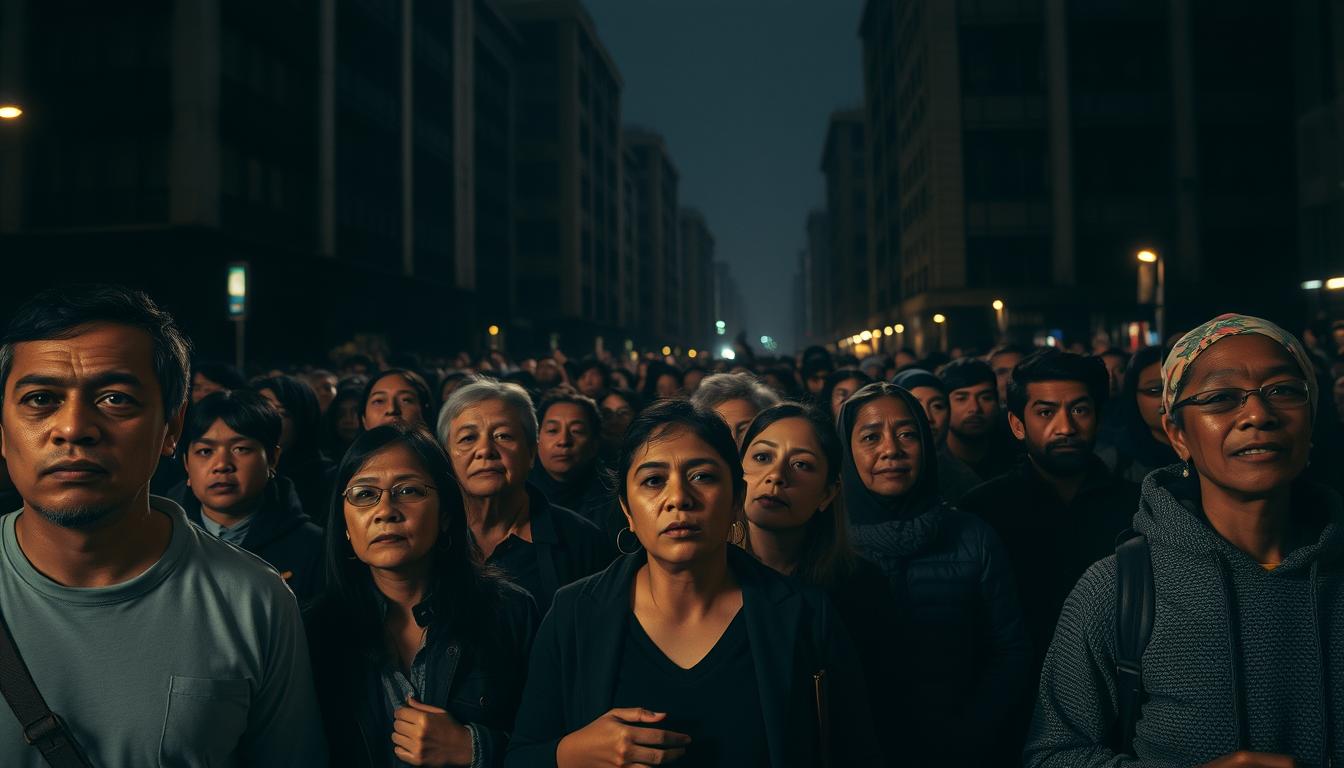
Life is like a box of chocolates, full of surprises. The courage of ordinary people isn’t about big acts. It’s the quiet strength of a parent working hard, a neighbor checking on a friend, or a student standing up for what’s right.
Like a sunflower that bends but never breaks in a storm, everyday courage grows. It comes from facing uncertainty with resilience.
What makes the courage of ordinary people so powerful? It’s found in moments of choice. Showing up when fear tells you to hide, or stepping forward when others don’t.
From communities rebuilding after disasters to individuals learning to heal, these acts are the unseen backbone of society. This article explores how ordinary courage transforms lives, one small but brave decision at a time.
Understanding Courage in Everyday Life
Everyday courage isn’t about big, dramatic acts. It’s about facing life’s little challenges with calm and clarity. Think of opening a box of chocolates and not knowing what you’ll get. That’s like facing daily challenges like tough talks or big changes.
Each moment is a choice between hope and fear, action and hesitation. It’s about picking courage over doubt.
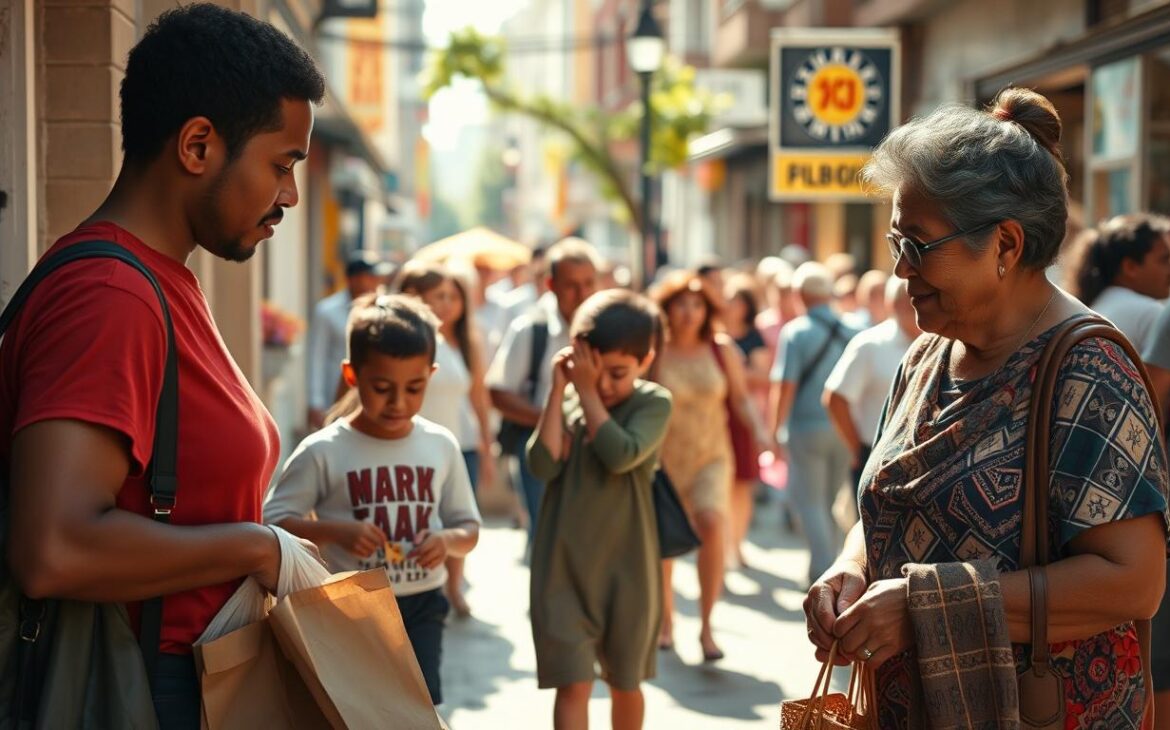
Studies show that focusing on what we can control builds resilience. It’s like seeing obstacles as puzzles to solve, not walls to fear. Courage means embracing the unknown with curiosity.
A study in Psychology Today found that small acts of bravery build confidence. This includes speaking up for fairness or trying new things.
“Always Look on the Bright Side of Life!”
Humor and positivity are key to everyday courage. Laughing through tough times turns stress into adaptability. Every day, we have chances to be brave.
This could be standing up for what we believe in, learning from mistakes, or showing up when things are uncertain. These acts aren’t just personal wins. They also inspire others and strengthen our communities.
Real-Life Stories of Everyday Heroes
Courage stories often start with “no” or “it’s impossible.” Thomas Edison tried 1,000 times to make a lightbulb work. Now, we see his efforts as genius. Stephen King’s first book, *Carrie*, was rejected 30 times before it became a hit. These stories show courage is about keeping going, not just winning.

Bethany Hamilton lost her arm to a shark but kept surfing and won championships. Walt Disney was told he was “unimaginative” but created a global empire. Their stories show courage is about trying again, not avoiding pain.
Every setback is a chance to write your own courage story. When life says “stop,” ask: What’s my next page? These tales remind us courage is about doing the extraordinary, step by step. Your story matters. Keep writing it.
The Psychology Behind Courage
Emotions drive courage. When we face hard times, laughter or tears show our minds are active. Scientists say these reactions help us deal with stress and grow stronger.
Letting emotions flow, like grief or fear, keeps us adaptable. Research shows courage begins with accepting all emotions. Hiding pain or anger might seem brave, but it hinders growth.
Resilience grows when we face sadness openly. Tears become tools, not barriers. This honesty helps us tackle challenges clearly.
Our brains send signals when we’re stressed. Fear might make muscles tense, but it also wakes us up. Resilience means listening to these signals without fear of failure.
Vulnerability isn’t weakness—it’s the start of change. Studies show emotional acceptance builds courage. When we stop fighting our feelings, we can act more freely.
Resilience isn’t about avoiding pain—it’s about moving forward with it. Every emotion, even anger or doubt, is part of our journey.
Why Courage is Important for Society
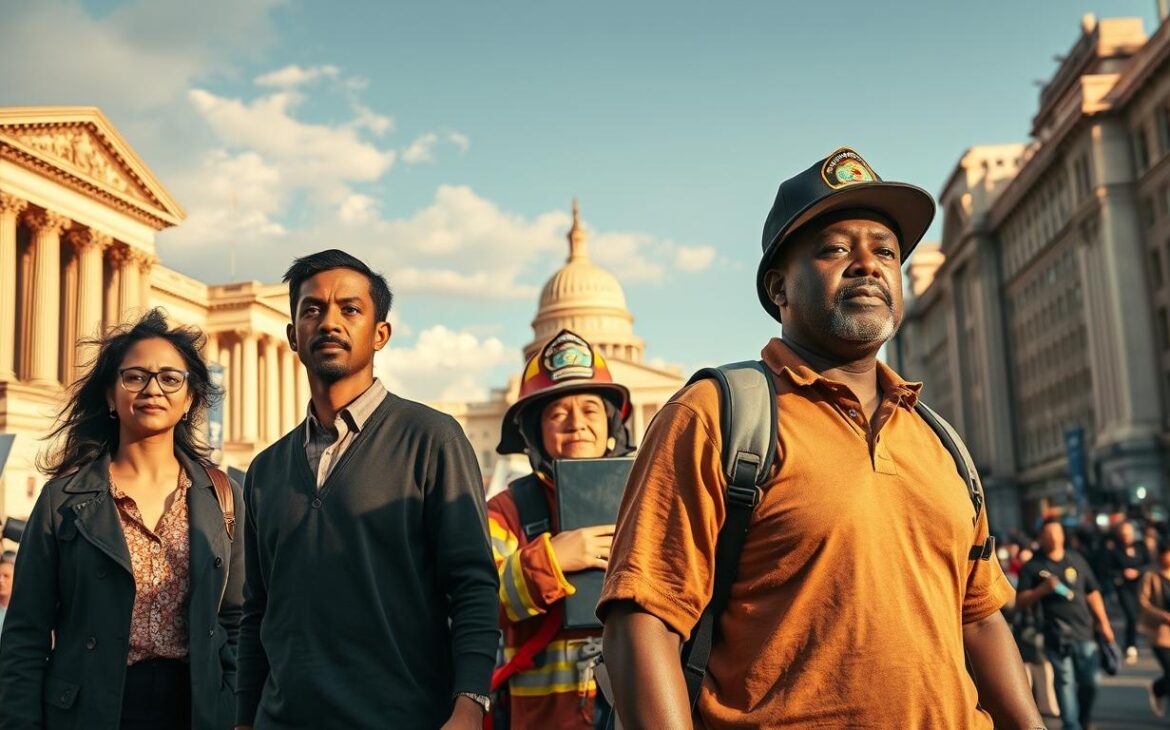
Every act of societal courage sends waves that touch many lives. When someone fights for what’s right or helps others, they show us what’s possible. This bravery makes our communities stronger.
For example, speaking out against wrongs can inspire others to join forces for change. It shows us that together, we can make a big difference.
When we take small risks to do the right thing, we teach others to trust and support each other. Volunteering in tough times or owning up to mistakes at work shows us all that courage is within reach. It’s not just for heroes; it’s for anyone who wants to make a difference.
Research shows that societies bounce back faster when people show bravery. Courage sparks hope, urging others to face their challenges. As the Goodreads quote says, “Courage is contagious; it spreads like a flame.” This mindset makes our families, schools, and workplaces safer places where everyone feels empowered to act.
By valuing societal courage, we build a world where kindness and honesty are celebrated. Over time, this strengthens our bonds and fosters a belief in progress. Every courageous choice helps plant seeds for a fairer future, where everyone can make a difference.
Supporting Everyday Courage
Everyday courage grows when communities unite. Building a strong support network begins with small acts of kindness. Encourage those facing challenges, like coworkers, neighbors, or friends. A simple “I believe in you” can boost someone’s spirit.
Supporting courageis not just about big actions; it’s in the daily interactions.

Groups like “Squad Goals” show how shared goals build resilience. When people come together, they create safe spaces for vulnerability. Humor also helps, as laughter reduces stress.
The “Live, Laugh, Then Laugh Some More” movement shows joy fuels perseverance. Even a joke in tough times can ease burdens.
“A shared laugh is the shortest distance between two people.”
Encourage others by sharing their stories. Use social media or community boards to amplify voices. Active listening is key: sometimes, just being there helps someone find courage.
Small steps like these make supporting courage real. By building these connections, we turn individuals into allies. This creates waves of bravery that go far beyond us.
Recognizing Courage in Our Own Lives
Personal growth starts when we see the quiet moments we choose courage over fear. Small acts, like speaking up or trying something new, build our resilience. These steps show us our own strength, even if we don’t notice at first.
“Courage is the commitment to begin without any guarantee of success.” – Rogers Russell
Practicing mindfulness helps us see these everyday victories. By journaling or reflecting on our choices, we notice patterns of bravery. Each time we pause or take a risk, we grow.
Ask yourself: When did I face a challenge and keep going? Celebrate those moments. Even setbacks show courage, proving we’re willing to learn. Sharing these stories with friends or family can make their impact bigger, reminding us growth often hides in everyday struggles.
Seeing courage in ourselves isn’t about big gestures. It’s about noticing progress in our daily choices. Every step forward, no matter how small, shows our inner strength.
The Challenges Faced by Courageous Individuals
Every act of courage comes with hidden struggles. People facing tough choices often grapple with uncertainty, emotional storms, and physical strain. Mental exhaustion can feel like a heavy weight, making even small decisions feel impossible. Yet, those who persevere often rely on tools like mindfulness in chaos to stay grounded.
Imagine juggling a terminal illness while caring for loved ones. Or rebuilding life after loss, one day at a time. These realities test resilience daily. Studies show that 78% of people in high-stress situations use mindfulness practices to manage anxiety. Staying present helps them avoid getting overwhelmed by “what ifs” or past regrets.
“Courage is not the absence of fear but the choice to act despite it.”
Health crises add another layer of difficulty. Chronic conditions demand constant adaptation. Even routine tasks become monumental. Yet, those who practice mindfulness in chaos report better coping skills. They focus on small victories—like a deep breath during a panic attack or a five-minute meditation session.
Every challenge becomes a teacher. Setbacks reveal strengths we didn’t know we had. By anchoring in the present, people transform struggles into stepping stones. Courage isn’t about never falling—it’s rising again, again, and again, with clarity forged through mindful awareness.
Celebrating Ordinary Courage
Every act of courage, no matter how small, is worth celebrating. An ordinary hero isn’t someone with superhuman strength. They’re the neighbor who stays up late to help a friend, the parent who works overtime, or the student who speaks up for kindness.
These moments shape our communities, often unnoticed yet profoundly impactful.
“Courage is the most important of all virtues, because without it, no other virtue can withstand adversity.”
Think of the local teacher who mentors struggling students or the volunteer who organizes food drives. These ordinary heroes change lives every day. Their actions show us that courage isn’t just for big moments—it’s in the quiet determination.
Recognition starts with saying thank you, sharing on social media, or writing a note. These small gestures can make a big difference.
These heroes remind us that resilience is about thriving, not just surviving. Their stories inspire us to face our own challenges. By sharing their stories, we create a culture that values bravery in everyday life.
Every one of us can honor an ordinary hero. Celebrate the cashier who smiles through a tough shift or the friend who listens without judgment. Every act of courage, when recognized, strengthens our society. Let’s make it a habit to recognize courage as often as we see it.
How to Foster Courage in Future Generations
Teaching fostering courage begins in schools. Teachers can add lessons on resilience to their classes. Workshops on problem-solving or community service show courage in action.
Programs like SEL (Social Emotional Learning) teach empathy and self-awareness. These skills help build bravery. Role models are key. Stories of Rosa Parks or Malala Yousafzai show courage’s power.
When students learn about these figures, they see courage as a choice. Families can talk about bravery in everyday life. Discussing fairness or admitting mistakes helps.
Mindfulness exercises help kids deal with fear. Techniques like breathing or journaling calm emotions. Schools using apps like Calm or Mindful Schools see calmer classrooms.
Parents and teachers must show courage themselves. Admitting mistakes or trying new things is important. Communities can host events where kids lead discussions on kindness.
Fostering courage is a continuous effort. Education, real stories, and safe spaces to practice are key. Every conversation at home or school helps build a braver future.