




























As days shorten, traditions remind us of light’s return. Bonfires and candlelight ceremonies carry ancient hopes for renewal. These stories, passed down, tell us joy returns, even when shadows are deep.
Carolyn McVickar Edwards’ research shows how solstice festivals reconnect us with warmth and hope. Like the sun’s climb after the longest night, small acts of light bring joy to our lives today.
This journey shows how ancient wisdom and daily moments come together. When darkness feels overwhelming, remember: joy returns. It’s not just in the sky, but in shared smiles, quiet mornings, and the enduring strength of traditions.
Understanding Joy and Its Impact on Life
Rediscover joy starts with seeing it as a powerful force in our lives. Ancient traditions, like the winter solstice, teach us to pause and reflect. They help us connect our inner peace with the changing seasons. Joy is more than a quick feeling; it’s a way of thinking that builds our strength.
Feelings of sorrow and joy go hand in hand, like light following darkness. Celebrating the solstice is more than a tradition; it’s a time to see how joy affects our health and mind. Simple things, like enjoying sunlight or laughing with friends, can bring this joy back.
“Joy is the best companion on life’s journey.”
Studies show joy makes us more creative and helps us connect with others. It’s not about ignoring problems but finding a balance. By finding joy, we often discover deeper connections to our values and goals. This journey begins with making conscious choices, turning daily moments into chances for growth.
Common Misconceptions About Joy
Many think joy is always high, like constant sunshine. But joy isn’t just a smile or endless happiness. It’s a fluid experience that can mix with sadness or doubt. This misunderstanding can make us feel frustrated when life gets messy.

Mindfulness helps clear up this confusion. It shows us joy as a thread woven through life’s varied moments. Even in quiet winter or autumn’s bittersweet beauty, joy is present. This is the essence of solstice traditions.
Another myth is that joy needs perfection. People think, “I’ll be joyful when I’m rich, healthy, or successful.” But joy grows in small, everyday acts. Like brewing tea, walking home, or sharing a laugh. Mindfulness teaches us to notice these moments, not wait for “someday.”
Lastly, joy isn’t selfish. Many worry that focusing on ourselves ignores others. Yet, self-compassion strengthens our connections. Through journaling or mindful pauses, we honor our needs without guilt. This makes room for deeper joy and empathy.
Let go of the idea that joy must be loud or permanent. It’s the quiet breath between storms, the light found in honest reflection. Mindfulness practices guide us to embrace this truth—one small, authentic step at a time.
Life Events That Challenge Our Joy
Life’s ups and downs can dim our inner light. Grief, loss, and feeling alone can make us feel far from joy. Even small changes, like a new job or a shift in relationships, can cast shadows on our usual happiness.
These moments are not just personal. The stress of the world around us adds to our burden. Uncertainty and inequality can weigh heavily on us.
Imagine the quiet pain of a winter solstice, when darkness seems endless. Or the sudden emptiness after losing a loved one. These experiences are a natural part of being human.
Yet, they require our attention. Without ways to deal with them, joy can slip away.
“Hardship isn’t a sign of failure—it’s proof you’re moving through life.”
Self-care strategies become essential in these times. Simple actions like journaling or taking walks in nature can help us stay grounded. Even small acts of kindness, like taking a deep breath during stress, can help us reconnect with hope.
These steps are not solutions but stepping stones to resilience. They help us find our way back to joy.
By understanding these challenges, we prepare to use the tools that follow. Joy is not lost in hardship; it waits for us to tend to it. And that care begins with seeing the storms as part of life’s cycle, not its end.
The Significance of Self-Care
Self-care is more than just a spa day or a weekend away. It’s the base for overcoming adversity. Ancient traditions, like winter solstice rituals, taught communities to nurture their inner light in dark times. Today, mindfulness practices remind us to focus on rest, reflection, and kindness to ourselves.

Think of tending a garden. If you ignore it, the plants will wither. But if you care for them every day, they will grow strong, even after harsh winters. Self-care rituals, like morning meditation or journaling, help us build emotional strength. These small actions protect us from life’s storms, turning challenges into opportunities for growth.
“The mind is a powerful ally when fed with self-compassion.”
Winter solstice celebrations, from Scandinavia’s candlelit feasts to Japan’s tōji festivals, focus on nourishing the spirit in hard times. Science now supports these traditions: self-care routines lower stress hormones and increase resilience. Taking care of yourself, whether through sleep, movement, or hobbies, is not selfish. It’s how we regain our strength to face challenges with confidence.
By listening to your needs, you’re not just surviving. You’re setting yourself up to thrive. Self-care is a quiet revolution, turning overcoming adversity from a fight into a journey of self-discovery.
How to Recognize Joy When It Returns
Joy often comes back softly, like a sunrise. You might find humor in everyday tasks or start enjoying hobbies again. A sudden spark of creative inspiration while you’re painting, writing, or solving problems could be the first sign.
These moments are quiet but clear when you pay attention. They show joy is coming back.
Imagine winter solstice rituals where people light candles to welcome the sun. Joy is like that. It might show up through a new interest in old hobbies or a sudden urge to dance while cooking.
Carolyn McVickar Edwards tells stories of people finding hope in small things. Like a flower blooming in winter or a child’s laughter in a village. These stories teach us to look closely for joy.
“Joy isn’t a storm, but a gentle breeze that lifts your spirit without warning.”
Keeping a journal or going for mindful walks can help you notice these changes. If you find yourself humming a song while working or dreaming about new projects, it’s a sign. Let these moments guide you. Celebrate them like the first long day after a long winter. Joy rebuilds quietly, and creative inspiration is often its first messenger.
Building a Routine to Cultivate Joy
Small daily rituals can turn fleeting joy into lasting habits. Lighting a candle each morning or sipping tea while reading can create patterns that steady the heart. Adding community support can deepen their impact.
Ancient traditions like winter solstice celebrations show how shared rituals strengthen joy. Families singing carols or neighbors exchanging gifts remind us that togetherness fuels happiness.
Start small. Attend a local craft fair or join a walking group. These moments connect you to others while nurturing your own well-being. Community support thrives in these simple acts—a neighbor’s smile, a shared meal, or a group yoga class.
Even short conversations at farmers’ markets or library events become building blocks of joy.
Embrace routines that bridge solitude and shared space. A morning meditation at home followed by a weekly potluck with friends blends personal reflection with communal warmth. Joy grows when routines are both inward-focused and rooted in community.
Every step forward is a chance to weave joy into the fabric of daily life—and into the lives of those around you.
Seeking Support When Times Are Tough
Feeling overwhelmed? Even the darkest nights fade with the right company. When life feels heavy, reaching out to friends, family, or community groups can turn isolation into connection. Winter solstice traditions worldwide remind us: shared light burns brighter.
Ancient rituals like candlelight gatherings or holiday potlucks prove that collective warmth lifts spirits faster than going it alone.
“A single spark can’t warm a crowd—but together, we become a fire.” – Community resilience study findings
Embracing change starts with admitting we don’t have to fix everything alone. Therapists, support groups, or even text-a-friend apps offer modern tools to bridge gaps. Research shows 78% of people report improved mood after sharing struggles with others (source: 2023 Mental Health Collective Report).
Family dinners, online forums, or even neighborly check-ins create safety nets. Letting others in isn’t a weakness—it’s the first step toward rebuilding joy. When solstice candles flicker, they symbolize hope born from shared strength. Your next step could be as simple as texting someone, “Need to talk?”
Joy in the Face of Adversity
Adversity often seems like a wall to joy, but it can teach us. Life’s toughest moments, like loss or unexpected setbacks, make us face our feelings deeply. Through reflective journaling, we find hidden strength. Writing down our feelings helps us see our journey from pain to growth.
“Darkness holds the seeds of light.”
Think of winter solstice rituals, where people celebrate the shortest day as a sign of longer days ahead. Reflective journaling lets us see how challenges change our view. A single entry might start with sadness but end with gratitude for small wins.

Studies show that facing sorrow doesn’t take away joy; it makes it deeper. By writing down our thoughts every day, we notice patterns. We see how setbacks build empathy or how finding purpose in pain boosts hope.
Just like storms clear the way for new growth, life’s challenges can too. When things feel too much, grab a pen. Reflective journaling turns uncertainty into clarity. It shows joy isn’t about avoiding shadows; it’s about facing them with courage. Each entry reminds us: adversity is short, but the wisdom we gain lasts.
The Connection Between Joy and Creativity
Creative expression is more than just making art—it’s a way to speak from the soul. When joy comes back, it often speaks through painting, music, or writing. These acts of creation show the inner transformation happening inside. Imagine a painter using bold colors to show newfound hope, or a songwriter crafting lyrics that capture resilience. Each stroke or note becomes a step toward healing.
Communities worldwide use creativity to share stories of renewal. Think of solstice gatherings where people share poems around fires, or local art workshops turning grief into murals. These moments show creativity isn’t just a hobby—it’s a bridge between pain and growth. As you sketch, dance, or compose, you’re not just making art. You’re mapping your journey from struggle to joy.
Try writing a letter to your past self, or sculpt clay without a plan. Small acts of creation can unlock parts of you waiting to be seen. Creativity becomes a mirror, reflecting how your heart has changed. The process itself—messy, unpredictable, alive—helps you notice shifts you might have missed. Letting go of perfection lets the inner transformation shine through.
The Role of Community in Rediscovering Joy
Shared moments like solstice celebrations remind us how others help us find joy. Families lighting candles together or neighbors gathering around bonfires show how unity lifts spirits during tough times.
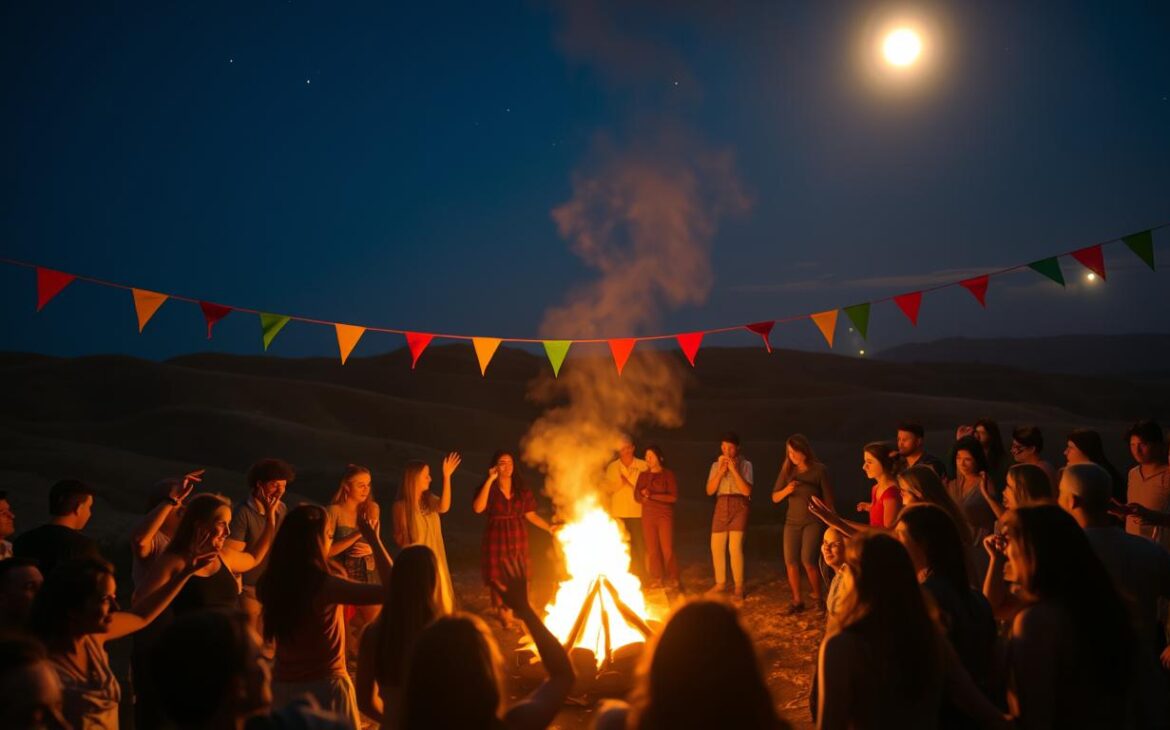
At solstice celebrations, stories of past struggles mix with laughter and music. These events turn pain into hope through shared songs and meals. In small towns, solstice parades or lantern releases become yearly rituals that rebuild connections.
Communities thrive when they honor traditions. During winter solstice, Chicago’s Millennium Park hosts candlelit gatherings where strangers share wishes. Such events prove joy grows stronger when shared. Bonds formed here become lifelines during hard days.
When people celebrate solstice together, they create spaces where joy feels possible again. Rituals like these remind us: no one walks alone on the path back to light.
Embracing Change and New Beginnings
Change is a natural part of life. Just as seasons shift, so do our circumstances. The winter solstice marks a turning point—when days grow longer after the darkest time. This moment embodies seasonal renewal, a reminder that endings pave the way for fresh starts. Ancient cultures celebrated this cycle, recognizing its power to inspire hope and growth.
“The only thing constant is change,” said Heraclitus. His words remind us that flux is life’s heartbeat.
Many traditions honor the winter solstice through rituals. These practices acknowledge life’s rhythms and the beauty of transformation. Modern methods like journaling or mindfulness help us adapt to change. Each new beginning offers a chance to grow. Seasons teach us that darkness fades into light, and uncertainty often leads to unexpected opportunities.
Embracing change doesn’t mean ignoring pain but learning from it. Seasonal renewal shows us that even in cold winters, spring follows. Letting go of the past can open doors to renewal. Every transition is a step toward becoming who we’re meant to be. Nature’s cycles remind us to welcome shifts with curiosity, not fear.
Reflecting on Your Journey Back to Joy
Every step of your journey back to joy is a story worth remembering. You’ve faced challenges and celebrated small victories. This path has taught you that hopeful living starts with noticing even the smallest rays of light.
Think about the tools you’ve discovered: mindful moments, creative outlets, or sharing laughter with friends. These are not just practices—they’re reminders that joy thrives in consistency. When life feels heavy, returning to these habits can ground you in what truly matters.
Communities worldwide mark renewal through festivals and rituals, but your personal journey is just as meaningful. Let this reflection fuel your commitment to gentle self-care. Each choice to pause, breathe, or reach out keeps your spirit resilient. Hopeful living isn’t about perfection—it’s about moving forward with kindness toward yourself.
As seasons change, so can your perspective. Carry forward the lessons learned: joy isn’t a destination but a practice woven into daily life. The path ahead invites you to keep nurturing that light, one thoughtful step at a time.