












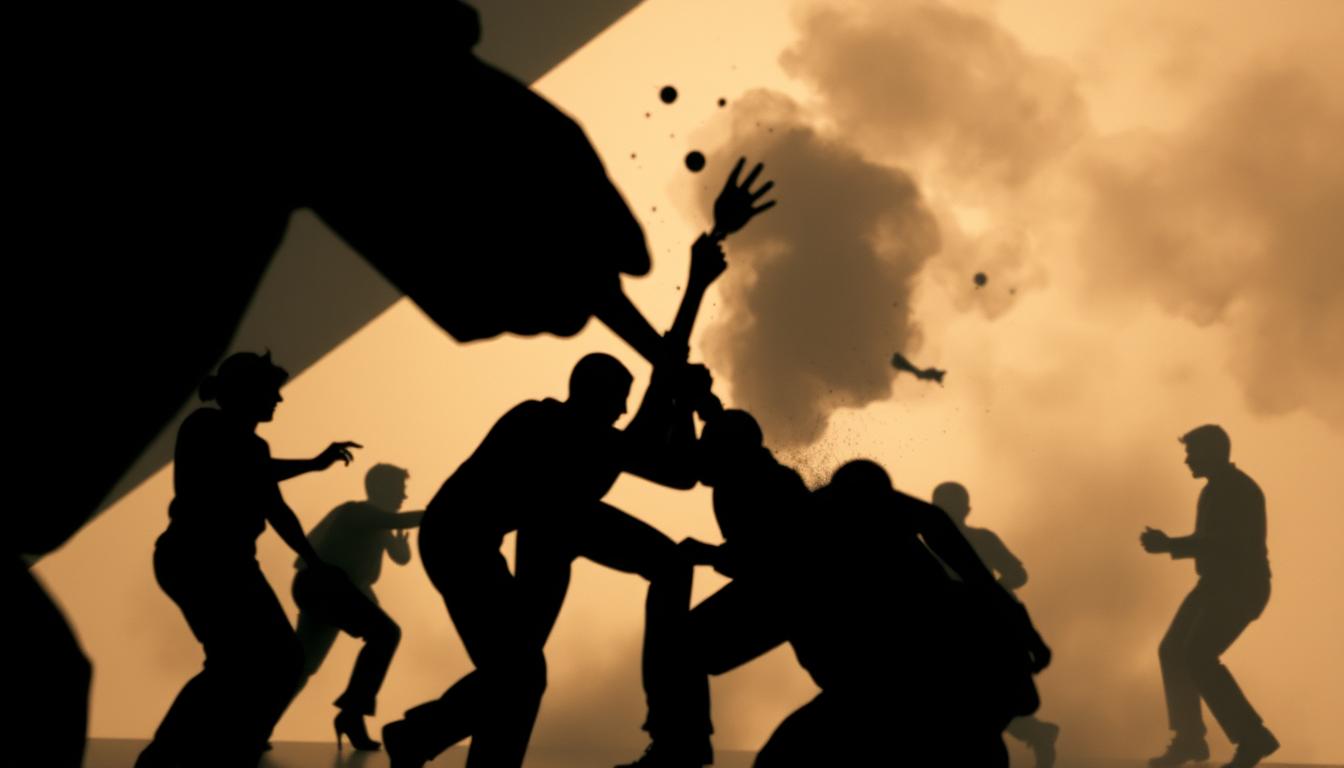
Ever think about how new ideas come to life? Creative tension is key. It’s the push and pull between making something new and learning from the past. This balance is at the core of every creator’s work.
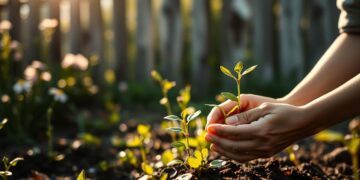
Imagine a seed growing in soil. It needs sunlight (originality) and nutrients (influence) to grow. Creativity works the same way. It mixes personal ideas with lessons from history.
For example, Columbus’s voyage was a mix of exploration (originality) and using existing maps (influence). Biblical stories of creation also show this balance. They tell of shaping the world from nothing, yet following a divine plan.
Ecology teaches us about balance. Forests need both unique species and connections to thrive. Creators must find this balance too. It’s not about picking one side. It’s about how they work together.
Understanding Originality in Creation
Artistic originality begins with a spark of imagination. For centuries, creators have tried to find what makes their work unique. The Genesis story of creation, where light comes from darkness, shows this quest.
Just as the universe started with a bold act, every artist’s journey begins with an original idea.
Today, people wonder how artistic originality works in a connected world. A sculptor or a songwriter faces the same challenge: blending personal vision with outside influences. Innovation happens when creators mix their voice with the world.
Picasso once said:
“Art is the lie that enables us to realize the truth.”
His words highlight how imitation can lead to new insights.
Technology makes this balance harder. Algorithms and AI tools create art, raising questions about human creativity. Yet, originality in art depends on the creator’s intent. Whether it’s painting, coding, or writing, the goal is to express something real.
The Nature of Influence in Creativity
Influential creativity is shaped by the world around us. Fashion trends and technological breakthroughs influence every creator. Cultural shifts, historical moments, and scientific advancements guide ideas into existence.
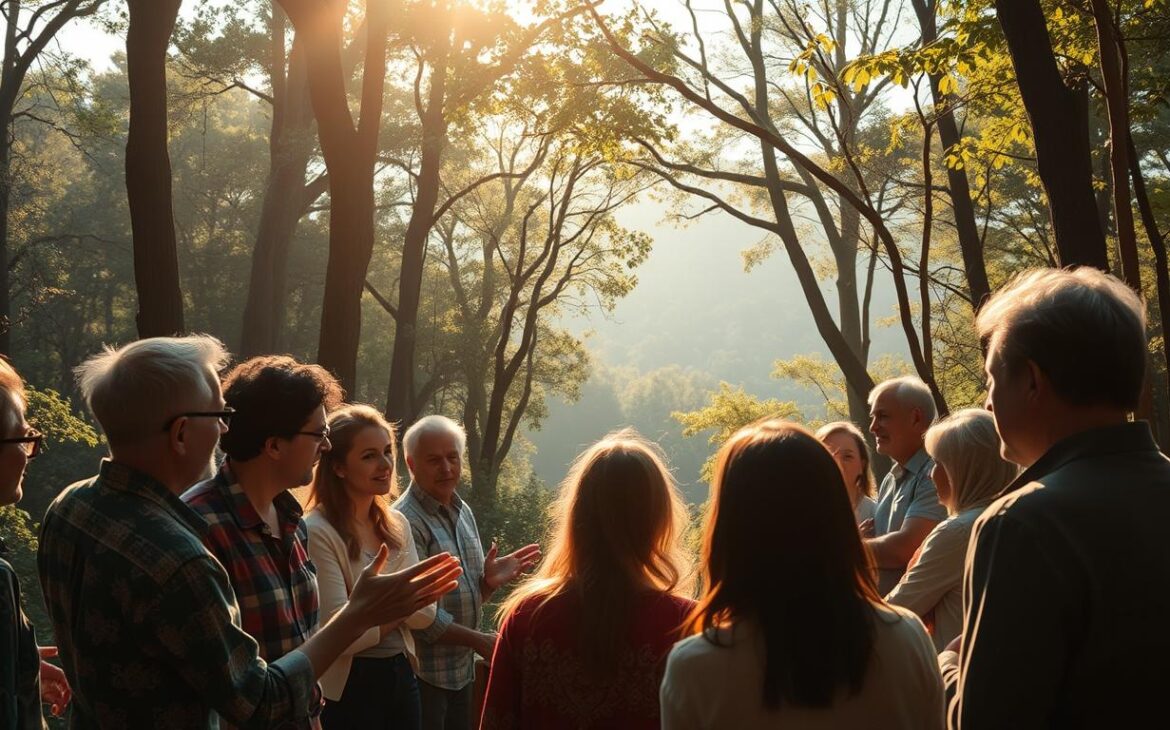
Biological interconnection also plays a role. Humans draw from shared experiences. Renaissance art borrowed from ancient Greek statues, and modern apps mimic nature’s patterns. Language evolves through borrowed phrases and metaphors.
Society’s expectations push creators to adapt. Musicians blend genres after hearing global sounds. Writers channel societal issues into stories. This exchange isn’t theft—it’s evolution. Influence fuels growth, turning inspiration into something new.
Understanding this doesn’t diminish originality. It shows how influential creativity is a dialogue between past and present. Every masterpiece, invention, or poem is a response to what came before, adding layers to humanity’s shared canvas.
The Interplay Between Originality and Influence
Creative interplay is at the heart of every creation. Artists mix inspiration with their own vision, just like bacteria help humans. A painter might use nature’s colors but create new techniques. This mix leads to innovation while keeping their unique touch.
Ecological systems show the importance of balance. Trees use sunlight to grow and give oxygen. Creators borrow ideas but add their own twist. For example, Michelangelo’s Sistine Chapel combined classical myths with his bold style.
Religious texts also talk about balance. Genesis describes creation as interconnected parts. A sculptor might carve marble, showing skill and inspiration from ancient forms. Originality grows when influences are used as tools, not just followed.
History shows the power of blending old and new. The Harlem Renaissance mixed African heritage with modern jazz. Writers like Langston Hughes combined folk rhythms with poetic innovation. Their work became landmarks, showing that borrowing and originality can go hand in hand.
Case Studies of Originality vs. Influence
Case studies often show how bold ideas meet external pressures. Christopher Columbus’s 1492 voyage is a prime example. He aimed to find new trade routes but ended up changing the world’s ecosystems and cultures. This shows how influence can change even the most personal dreams.
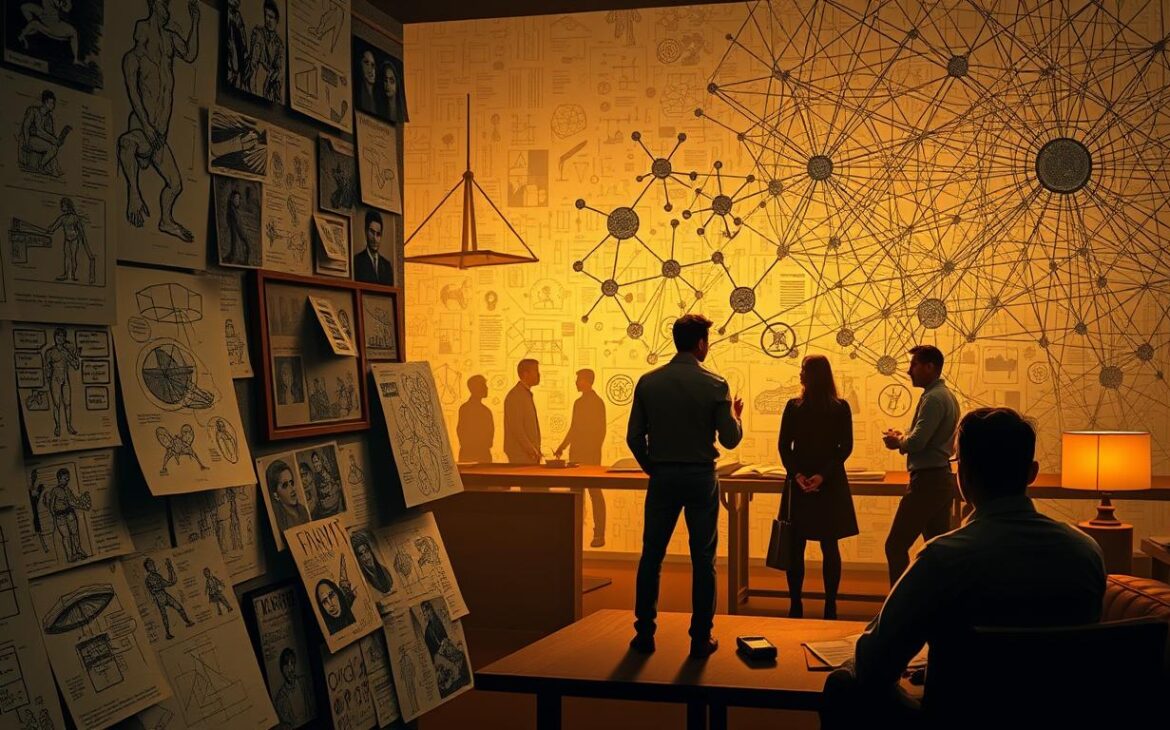
“Originality is the key to creativity, but influence is the canvas,” noted art historian Linda Nochlin, capturing the tension between innovation and tradition.
After Columbus’s journey, the world changed in ways he didn’t plan. Medieval artists like Giotto were inspired by the Bible. They mixed old traditions with new ideas in their art.
Today, hip-hop shows how old sounds can become new art. It blends samples with fresh beats. These examples show that creativity grows when we use our own voice and the world’s influence.
Challenges Faced by Creators
Creators today face many creative challenges. They deal with both their own doubts and outside pressures. It’s hard to balance what they want to do with what others expect.
Artists, writers, and innovators must keep up with new trends. Yet, they also need to stay true to themselves. This struggle is what makes modern creativity so complex.
Market trends and what society expects add to the problem. Climate scientists, for example, must explain urgent issues like deforestation or global warming. They need to be both accurate and engaging to get people to act.
Looking at history, like the Mayan decline due to environmental mistakes, shows a pattern. Creativity often thrives when it adapts to big challenges.
“Constraints are the soil where innovation grows.”
Technological changes make things even tougher. AI and social media demand constant updates without losing one’s true self. But, every problem has a silver lining.
Seeing creative challenges as opportunities can help. The secret is to be flexible and strong. Every hurdle is a chance to explore new possibilities.
Strategies for Navigating Tension
Creative collaboration brings new views without losing your voice. Rev Joshua Penduck says creativity strategies work when you seek feedback but stay true to your vision. Begin by listing what inspires you, then combine these ideas in new ways.
Pixar’s “braintrust” meetings are a great example. They mix honest feedback with respect, turning it into a source of strength, not weakness.
“Originality grows when you plant seeds from others’ work but water them with your own hands.” – Rev Joshua Penduck
Find a balance between research and self-reflection. Absorb different art, tech trends, or cultural shifts. Then, step back and think: How does this spark my unique angle?
Japanese artist Yayoi Kusama shows how blending styles can deepen, not dilute, originality. Modern tools like AI platforms can expand your options but should be used mindfully.
Try taking small risks in your creativity. Write a song with someone else’s melody or design a logo that combines two styles. These small steps build confidence in balancing influence and innovation.
Remember, every creative giant started where you are today. They were curious, adaptable, and brave enough to let inspiration and their own voice coexist.
The Role of Technology in Creation
Today, technology plays a big role in the creative process. Tools like Adobe Photoshop or Procreate help artists sketch, edit, and share their work quickly. AI platforms like OpenAI’s DALL-E and MidJourney turn text into art, opening up new possibilities. This lets creators work faster, combining human creativity with machine precision.
Digital platforms like TikTok and Instagram make smartphones global stages. A viral idea can spread to millions in one night. But, this fast pace also brings pressure. Algorithms often favor popular styles, pushing creators to keep up or risk being forgotten.
For example, music producers use Ableton Live to mix tracks. Yet, streaming platforms’ recommendations often focus on hits over unique sounds.
New tech like VR and 3D modeling brings new ways to create. But, relying too much on tools can limit spontaneity. A painter using Wacom tablets might work more efficiently but could lose the feel of real paint.
The key is to use technology as a tool, not a boss. Creators must stay flexible. Whether making videos, music, or art, technology gives freedom but requires careful choices. Finding the right balance ensures technology enhances creativity, not the other way around.
How Audience Perception Affects Creativity
Audience perception guides every creative choice, from music to movies. Social media turns feedback into real-time data, pushing artists to adapt. Fans’ reactions on platforms like TikTok or Reddit now directly influence music releases and TV plot twists. This pressure can spark innovation but also limit risk-taking.
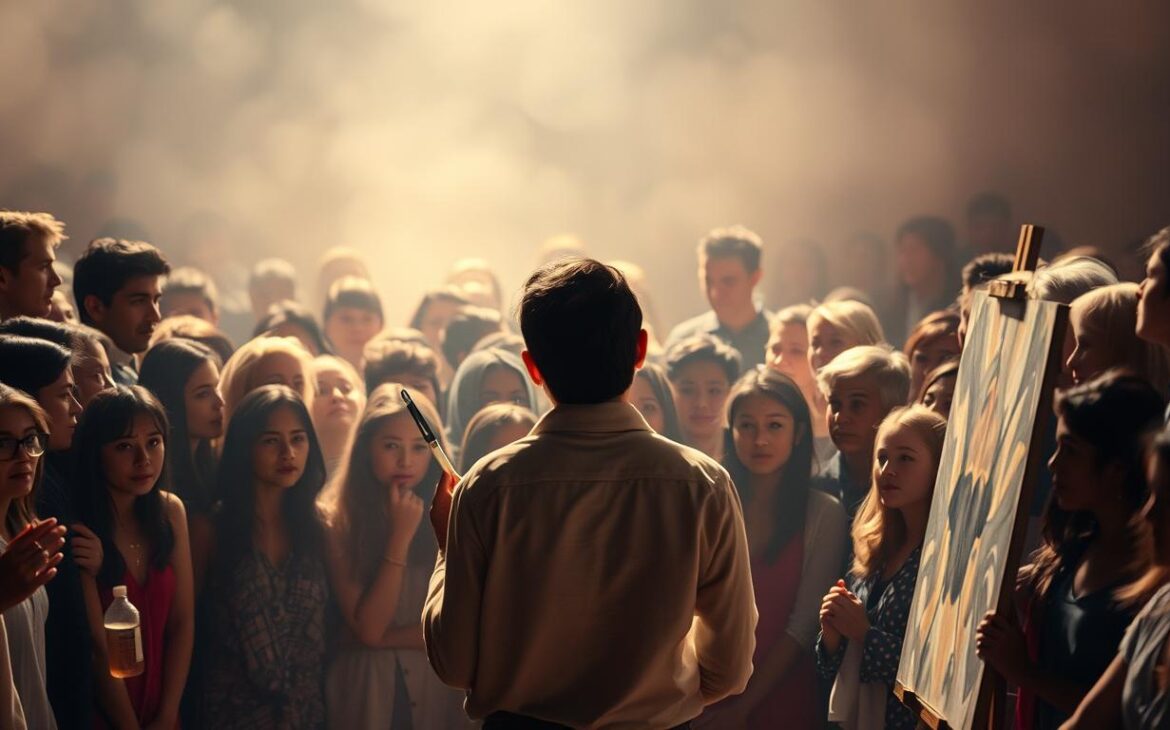
Creators often mirror cultural trends to stay relevant. A 2023 study by MIT’s Media Lab found that 68% of indie filmmakers adjust scripts based on crowdfunding campaign comments. Like ecosystems adapting to climate shifts, artists tweak their work to survive in shifting landscapes. But overemphasis on trends risks diluting originality.
Take Taylor Swift’s “Folklore” album. Its sudden success without prior promotion showed that balancing audience perception with personal vision works. Critics praised her authenticity even as fans celebrated the surprise release. The key? Listening to feedback without losing creative core values.
Remember: Audience perception is a tool, not a rule. Use it to connect, not control. Stay true to your voice while staying open to what listeners love. Great art thrives where audience insight meets bold vision.
The Future of Creativity
New technologies are changing the future of creativity. AI tools and global platforms help creators work faster than before. Think about virtual reality art galleries or music suggestions from algorithms. These changes make our imagination stronger, not weaker.
“The future of creativity lies at the intersection of human curiosity and machine intelligence.” — Dr. Fei-Fei Li, Stanford University
Art is now focusing on the environment, like sculptures made from recycled plastic. Interactive installations raise awareness about climate change. Platforms like TikTok and VR spaces let artists mix global cultures, reaching people everywhere.
Schools are teaching coding and design thinking along with traditional arts. This prepares students to solve global problems with creative solutions. The future of creativity is not just making art. It’s about solving problems with new, bold ideas.
As technology grows and cultures connect, creativity’s future rewards those who mix tradition with innovation. Using new tools and perspectives opens up fresh ways to share ideas. The next decade will see creators combining ethics with technology. They will make art that tackles challenges and celebrates diversity.
Conclusion: Finding Harmony
Every creator’s journey is about finding a balance. They mix their unique voice with the world’s influences. This mix shapes ideas that touch many hearts.
From AI tools to ancient stories, influences help but don’t hold back creativity. This balance is key to making something truly special.
Creative harmony happens when creators accept both sides. Artists like Picasso blended old and new, showing that inspiration and originality can go together. Today, platforms like Instagram and TikTok let trends spark creativity while keeping it unique.
The goal is not to choose one over the other. It’s about combining them in a new way.
As people seek realness, finding harmony is vital for lasting impact. Let curiosity lead your way. Try out tools like Canva or Spotify, but always stay true to your vision.
The best work often comes from where influence meets originality. Keep creating and learning. Let that balance guide you to creative harmony.