




























Ever felt like tension in your jaw or shoulders blocks your creativity? Letting go of this physical tightness can unlock your creative freedom of letting go. This freedom fuels your inspiration. Research from the American Psychological Association shows that even small releases, like relaxing clenched muscles, can clear your mind for new ideas.
Stress in our bodies is like squeezing a water hose. It slows down the flow. Artists and innovators like Maya Angelou and Steve Jobs found that releasing control over small physical habits boosted their creativity. This article will show how unclenching—both literally and metaphorically—can turn stuck thoughts into flowing possibilities.
Understanding the Concept of Letting Go
Mindful unclenching is about recognizing how tension blocks creativity. Think of your mind and body as a tightly wound spring. When you hold on too tightly, ideas get stuck.
Letting go isn’t about giving up—it’s about creating space to explore new directions. It’s like releasing physical stiffness in your shoulders or the mental grip on outdated habits.
Progressive relaxation techniques help here. By focusing on each muscle group, you can literally feel tension melt away. This practice isn’t just physical; it primes the brain to approach challenges differently.
When you unclench, you open pathways for fresh perspectives to flow in. Creativity thrives in this relaxed state, free from the weight of overthinking.
“Creativity requires the courage to let go of what’s familiar.”
Even small moments of mindful unclenching—like pausing to breathe deeply—can shift your mindset. It’s about trust: trusting that releasing control doesn’t mean losing focus.
Artists and innovators often describe breakthroughs happening when they stopped forcing ideas. Their stories show that letting go isn’t passive—it’s an active choice to embrace possibility.
This mindset shift isn’t easy, but it’s a skill anyone can build. Start with body awareness. Notice where you hold tension. Then, consciously release it.
Over time, this physical practice becomes a mental habit, making room for the unexpected. Mindful unclenching isn’t just about relaxation—it’s the first step toward unlocking your full creative potential.
The Benefits of Letting Go
Releasing physical tension brings mental freedom. When you relax your jaw or shoulders, your body tells your brain to relax too. Stress relief techniques like jaw stretches or shoulder rolls can ease headaches and backaches, helping you think clearer.
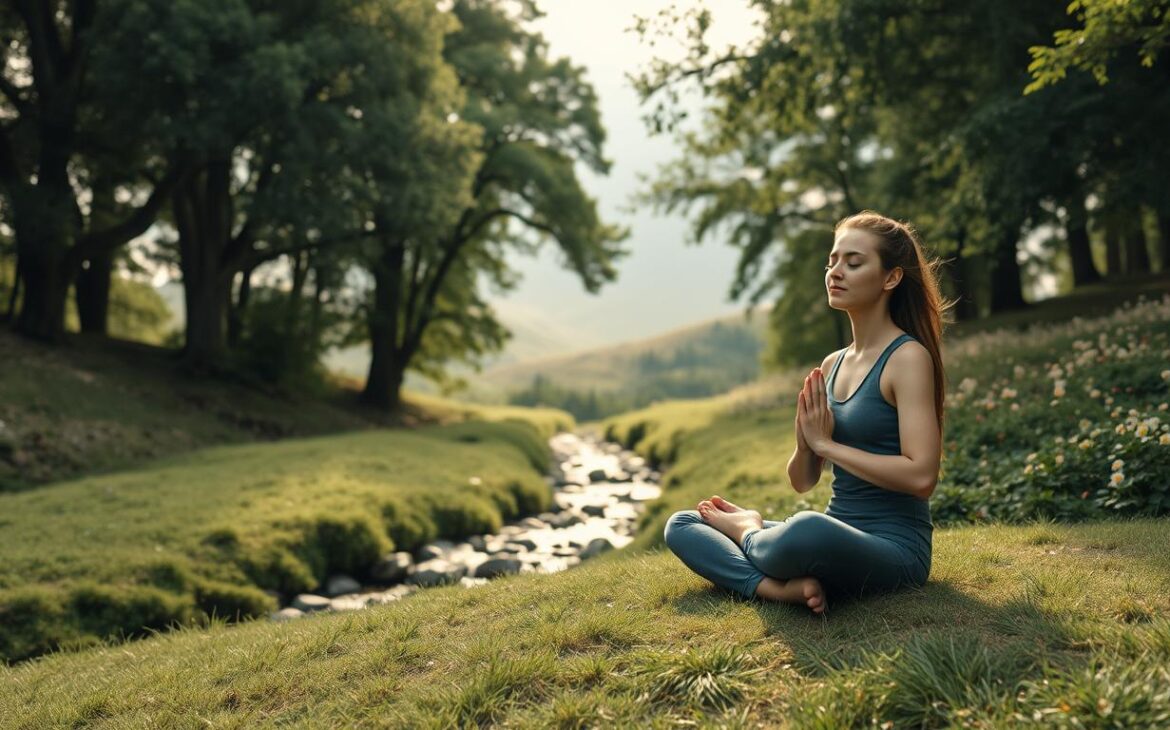
Studies show that regular relaxation practices lower cortisol levels. Activities like deep breathing or yoga stretch muscles and reduce stress hormones. This change helps your creative flow, turning tension into energy for new ideas.
A 2023 study in the Journal of Behavioral Medicine found that daily stress relief techniques improved problem-solving abilities by 28% in participants.
Think of how much more you could create if your body wasn’t tense. Letting go isn’t about stopping— it’s about making space for what’s important. Start small: try loosening your grip on your phone, then your jaw, and see how creativity returns. Your muscles—and mind—will appreciate it.
Overcoming Fear of Failure
Feeling stuck by the fear of failing? Imagine your body holding tension like a clenched fist. Just as unclenching releases physical strain, overcoming fear frees creativity. Fear often starts small but grows with hesitation. Notice tight shoulders or a racing heart—these are signs your mind is resisting progress.
Thomas Edison failed thousands of times before creating the lightbulb. His journey shows how setbacks fuel innovation. When fear strikes, pause and breathe deeply. Physical relaxation signals the brain it’s safe to try again. Small steps, like sketching an imperfect draft or sharing a rough idea, build courage.
“I have not failed. I’ve just found 10,000 ways that won’t work.” — Thomas Edison
Overcoming fear isn’t about erasing doubt but moving past it. Artists like J.K. Rowling faced rejections before publishing Harry Potter. Their stories remind us failure is a teacher, not a roadblock. Celebrate attempts, even flawed ones. Each try loosens the grip of fear, making room for breakthroughs.
Next time doubt arises, ask: What’s the worst that happens? Most creative risks lead to growth, not ruin. Let go of perfectionism, and watch ideas flow freely.
The Role of Vulnerability in Creativity
Creative vulnerability is at the core of original art. By letting go of control, you make room for real, genuine ideas. It’s like stretching a stiff muscle—relaxation brings flexibility, while tension blocks it.
Artists who embrace this mindset often find their most impactful work comes from moments of openness. This openness is key to creating something truly original.

Think of a sculptor holding chisels too tightly, afraid to carve away “perfect” stone. Their fear freezes creativity. But imagine them relaxing, trusting each strike might reveal something new.
This shift, from clenched fists to open hands, marks the start of creative vulnerability. It’s not about weakness; it’s about daring to show unpolished thoughts.
Progressive relaxation teaches us to release physical tension, but it also teaches emotional release. When writers stop editing sentences mid-sentence or painters stop overthinking brushstrokes, they enter a flow state. This state is rooted in trust.
This mindset is similar to what innovators like Maya Angelou practice. She said, “You can’t use up creativity. The more you give it, the more you have.”
See creative vulnerability as a tool, not a risk. Letting go of perfectionism opens up space for ideas that truly resonate. Your next masterpiece might start with one simple step: loosening your mental grip and trusting the process.
Practices for Embracing Letting Go
“The mind mirrors the body—release one, and the other follows.” — Jon Kabat-Zinn
Start with something simple. Jaw release is a great place to begin. Sit quietly and place your fingers under your chin. Press down gently while you breathe deeply.
Hold for 10 seconds, then let go. Do this three times. It helps loosen physical tension and opens up your mind to letting go.
Progressive muscle relaxation is another effective method. It was developed by Edmund Jacobson. Start by tensing each muscle group from your toes up to your head, then relax them.
Pay attention to your breathing between each step. This practice helps you feel more relaxed and mentally clear. It’s a step towards embracing letting go.
Remember, these practices are about making progress, not achieving perfection. Try them every day. As you do, you’ll find your body and mind becoming more relaxed. Letting go will become second nature, not a challenge.
Setting Healthy Creative Boundaries
Healthy creative boundaries help you keep your energy and focus. They let your creativity flow without burning out. Think of them like a gardener caring for a plant, directing your efforts where they count most.
Without these boundaries, you might overcommit and lose your spark. But with them, you focus on what truly inspires you.

Mindfulness helps you know when to take a step back. Make time for creating and clearly state your limits. Tools like Trello or Google Calendar help keep you organized and reduce stress from too many demands.
Saying no to distractions keeps your focus sharp. It’s a simple yet powerful way to maintain your creative edge.
Begin with small steps: dedicate just 30 minutes each day to your craft. Share your schedule with others to set clear expectations. Over time, these habits will become second nature.
Remember, boundaries aren’t about restriction; they’re about creating space for your creativity to flourish. Artists like Maya Angelou and J.K. Rowling knew this well. They thrived by protecting their time and energy.
Your boundaries can do the same for you. They allow you to innovate freely, without the burden of guilt. This way, your work remains driven by passion, not pressure.
The Importance of Collaboration
Collaborative creativity is more than just sharing ideas. It’s a way to reduce stress and boost innovation. When artists, writers, or designers work together, they combine their strengths. This turns individual challenges into group successes.
By embracing collaborative creativity, creators get new ideas. These ideas lead to breakthroughs.
“Group practices like shared brainstorming sessions help ease creative tension by distributing the pressure of perfectionism.”
Techniques like peer feedback loops or co-creation workshops turn isolation into support. Research shows teams that collaborate solve problems quicker. They also create more original work.
Platforms like Behance or Adobe Creative Cloud make digital collaboration easy. The secret is building trust. This way, everyone can contribute freely. Next time you’re stuck, try collaborating. It might just spark the idea you need.
Insights from Successful Creative Minds
Inspirational creative minds often talk about letting go. J.K. Rowling, for example, turned failure into Harry Potter’s success. She said, “Rock bottom became the solid foundation on which I rebuilt my life.” Her story shows how releasing mental tension can unlock creativity.
“Creativity takes courage.”—Pablo Picasso
Picasso was bold in his art, showing that fearlessness leads to innovation. He broke rules and created new art forms like cubism. Elizabeth Gilbert also talks about how important it is to focus on the process, not just the outcome.

Martha Graham, a famous choreographer, meditated every day to clear her mind. This matches the article’s advice on overcoming mental blocks. Steve Jobs also believed in letting go, saying dropping out of college helped him see connections later.
These stories show that creative minds value freedom over control. They use mindfulness, vulnerability, and curiosity to find breakthroughs. Whether in art, writing, or invention, their stories teach us that true innovation comes when we let go of old patterns.
Maintaining Balance in Your Creative Life
A balanced creative life begins with small, consistent habits. Artists and writers often forget the importance of rest. Routines like progressive muscle relaxation can reset the body and mind.
Just five minutes a day to tense and release muscles can quiet overactive thoughts. This frees up space for creativity.
“Creativity thrives when we nourish both mind and body,” says author and mindfulness coach Sarah Blake. “Even ten minutes of mindful breathing before starting work can shift focus and energy.”
Getting enough sleep is essential. Aim for 7-9 hours each night. Sleep recharges the brain, making it easier to solve problems and come up with new ideas.
Short walks or stretching breaks can also help break mental blocks. Over time, these steps create a rhythm that supports both passion and well-being.
Keep track of your progress with a simple journal. Note when projects feel joyful versus stressful. Slowly adjust your habits to include both creative and downtime.
A balanced creative life isn’t about being perfect. It’s about finding what brings joy without leading to burnout.
Remember, balance changes over time. Try different things: a morning meditation app, weekend hobbies, or weekly check-ins with a mentor. Small changes today can lead to long-term resilience and inspiration.
The Impact of Environment on Creativity
Your surroundings have a big creative environmental influence. Even small changes can spark new ideas. Studies show that natural light and plants help focus and imagination. But clutter and noise can stop creativity.
Physical settings are key. A 2023 study in the Journal of Environmental Psychology found offices with windows boost productivity by 15%. Try moving your desk near a window or adding plants. Nature calms the mind, opening up new ideas.
Social environments also affect creativity. Too much news or toxic talks can drain energy. The American Psychological Association says 63% of people feel stressed by social media. Set screen-free times or join supportive groups instead.
“A cluttered room breeds a cluttered mind.” — Elizabeth Gilbert, author of Big Magic
Think about what lifts or weighs down your creativity. Replace negative with positive influences. Small changes like softer lights or music can make a stressful space creative. Your environment is more than a backdrop; it’s a partner in your creative journey.
Taking Action: Steps to Letting Go
Ready to make your ideas happen? Start with these steps to free your mind. First, relax your body by doing jaw exercises every day. Also, take short breaks to breathe mindfully. These habits help new ideas come to life.
Next, change your thinking. Write down what scares you or holds you back. Cross it out every day to show you’re letting go. Share your creative ideas with someone you trust. This builds your courage.
Make your space inspiring. Change your workspace every week to spark new ideas. Listen to music or add plants to boost energy. Join groups online or locally to meet others who value creativity.
Keep track of your progress. Note when you paused or tried something new. Celebrate your small victories, like finishing a draft. These steps will boost your confidence over time.
Consistency is key. Pick one practice today, like jaw exercises or a short walk. Remember, it’s about making progress, not being perfect. Every mindful choice you make grows your creativity.