




























There was a moment when my voice felt like rebellion—a quiet shift that turned whispers into statements. That’s when I realized speaking up wasn’t just sharing thoughts; it was a step toward personal transformation.
Every word became a choice to embrace who I am. This journey mirrors themes Amanda Coplin and Caitlin Moran explore: finding courage in voices that challenge the ordinary. Inner revolution starts when we refuse to stay silent.
The Power of Self-Expression
Self-expression is more than just sharing ideas. It’s a way to show who you are. When you speak your mind, you fuel authenticity. This turns personal truths into movements that inspire others.
“The bravest rebellion is being real.” – Caitlin Moran
Artists like Frida Kahlo and Maya Angelou used their authenticity to change culture. Today, social media lets anyone share their story. But the real power of rebellion is staying true to yourself.
Your creative voice grows stronger with authenticity. Embrace your imperfections and speak freely. When you share your truth, you build connections and challenge norms. That’s how rebellion starts: with one honest voice.
Historical Context of Rebellious Voices
Rebellions have shaped societies for centuries, from ancient times to today’s protests. The cultural history of dissent shows how silenced voices can spark change. Activists like Frederick Douglass and Susan B. Anthony used words to challenge the status quo, showing the power of speech.
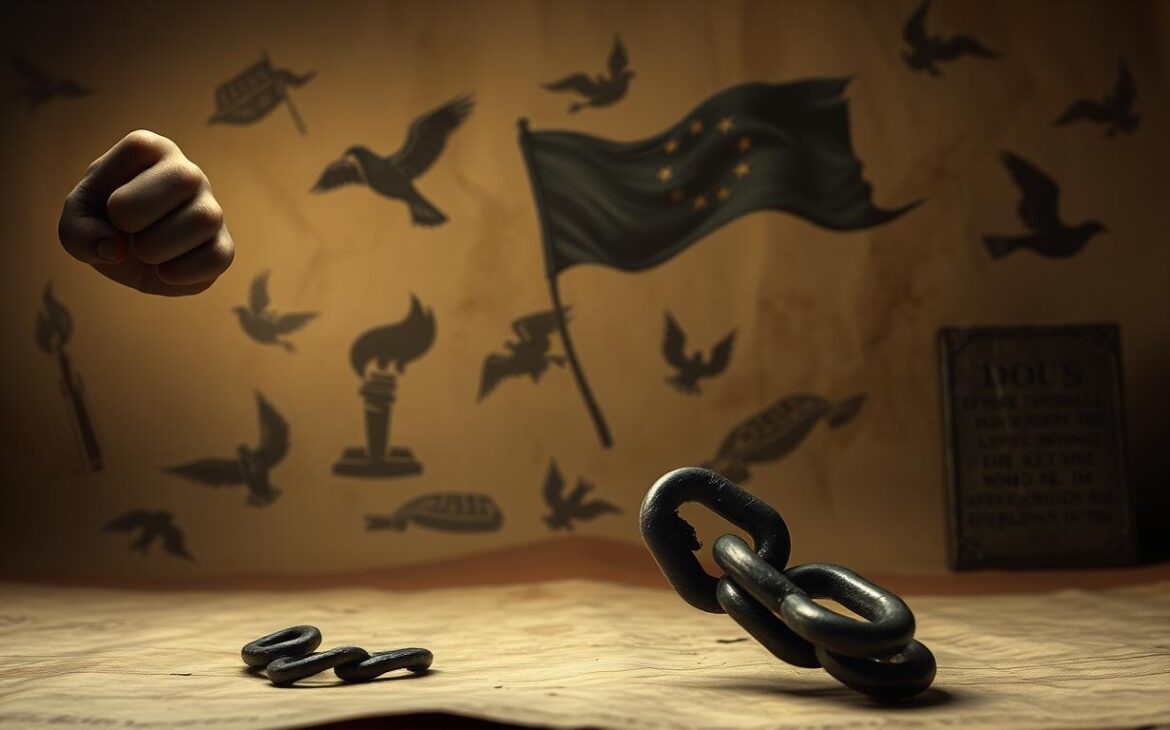
Documents like the Declaration of Independence and speeches by Martin Luther King Jr. show ideas can last through time. These moments create the legacy of dissent, teaching us rebellion is a long-term effort. Even small acts, like Rosa Parks’ refusal to give up her seat, can start big changes.
“The arc of the moral universe is long, but it bends toward justice.” — Martin Luther King Jr.
Looking at history, we see rebellion starts when people refuse to accept unfair systems. Their fights become part of our cultural memory, reminding us dissent is a right and a duty. Rebels of history teach us: every voice adds to the story of freedom.
The Journey of Finding My Voice
Every personal journey starts with small steps. It’s the quiet moments that reveal who we’re meant to be. For many, finding their voice is like unlocking a door. But what happens when that door opens?
Self-discovery isn’t a straight path. It’s a winding road filled with doubts and triumphs. These teach us resilience.
“Your voice is your most powerful tool. Use it before fear silences it.”
Stories of voice empowerment often start in shadows. Think of Maya Angelou, who turned trauma into poetry. Or Malala Yousafzai, whose defiance changed global conversations.
These paths show how vulnerability fuels authenticity. Sharing our truths is an act of courage. Small acts, like writing or speaking up, build confidence over time.
Research shows that voice empowerment is linked to mental growth. When we claim our stories, we rewrite the ones others gave us. This isn’t selfish—it’s necessary.
Every voice adds color to the world’s mosaic. The journey isn’t about perfection. It’s about showing up, even when it’s hard.
The Intersection of Identity and Rebellion
Identity shapes how we rebel. When our self-identity matches values outside the norm, we must rebel. It’s about saying, “This is who I am, and I won’t hide.”
Icons like Lorde used their self-identity to fight against oppression. Their stories show rebellion is more than action. It’s about being true to who we are.
When someone stands up for their gender, culture, or beliefs, that’s rebellion. It starts with questioning, “Why must I conform?”
Personal rebellion often starts with small acts. A student wearing a hijab despite backlash. A writer sharing their queer story. These choices show the power of self-identity to challenge systems.
Rebellion here is about freedom. When you reject roles that erase your truth, you honor your self-identity. It’s not chaos—it’s clarity. As poet Maya Angelou said, “You can’t outnumber the truth.” Every act of defiance, big or small, echoes that truth. Your identity isn’t a cage; it’s a compass guiding your rebellion.
Community and the Rebellious Voice
Rebellion isn’t just for one person—it grows when many voices join. Community empowerment turns quiet whispers into loud movements. When people share their stories and stand together, their collective voice gets stronger. This challenges the status quo in ways one person can’t.
Think of protests, online campaigns, or local groups fighting for change. These places let dissent grow into action. It’s where rebellion finds its power.
This quote shows how shared goals drive progress. Movements like #MeToo or climate strikes prove social rebellion gets stronger with more people. Communities offer safety, resources, and support, helping rebels stay strong.
Platforms like Goodreads show how shared stories inspire others to join. This proves unity makes a bigger impact.
Being part of a group doesn’t make you less unique—it makes you richer. Every member brings their own view, making the collective voice diverse and powerful. Whether online or in person, communities turn personal courage into lasting change. Your voice is stronger when it’s part of a chorus demanding justice, equality, or innovation.
Look for or create places where your voice is heard. Attend local meetings, follow grassroots campaigns, or just listen to others. Together, we can turn rebellion from a small spark into a big fire.
The Emotional Aspects of Rebellion
Emotional rebellion is more than just a gesture. It’s a mix of feelings like fear, hope, and loneliness. Heartfelt expression often begins in quiet times of introspection. It’s when we question what truly matters.
“The bravest part of rebellion isn’t the action—it’s the moment you admit you’re scared,” shared comedian Zach Galifianakis in a 2022 interview. His words highlight how vulnerability fuels authenticity.
Artists like Billie Eilish turn their pain into powerful songs. Their lyrics mix raw emotion with defiance. This shows that rebellion is very personal. When we face societal norms, we also face our fears.
This introspection shapes how we express dissent. We might protest or write poetry. Emotional rebellion asks us to face our discomfort. It’s okay to cry while demanding change or to feel joy in solidarity.
These feelings make our heartfelt expression more relatable. Letting go of perfection makes rebellion more impactful.
Art as a Form of Rebellion
Art rebellion turns quiet into loud statements. A spray-painted wall, a protest mural, or a poem can shake things up. Banksy’s street art, like his Girl with Balloon, challenges power structures. Art doesn’t just decorate—it sparks change.
Diego Rivera’s political murals and the Guerrilla Girls’ posters have long challenged norms. These artists turn galleries and streets into places for ideas. Today, digital art platforms let anyone share their voice worldwide. A TikTok video, a viral meme, or a hashtag becomes a modern canvas for dissent.
“Art is the lie that enables us to realize the truth.”
Subversive art needs courage. Frida Kahlo’s portraits faced pain and identity, while Ai Weiwei’s installations criticized censorship. Even a protest sign scribbled with demands is art rebellion in action. It’s about refusing to stay silent.
Create boldly. Whether through a charcoal sketch or a social media post, your art can join movements that redefine what’s possible. Art rebellion isn’t just in galleries—it’s everywhere a voice chooses to rise up.
Digital Platforms and Voices of Rebellion
Social media has changed how we express dissent today. Instagram posts and TikTok videos fuel movements for change. Digital rebellion is more than just hashtags; it’s a way for marginalized groups to speak up.
Users share their stories, challenge norms, and connect worldwide. They turn screens into stages for activism.
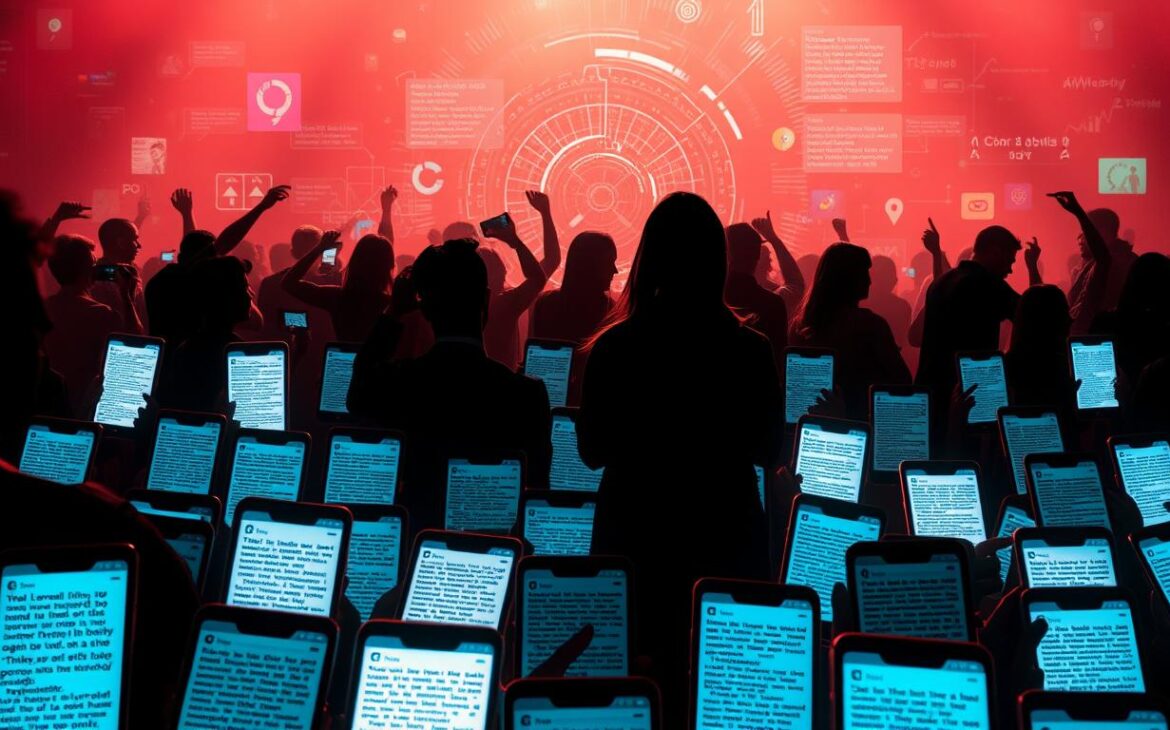
“A tweet can spark a revolution. The internet lets us speak when systems silence us.”
Platforms like Twitter and TikTok give a voice to those who were once ignored. Climate activists, artists, and organizers use these tools to mobilize. Online campaigns like #MeToo or #FridaysForFuture show that digital rebellion is active.
Algorithms and viral trends spread messages quickly. This is faster than protests alone could.
But there are challenges. Algorithms can hide voices, and false information spreads fast. Despite this, social media’s power lies in its reach. It lets people shape stories, hold power accountable, and redefine rebellion.
The next era of change will be built online, bit by bit.
Personal Reflections on Rebellion
What does rebellion mean to you? It often begins with personal reflections that uncover hidden truths. Through introspection, we see how small acts of defiance shape our identity. Think of memoirs like Maya Angelou’s or Malala Yousafzai’s—rebellious memoirs that turned personal struggles into stories for all.
“Rebellion begins when we stop pretending to fit and start questioning why the mold exists.”
Sharing introspection lets others see rebellion isn’t just about shouting. It’s also about listening to your inner voice. Writers like James Baldwin used their personal reflections to challenge societal norms. Your story is important, even if it’s just a quiet decision to stand firm.
Writing in a journal or talking with friends can clarify vague feelings. These moments of self-discovery are the start of any meaningful change. Rebellions, big or small, begin in the quiet space between thought and action.
Future of Rebellious Voices
Technology and global connections are changing how we demand change. The future rebellion will use digital tools like AI and virtual reality. These tools will help ideas spread faster than ever.
Young activists today use platforms like TikTok to start movements. They show that progressive change can start with just one post.
“The next generation’s power lies in their ability to reimagine dissent,” said digital rights advocate Emma Torres at a 2023 UN forum. “Their evolving voices challenge old systems, pushing for inclusivity in tech and policy.”
Schools now teach activism as part of civic education. Students learn to use data and social media for advocacy. This ensures progressive change is a skill passed down through generations.
Platforms like Discord and Instagram help marginalized groups organize globally. AI tools amplify messages, making rebellion more accessible. As these voices grow bolder, they redefine what resistance looks like.
Future movements will focus on collaboration over conflict. Activists and tech creators will work together to build tools that protect dissenters. The path ahead is about designing new solutions where everyone’s voice is heard.
Creating Safe Spaces for Rebellion
Rebellious ideas start small. They need safe spaces to grow. In these supportive environments, people can share without fear.
These rebel communities thrive when they’re met with openness. Whether in person or online, their voices are heard without judgment.
“A place to fail, rethink, and retry is what rebellion needs most.” — Grassroots activist networks worldwide
School clubs, online forums, and local meetups can be launchpads. They turn doubt into dialogue. In Chicago, youth groups host workshops where teens debate societal norms without backlash.
Online, platforms like Medium’s “Rebel Voices” section highlight stories anonymously. These spaces show that safety and dissent can go hand in hand.
Building these spaces requires listening. Leaders inrebel communities say clear rules are key. Respect disagreements, protect privacy, and prioritize trust.
Even small steps, like hosting open-mic nights or online chat groups, can spark change. When people feel heard, rebellion becomes a shared journey, not a lonely fight.
The goal isn’t just to tolerate dissent—it’s to nurture it. Safe spaces letrebel communities grow before their ideas bloom publicly. Without them, courage fades. With them, change begins.
Celebrating Rebellious Voices
Every rebellion, big or small, changes our world. From marches to social media posts, celebrating rebellion honors those who challenge the norm. It’s not just about disagreement; it’s about letting diverse voices shine.
Stories like Malala Yousafzai’s fight for education or the Civil Rights Movement’s calls for equality are empowering stories. They show us that change comes from courage. Through art, activism, or everyday choices, every voice contributes to progress. Today, digital platforms help marginalized groups share their messages, showing rebellion is a universal language.
To keep this spirit alive, we must listen, learn, and support others. Follow movements like Black Lives Matter or climate strikes to see celebrating rebellion in action. Share stories from underrepresented creators on platforms like Instagram or TikTok. Rebellion is not just history; it’s alive in every person’s right to be heard.
History’s most impactful rebellions succeeded because ordinary people became extraordinary advocates. Your voice is important. Whether you write a poem, join a protest, or stand up for fairness, you’re part of a legacy. Let’s keep this conversation going—because a world that hears all diverse voices is closer to justice.