




























Creativity isn’t just for painting or writing. It’s a creative lifestyle that changes how we see each day. It helps us find new ways to solve problems or try new recipes.
Starting this journey is simple. Find what excites you. Let curiosity lead, like rearranging a room or trying out new music. These small steps build a strong foundation for creativity every day.
A creative lifestyle grows when we take action. Seeing beauty in daily tasks or finding new solutions at work makes life exciting. It’s about living with an open mind, not waiting for inspiration.
Understanding Creativity and Its Importance
Creativity changes how we tackle life’s hurdles. It’s not just about art or music—it’s creative thinking that sparks new ideas. This thinking helps us find fresh ways to solve problems, in work, relationships, or everyday life.
Studies show that supportive environments boost creative thinking. For example, teachers who foster curiosity help students improve their problem-solving skills. This approach isn’t just for school—it’s a skill for everyone.
“Every child is born an artist. The problem is to remain an artist as we grow.” —Pablo Picasso
Creative thinking helps us grow personally. It lets us rethink our habits and adjust to new situations. When we face challenges, creative minds ask, “What if?” instead of giving up. This way, we turn everyday moments into chances to learn and discover.
Science supports this too. Brain studies show that creative activities make new connections in our brains. This improves our focus and ability to bounce back. Whether we’re cooking, coding, or planning our day, creativity helps us see possibilities others might overlook.
Everyday Examples of Creative Living
Creativity is all around us. A child chasing rainbows or making swords from sticks is showing artistic expression. These moments are real curiosity turned into play.

Grown-ups can find this creativity too. Rearranging a room or writing a colorful grocery list counts. Even singing off-key while cooking is creative.
A gardener shaping plants or a barista making latte art every day shows artistic expression. Creativity is not rare; it’s seeing possibilities.
“The artist is the person who invents the future.” — Robert Quillopin
Imagine a baker trying new cookie flavors or a commuter drawing clouds. These acts mix routine with creativity. Even organizing with patterned jars or making quilts from old clothes turns chores into art.
Embracing these small moments builds a creative habit. It shows beauty is in simplicity.
Benefits of Embracing Creativity
Daily creativity makes us feel better by reducing stress and improving focus. Activities like journaling or sketching help us clear our minds. A 2023 study in Psychology Today showed that creative hobbies can lower anxiety by up to 30%.
At work, creativity leads to new ideas. Teams that think outside the box solve problems quicker. For example, a hospital used art in care plans and saw a 40% drop in patient anxiety. Creative approaches make work more meaningful and build trust.
Even small creative habits can bring happiness. A teacher who used stories in lessons saw a 60% increase in student engagement. Daily creativity is about exploring and enjoying life’s little moments. Whether it’s cooking, gardening, or rearranging your space, these activities make us stronger and more fulfilled.
Creativity in Different Fields
Creativity isn’t just for painting or music. It sparks innovation in creativity in every field. Tech companies like Apple mix design and engineering to make gadgets easy to use. Doctors use creative thinking to find new treatments.
Farmers also get creative, designing ways to farm that are good for the planet. This shows how innovation in creativity changes things in unexpected ways.

Nike is a great example. Their designers combine art and science to make shoes that look good and work well. Architects like Zaha Hadid change how buildings look, making them beautiful and functional.
These examples show how innovation in creativity breaks new ground in many areas.
“The best way to predict the future is to invent it.”
Teachers use creative methods to teach students. Chefs make new dishes with local ingredients. Even coders solve problems that seemed impossible.
Creativity is a skill we can all learn. It helps us solve problems, whether fixing a leaky faucet or writing music. Every field benefits from new ideas.
Companies like 3M let employees explore new ideas, leading to big discoveries like Post-it Notes. This shows creativity drives progress in all areas. By embracing it, we can find new ways to solve problems.
Fostering Creativity in Kids and Adults
Every child is an artist. The problem is staying an artist when he grows up. – Picasso
Children naturally embrace creativity through play and imagination. But many adults lose this spark as they get older. To keep creativity alive, protect that curiosity in everyone.
For kids, activities like drawing and building with blocks are key. Let them ask questions freely. This boosts their confidence in sharing their ideas.
Adults can rediscover embracing creativity by trying new hobbies. Writing, cooking, or rearranging spaces are great ways to start. Joining workshops or online courses can teach new skills.
Don’t be afraid to fail. Mistakes help us grow. Companies like Google show that creativity can make work better.
Bring together kids and adults to spark new ideas. Kids’ fresh ideas mixed with adult experience lead to great solutions. Simple acts like journaling or brainstorming keep creativity alive. Creativity is for everyone, not just artists.
Overcoming Creative Blocks
Creative blocks feel like walls blocking your ideas. Self-doubt or fear of judgment can freeze even the most passionate minds. But these barriers aren’t permanent. Small shifts in routine and mindset can reignite inspiration.
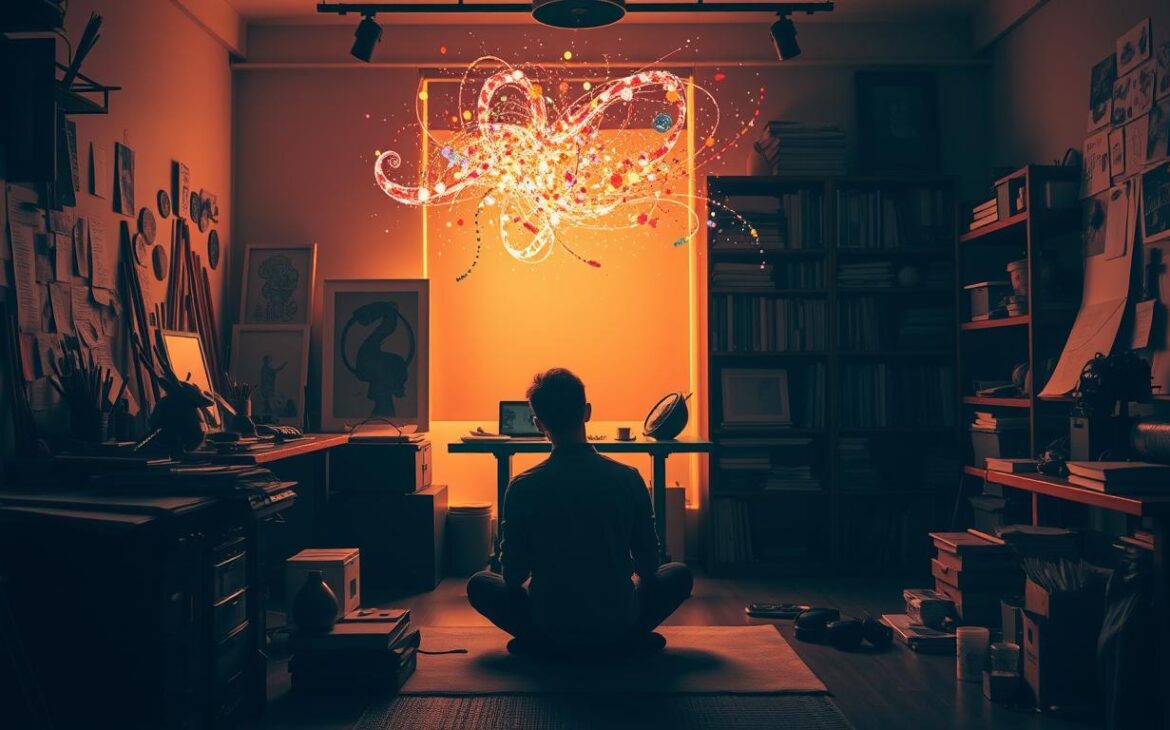
Start by embracing imperfection. Many fear their first drafts won’t measure up. Yet, creative habits begin with action, not perfection. Set a timer for 10 minutes daily to sketch, write, or brainstorm. Consistency matters more than grand results.
“The spotlight effect” tricks us into believing others judge our work harshly. Most people notice our ideas far less than we fear.
Experiment with new tools or environments. A walk in nature or a change in workspace can reset perspective. Share progress with a trusted friend—collaboration often sparks fresh angles. Celebrate tiny wins to build momentum.
When stuck, revisit past projects. Reviewing old work reminds you of your capacity to grow. Turn off notifications and dedicate uninterrupted time. Overthinking fades when you prioritize action over analysis.
Remember: creative habits are skills, not innate gifts. With patience and persistence, you can transform hesitation into steady progress. Every creator faces blocks—they’re part of the journey, not the end.
The Impact of a Creative Mindset
A creative mindset changes how we see life’s challenges. It turns obstacles into puzzles to solve. This way of thinking leads to new ideas, whether in a startup or a classroom.
“Innovation distinguishes between a leader and a follower.”
People with a creative mindset often feel happier at work. Teams that think creatively work better together. They make even simple tasks better.
Studies show this mindset lowers stress. It makes us focus on solving problems, not just seeing them. Even simple choices, like planning meals or managing time, become more enjoyable with a creative approach.
Being creative makes us more resilient. When we face setbacks, we ask, “What can I learn?” This builds confidence and helps us adapt. Companies like Google and IDEO grow by valuing this mindset.
Having a creative mindset isn’t just for artists. It’s about seeing new possibilities. It’s the quiet power behind personal growth and progress. Every choice to think differently adds up to a life full of opportunities.
Community and Creativity
Creative problem solving gets stronger when people come together. When we share ideas and work as a team, we can solve problems that one person can’t. Nurses and doctors in hospitals are a great example. They use their skills together to find new ways to help patients.

Local projects, like cleanups or school partnerships, also rely on creative thinking. When neighbors work together, they can make parks that are cleaner or safer streets. These projects show how different ideas can lead to progress.
Being part of creative workshops or online forums connects people with similar goals. By sharing stories and techniques, we inspire each other to tackle bigger challenges. This way, we build solutions that show both individual talent and collective wisdom. This teamwork makes creativity a powerful tool for lasting change.
Creativity and Authenticity
Authenticity is more than just a trend—it’s the base of real creativity. Many try to follow the latest trends or what society expects. But true creativity blooms when you let your unique voice be heard.
Being true to yourself unlocks deeper creativity benefits. When you stop comparing yourself to others, your ideas start flowing freely. This builds your confidence and resilience.
Authentic creative work stands out because it’s real. It reflects your true experiences and feelings, not fake formulas.
Think of creativity as a mirror. It shows your values and passions when you let them lead. Over time, this honesty strengthens your bond with your craft. Celebrate small steps like journaling or trying new hobbies that show your true self.
Authenticity isn’t about being perfect. It’s about being yourself. When you create freely, without fear of judgment, your work truly reflects who you are. That’s when creativity benefits reach their peak.
Making Creativity a Daily Habit
Starting to build creativity into your daily life is easy. Just set aside 10 minutes each day for something creative. It could be sketching, writing, or brainstorming. Even doodling during a coffee break helps keep your imagination sharp.
Tools like journaling apps or sketchbooks are great for jotting down ideas anytime. They make it simple to capture inspiration on the go.
Time management is key. Schedule short creative sessions into your day, like morning pages or evening reflections. Use reminders to keep yourself on track. Remember, it’s about making progress, not achieving perfection.
Every attempt at creativity strengthens your brain’s ability to innovate. Even mistakes can teach you something new.
Make curiosity a part of your daily routine. Try new things, like rearranging your furniture or cooking a new recipe. Exploring new places can also spark creativity. Pair creative activities with daily habits, like singing in the shower or making up a song while you’re out.
Begin today. Keep a notebook next to your bed, set a phone alarm for a quick writing session, or sketch the clouds while waiting in line. Every small step adds up to a lifelong habit of creativity. It’s the daily choices that make creativity unstoppable.