




























Self-expression is more than just sharing thoughts. It takes courage, like Peter and John in Acts 4. They spoke boldly, despite their fear. When you share your truth, you face vulnerability, but that’s where real strength begins.
Choosing to be seen takes courage. Every time you voice your ideas, you risk judgment. Yet, history’s most impactful voices, from biblical figures to modern leaders, show that vulnerability can ignite change. Your voice matters, and sharing it starts with courage.
Understanding the Concept of Self-Expression
Self-expression begins with being true to yourself. It’s about sharing your thoughts and feelings openly. Imagine speaking your truth, so others hear your real voice. This mix of honesty and effective communication connects your inner self to the world.
“Let your ‘Yes’ be ‘Yes,’ and your ‘No’ be ‘No.’”
Biblical figures like Moses or Esther showed courage in self-expression. They spoke boldly, guided by their true selves. Today, this means using everyday words to share real emotions. When you speak your truth, you build trust. Authenticity isn’t about being perfect—it’s about being clear.
Effective communication grows when you embrace honesty. Think of artists or activists using their voice to inspire change. Their stories show how self-expression can change lives. It’s not just about speaking—it’s about living with purpose. By being true, you turn everyday moments into chances for growth and connection.
The Connection Between Courage and Self-Expression
Courage makes self-expression a powerful act. It’s the quiet strength to share ideas, even if they upset others. The Bible’s Acts 4:13 shows Peter and John preaching boldly, despite threats. They showed that boldness comes from conviction, not safety.
“Now when they saw the boldness of Peter and John… they took note that these had been with Jesus.” (Acts 4:13, NIV)
History’s changemakers, from activists to artists, show boldness drives progress. Malala Yousafzai’s fight for education under threat is a great example. She shows how courage turns vulnerability into strength.
Sharing truths when society wants silence takes courage. This mix of vulnerability and determination sparks meaningful expression.
Every act of courage starts with facing fear. Vulnerability isn’t weakness; it’s the base of real communication. When we share our true selves, we face both risks and rewards.
This balance gives self-expression its strength. Without courage, boldness turns to silence.
The Role of Vulnerability in Expression
Sharing your true self often starts with embracing vulnerability. This openness isn’t a weakness—it’s the foundation of authenticity. When you let go of hiding imperfections, you open up for deeper connections.
Centuries ago, figures like Peter and John faced fear yet chose to speak boldly. They trusted their message despite risks. Their stories remind us that courage grows when we step into vulnerability.
“But Peter, filled with the Holy Spirit, said to them…” (Acts 4:8, NIV)
Modern research echoes this truth. Brené Brown’s work shows how vulnerability fosters empathy. By revealing struggles, you invite others to respond with honesty.
This exchange builds trust and strengthens relationships. Authenticity thrives in this openness, turning fear into a bridge between people.
Courage isn’t the absence of fear but the choice to express despite it. When you admit mistakes or share hopes, you model bravery. Vulnerability becomes a tool to inspire others, proving that strength lies in being real.
Small steps—like admitting a mistake or sharing a dream—can spark transformation. True self-expression isn’t polished perfection. It’s the courage to let your voice shine, even when it trembles.
In doing so, you create a ripple effect of honesty that resonates far beyond yourself.
Cultural Influences on Self-Expression
Culture shapes how we share our thoughts and creativity. From ancient Greek theater to Japanese ikebana flower art, traditions teach us what’s acceptable. Societies like ancient Sparta emphasized discipline, while Renaissance Europe celebrated individuality through art. These norms are felt today.
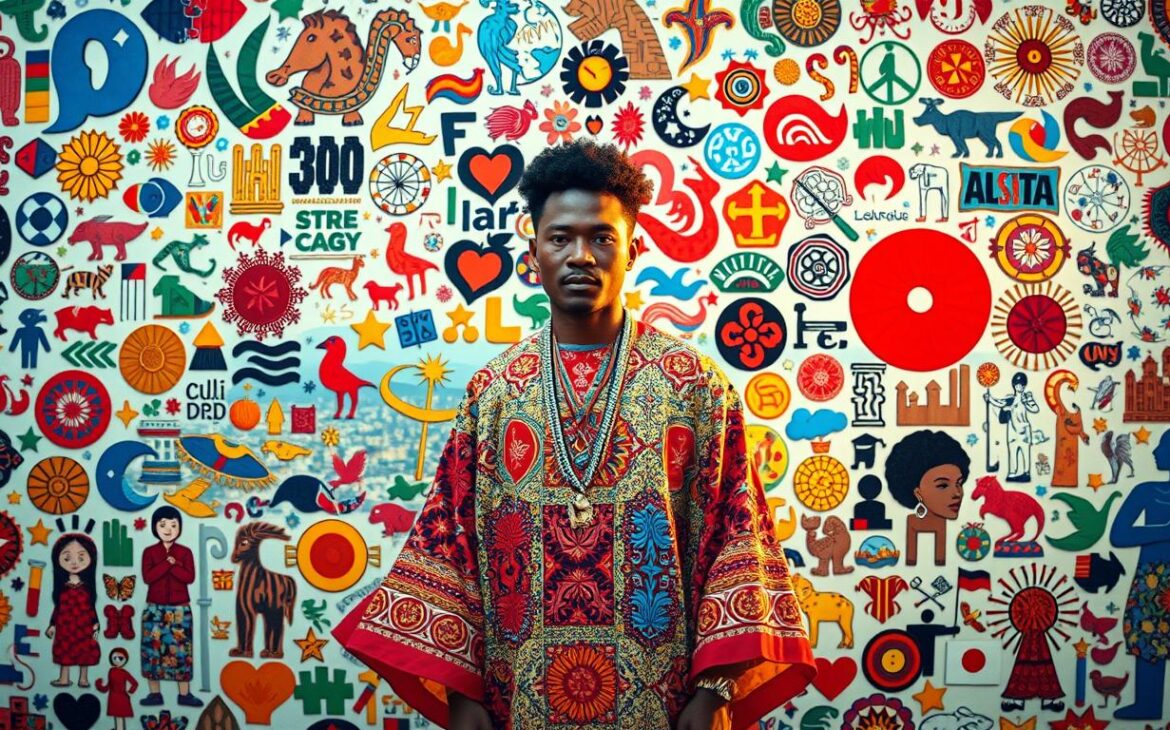
Modern cities like New York or Rio de Janeiro buzz with diversity. Street art in São Paulo or dance in West Africa show how self-expression adapts to cultural roots. Even clothing choices—from sari drapes to Scandinavian minimalism—reflect this balance between heritage and personal voice.
“Culture is the collective programming of the mind,” said anthropologist Edward T. Hall. This means our earliest lessons about modesty, harmony, or boldness define how we express ourselves.
While some cultures limit open emotion, others turn those rules into creative fuel. Mexican Día de los Muertos blends grief and celebration uniquely. Even social media trends, like K-pop’s global spread, mix tradition with modern self-expression. Embrace your background’s legacy, but don’t let it silence your voice.
The Psychological Benefits of Expressing Yourself
Expressing yourself is more than sharing ideas. It’s a key to better mental health. Studies prove it lowers stress and boosts mental clarity. When you share your thoughts, whether through art, writing, or talking, you find emotional balance.
This helps you understand your needs and values. It also strengthens your self-esteem over time.
“Do not conform to the pattern of this world, but be transformed by the renewing of your mind.”
Many find healing in this biblical call to be true to oneself. By embracing self-expression, people often feel lighter. Journaling or creative projects can be like therapy, letting emotions flow.
This openness builds resilience. It turns internal struggles into steps toward growth.
Self-expression connects how you feel with how you show yourself to the world. It’s a way to nurture your mental well-being. Sharing, like through art or speaking up, can improve your mood and outlook.
Over time, this habit becomes a base for emotional health and personal fulfillment.
Tools for Effective Self-Expression
Effective communication starts with the right tools. From painting to public speaking, tools for self-expression help turn inner thoughts into shared stories. Journaling lets you map emotions onto paper. Digital platforms like Instagram or TikTok amplify creative expression through visual storytelling.
Even a simple sketchpad or voice recorder can become your gateway to authenticity.

Technology offers new ways to connect. Apps like Canva simplify graphic design, making creative expression accessible to all. Podcasting tools like Anchor let you share ideas aloud.
Courses on Coursera teach public speaking skills. These resources build bridges between your voice and the world, transforming nervousness into confidence.
Practice is key. Writing workshops, acting classes, or even open-mic nights provide safe spaces to experiment. Every tool—from a paintbrush to a LinkedIn post—helps refine how you present your truth.
Remember: effective communication isn’t about perfection. It’s about showing up, again and again, until your message resonates.
Overcoming Barriers to Self-Expression
Every voice faces overcoming barriers rooted in fear or societal norms. Whether it’s self-expression challenges from doubt or external judgment, courage turns these obstacles into stepping stones. Peter and John, for example, faced pressure to keep quiet but chose boldness instead. Their story shows barriers are meant to be confronted, not accepted.
“Be bold. Be courageous. Do not be afraid.”
Today’s struggles are similar to those of the past. Many fear rejection or being misunderstood when sharing their truth. But, small steps can break down these walls. Start by writing privately—journaling builds confidence. Join groups where being true is valued.
Practice boldness every day. Speak up in meetings. Share your art or writing, even if it’s not perfect. Every effort weakens self-doubt. Remember, barriers like fear or societal expectations shrink with consistent action.
Embrace discomfort as a sign you’re growing. The journey to authentic expression is tough, but it’s always within reach.
The Impact of Technology on Self-Expression
Technology changes how we share our stories. Platforms like Instagram and TikTok turn smartphones into tools for digital self-expression. Artists upload videos, writers blog, and activists use hashtags to spark movements. These tools let anyone reach millions, blending creativity with connection.
“Technology doesn’t just change what we do; it changes who we are.” — Sherry Turkle, MIT Sociologist
Online expression today isn’t just about sharing—it’s about influence. A viral post can spark global conversations or ignite debates. Yet with this power comes new challenges. Privacy concerns and algorithm-driven trends push users to balance authenticity with visibility. Content creators often tweak their voices to fit platform norms, risking losing their unique identity in the process.
Tools like AI and VR offer fresh ways to tell stories. Imagine designing 3D avatars or using AR filters to convey emotions visually. Yet, these innovations also raise questions about depth. Can a tweet capture the nuance of a handwritten letter? The answer lies in how we choose to use technology—not just as a tool but as a canvas for growth.
Fostering a Supportive Environment
A safe place where people feel heard can change lives. Communities that encourage open dialogue help people be their true selves. Studies show that places with strong supportive community ties see more personal growth.
Biblical teachings talk about unity, like Proverbs 27:17, which says “Iron sharpens iron.” Modern studies back this up. A 2022 Harvard study found people in encouraging environments take more creative risks. When others offer encouragement, it boosts confidence to share unique ideas.
“Trustworthy relationships are the foundation of courage,” says psychologist Dr. Jane Smith, founder of Brave Voices Initiative. “When we feel safe, we speak our truth.”
Creating such spaces starts with small steps. Listen without judgment. Celebrate differences. Schools can host open forums, while families can prioritize honest conversations. Even online groups can foster positivity by valuing diverse voices.
Everyone deserves a place where they belong. Start by being kind. Share your story. Together, we build worlds where encouragement fuels self-expression.
Learning from Famous Public Figures
Public figures have shown us how self-expression can change the world. Inspirational figures like Dr. Martin Luther King Jr. and Malala Yousafzai speak truth, even when it’s risky. They remind us that courage is about acting, not being fearless.
“The time is always right to do what is right.” — Dr. Martin Luther King Jr.
Malala Yousafzai, a Nobel Prize winner, fought for girls’ education with her voice. Her story shows how public figures can start global movements with bravery. Frida Kahlo, too, expressed her pain through art, becoming a symbol of authenticity.
These examples guide us. Whether through protests, art, or speeches, they teach us honesty is key. By learning from these inspirational figures, we see how one person’s courage can inspire change. Their stories urge us to speak up, even when it’s hard. Every voice, when shared authentically, can inspire others to do the same.
Conclusion: The Importance of Being Seen
Your journey of self-expression is more than just sharing your story. It’s about claiming a space where your truth is heard and valued. Every time you show courage to be seen, you help create a world where being real is valued.
From ancient tales like David facing Goliath to today’s social media, being visible has always been key. It connects who you are with the change you can make.
Being visible starts with small steps: a letter, a word, or a post online. These moments join a chorus of voices, building a kinder community. When you speak up, you celebrate the bravery it takes to be known, just like biblical heroes did.
Embrace the power of being seen. Your voice is important. Through art, words, or actions, your voice strengthens bonds around you. Let your self-expression show others that their stories are worth sharing too. Together, we can create a world where everyone feels seen.