




























For years, I waited. I let doubt silence me, thinking someone else had to give me permission. But then I realized: my story mattered. It wasn’t about getting permission—it was about owning my story.
When we hide our truths, they become too heavy to carry. The saying goes, “when we deny our stories, they define us.” I stopped letting fear decide what to share. Writing a brave new ending meant speaking up first, then worrying about the rest.
own your story isn’t just a phrase—it’s a choice. It’s about trusting your voice enough to guide your path. Ready to join the journey? Let’s start where we are, exactly as we are.
Understanding the Need for Permission
Many of us think our voices need approval to be heard. Schools, families, and media often teach this. They say we need permission to share our thoughts.
This belief starts early. Teachers grade our essays, parents guide us, and bosses check our ideas. But where does this need for permission really come from?
Society puts pressure on us to wait for approval before speaking. Unspoken family stories and cultural norms can make us silent. These forces make our personal truths whispers.
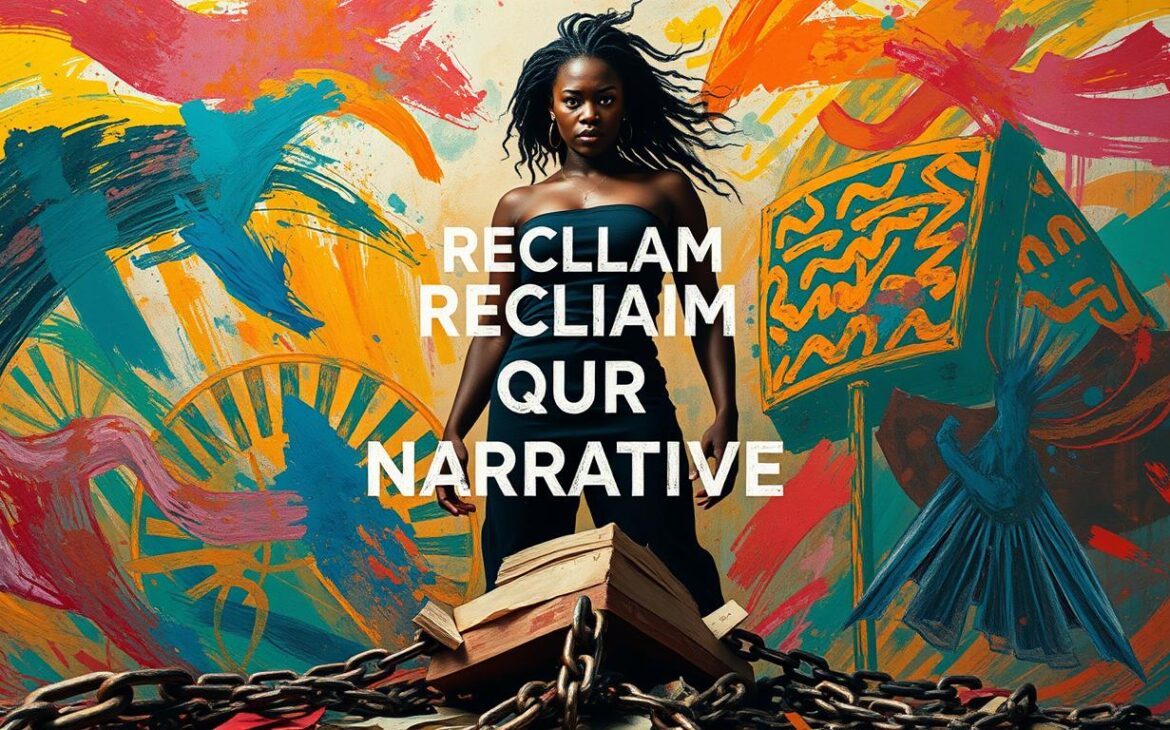
Reclaim your narrative by naming these influences. Ask who told you your voice needed approval. Recognizing these patterns helps us see how they limit our authenticity.
Small steps, like journaling or sharing with friends, can break silence. It’s about choosing what serves our truth. Every time we question if we need permission, we get to rewrite our story.
The Impact of Waiting on My Voice
Imagine a runner at the starting line, hesitating as the race begins without them. That’s what waiting for permission felt like—watching opportunities slip away. Experts compare this silence to athletes sidelined in the Olympics: the longer you delay, the harder it becomes to reclaim your spot. One study highlights how constant hesitation can dull our natural self-expression, turning bold ideas into whispers.
I’ve seen my own voice fade when I waited for others to grant me permission to speak. Opportunities to lead projects or share ideas passed me by, leaving me questioning, “What if?” Silence isn’t just about missing chances—it shrinks our confidence, making it harder to find your voice later. Every day I hesitated, my message grew smaller, like a voice drowned out by louder competitors.
“Delayed expression erodes authenticity,” says a 2023 psychological review. “Voices left unheard become harder to reclaim.”
But this isn’t just about me—it’s a pattern many face. When we wait for permission, we let others decide what matters. Now I see how waiting isn’t neutral; it’s a choice with real costs. The question isn’t just how to speak up—it’s about understanding what we lose when we wait too long to find your voice.
Taking Ownership of My Narrative
Ownership starts when you write your story your way. Your story isn’t written by others; it’s yours to tell. When you speak up, you take back control over how your experiences shape you.
“Owning our stories is standing in our truth.”

Even past mistakes or silence don’t stop you from sharing your voice. Every mistake is a lesson when you own your journey. They become stepping stones, not something to be ashamed of. Speak up to turn regret into strength.
Ownership isn’t about being perfect—it’s about being honest. When you accept your whole history, you’re free to connect truly. This bravery encourages others to do the same. Your voice is important because it’s genuine, not flawless.
Recognizing My Unique Perspective
Your story is a part of something bigger than you. It’s woven into the fabric of human experience. Every challenge, victory, and doubt adds a unique view that no one else has. See your perspective as a gift, not a weakness.
“The world needs your voice because it’s unlike any other.”
Studies show that diverse voices make communities stronger. My own journey showed me that hiding my flaws held me back. But when I shared my struggles, others connected with me. This proved that being real sparks connections.

Don’t waste time comparing yourself to others. Instead, focus on what makes your view special. Ask yourself, “What can I share that only I can say?” Your answer has the power to change things. Small steps, like journaling or speaking up, can help you believe in your unique perspective.
Practical Steps to Find Your Voice
Start small. Write daily in a journal to uncover your thoughts. Ask yourself: What matters most to you? What injustices or passions drive you? This self-discovery builds the foundation of personal empowerment. Every entry is a step toward clarity.
Practice speaking up in low-pressure settings. Share opinions in meetings, comment on social posts, or join local clubs. Each act of expression strengthens your confidence. Consider Toastmasters International, where members refine speaking skills in a supportive environment.
“Vulnerability is the birthplace of innovation.”
Join communities aligned with your goals. Online forums, writing groups, or activism circles offer spaces to test ideas safely. Feedback here fuels growth, not perfection.

Track progress through wins, big or small. Celebrate voicing an opinion, finishing a speech, or starting a blog. These milestones prove your voice has value. Progress, not perfection, drives lasting personal empowerment.
Practice courage daily. Every word you share, every boundary you set, and every idea you defend is a brick in your confidence. Your voice grows louder with each intentional step.
Building a Supportive Community
Building a supportive community is key. When you speak up, having people who listen and support you makes a big difference. These groups make your courage stronger by validating your voice.
“Stories shared in community become stronger than stories told alone.”
Online spaces like Reddit forums or Facebook groups connect people all over the world. Local Meetup groups or nonprofit networks like Toastmasters offer face-to-face support. In these places, you meet others who get your journey.
Start your own group by beginning small. Share your story on social media, join chats, or partner with local libraries. Every voice adds to the whole. Platforms like Goodreads or local writing collectives turn strangers into allies.
A supportive community doesn’t solve everything, but it lifts you up. When you’re surrounded by those who celebrate your voice, your message gets louder. That’s where real change starts.
The Role of Social Media in Speaking Up
Social media isn’t about being the loudest. It’s about sharing what’s important. Sites like YouTube, Twitter, and Facebook let us connect quickly. But, they also put a lot of pressure on us.
Many people try to make their posts go viral. They think they need drama or to be perfect. But, the most powerful voices are the ones that are real.
Many creators find it hard to stay true while trying to be noticed. Posting every day or following trends can make your message get lost. Your voice is stronger when it shows who you are, not what’s popular.
Imagine having a real conversation. When you share stories, opinions, or ideas that feel true, people notice. Followers value honesty more than perfect posts. A simple tweet or Instagram post can be powerful if it’s yours.
Platforms value consistency, but not if it means losing your message. Use social media to build trust, not just followers. When you post from the heart, your voice becomes a bridge, not a show.
Overcoming Self-Doubt
Self-doubt tells us our voice doesn’t count, but empowerment through expression fights back. Many of us are scared to speak up, fearing what others might think. Therapists say self-doubt grows when we overthink our worth. But, taking small steps can change our mindset.
Start by writing down your thoughts every day. Journaling makes your inner thoughts real, helping you face negative thoughts. Ask someone you trust for honest feedback. They might see your strengths that you don’t.
“Vulnerability is the birthplace of innovation.”
Using cognitive-behavioral techniques can change how we think. Say “What if I try?” instead of “I can’t.” Brené Brown’s work shows that being vulnerable is not weak. It’s the start of real connections. Sharing your truth is a way to empowerment through expression, turning doubt into action.
It’s okay to make progress, not to be perfect. Celebrate every time you speak up. It shows your voice is important. Fighting self-doubt means moving forward, not giving up. Your story needs to be heard, and every step towards sharing it makes you stronger.
Continuing the Journey of Expression
Your story doesn’t end here. The path to owning your voice is a journey of growth, not a destination. Every day offers a chance to shape your narrative with clarity and courage.
Narrative control means staying curious about who you are and what you have to say. It’s the small choices—sharing an idea, asking a question, or standing by your truth—that keep your story alive. Like planting seeds, each action grows your confidence over time.
Lean into moments where your voice matters most. Whether in conversations, online posts, or quiet reflections, your perspective adds depth to the world. Stay open to learning, adapt when needed, and celebrate progress, not perfection.
Keep moving forward. The tools you’ve discovered—community, self-compassion, and boldness—are yours to use daily. Your narrative control starts now, one brave step at a time. The next chapter is yours to write.